

Harsh conditions found in deep space may uncover vital insights into slowing aging processes here on Earth. Recent research published in GeroScience demonstrates that exposure to space radiation coupled with microgravity induces molecular shifts akin to accelerated aging. This raises fresh concerns for upcoming Mars expeditions while providing new molecular targets for therapies that could combat age-related ailments. These discoveries imply that biological effects observed in astronauts might ultimately enhance our understanding and treatment of age-related organ decline.
Simulated Space Environments Prompt Accelerated Aging Effects in Liver Tissue
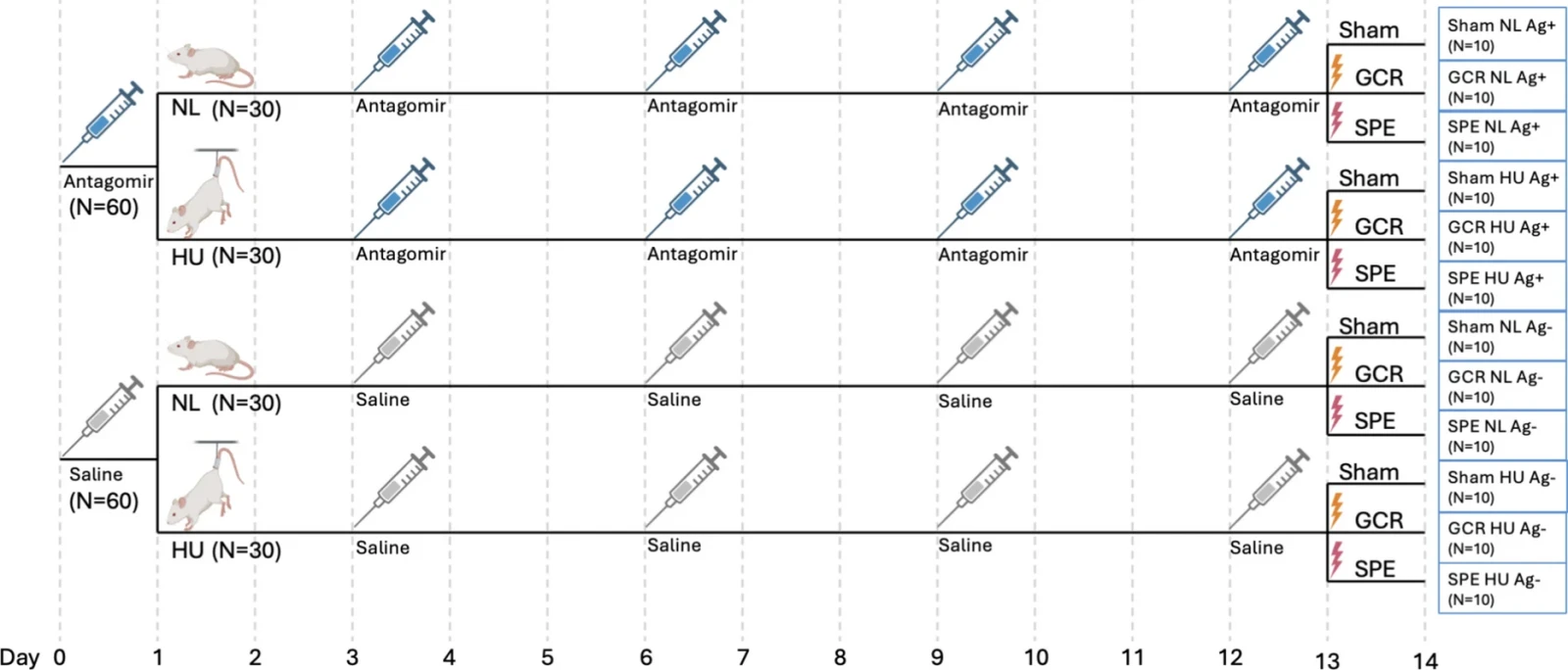
To uncover how extended missions impact physiology, scientists at the University of Central Florida and partners recreated deep space conditions in animal models. The study combined two weeks of simulated microgravity with exposures to galactic cosmic rays and solar particle event radiation at the NASA Space Radiation Laboratory. These radiation levels approximated what astronauts could face on a voyage to Mars.
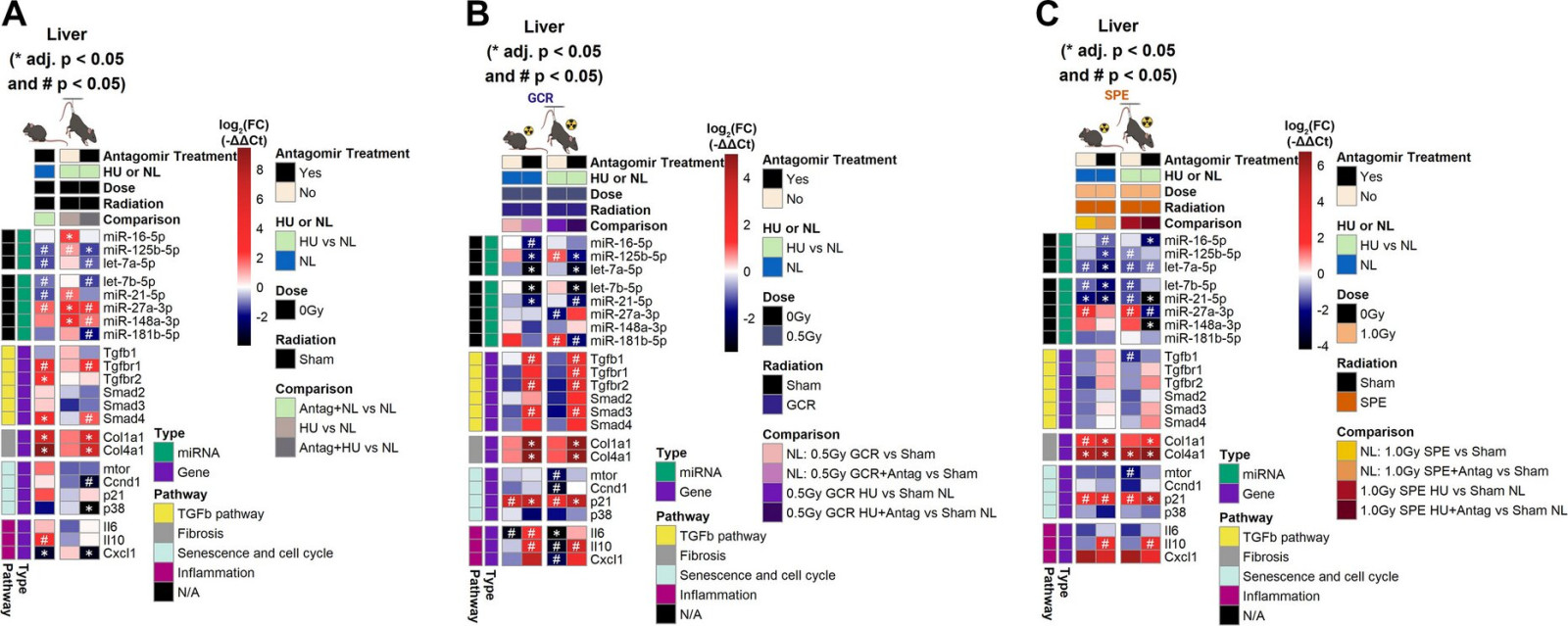
The findings revealed widespread genetic alterations within the liver, a vital metabolic organ. Researchers detected increased cellular senescence, inflammation, and fibrosis—key processes linked to aging and reduced organ performance. If sustained over time, these changes might progressively impair liver function and contribute to broader health issues. Data imply that even short-term exposure to space conditions can activate biological pathways typically associated with advanced age.

“We focused on the liver because it is one of the major metabolic organs in our body,” says Michal Masternak, a professor of medicine and leader of the College of Medicine’s aging and space medicine research efforts. “What we found was that just 24 hours after radiation exposure, there are many genetic changes in the liver that are remarkably similar to what happens during aging. We can assume that if someone were in space much longer, the damage could be much greater.”
Astronaut Genetic Data Supports Laboratory Observations
The laboratory results align with genetic profiles from astronauts in the NASA Twins Study and the Inspiration4 mission. While the animal experiments concentrated on liver tissues and astronaut studies used blood samples, comparable molecular markers were discovered across both datasets. This evidence bolsters the likelihood that the mechanisms identified under simulated conditions also occur in humans during space travel.
The research suggests these shared genetic pathways could serve as therapeutic targets to shield astronauts on extended missions. Published in GeroScience, the study adds to mounting proof that human biological systems respond predictably to the combined stresses of radiation and microgravity, providing pathways for future countermeasures.
“We’ve got this raw data from human studies, and they show that some of these changes are similar,” Masternak says. “That tells us we’re identifying useful molecular targets that one day could help protect astronauts during long-duration space missions.”
MicroRNA-Targeting Molecules Offer Hope for Space-Related Damage
Researchers investigated whether these adverse effects could be reversed using antagomirs—specialized molecules designed to inhibit specific microRNAs, key regulators of gene expression linked to aging, inflammation, and fibrosis. By modulating microRNA activity, antagomirs might alleviate some damaging biological responses caused by the space environment. Although still in early stages, this approach lays groundwork for treatments aimed at maintaining organ health during prolonged space missions. Eventually, such therapies could not only protect astronauts but also provide new strategies against age-related diseases on Earth.
Spaceflight as a Rapid-Aging Model Accelerates Aging Research
One major obstacle in aging studies is the lengthy timespan required to observe tissue degeneration. Spaceflight offers a unique opportunity since radiation and microgravity expedite these aging processes. This allows scientists to study biological mechanisms in compressed timeframes, potentially speeding up breakthroughs that could transform medical treatments far beyond spacefarer health.
“Very often when we study different aging processes, it takes time,” he says. “Even in humans, it’s almost impossible because it would take decades. But if we see some acceleration of aging in space, then we can translate it to human studies. We can observe processes happening much faster, understand them better and eventually use that knowledge to improve the health of people here on Earth.”
Pinpointing Early Molecular Triggers of Human Aging
Modern science views aging as an intricate combination of biological systems gradually losing function. The liver, immune system, and cardiovascular network interact closely, so damage in one area can cascade widely. Identifying initial molecular signals activated in space exposure could allow scientists to intervene before permanent harm occurs. Confirming these patterns in humans may revolutionize treatments for chronic, age-associated conditions, preserving organ health and enhancing life quality for millions.
“Our understanding of aging is very complex,” Masternak says. “Aging isn’t simply wrinkles or cosmetic changes. It’s the gradual and cascading failure of multiple organs and biological systems that happen at the same time. By understanding what starts that process and where it happens, we have a better chance of preventing many diseases before they develop. That is one of the biggest outstanding questions.”
- Categories:
- News







0 comments
Sign in to Comment