

A recent investigation has unveiled striking clues pointing to a comet that detonated in Earth's atmosphere roughly 12,800 years ago. This revelation, published in PLOS One, originates from a detailed examination of sediment cores sourced from Baffin Bay, near Greenland. These underwater sediments contain extraordinary microscopic particles, identifiable exclusively as remnants of a comet or meteor. Spearheaded by geoscientist Christopher Moore at the University of South Carolina, this research lends strong support to the Younger Dryas impact hypothesis—a concept proposing that a cosmic event abruptly triggered a 1,200-year cold period during a warming phase of Earth's climate.
Moore's team presents compelling evidence that this ancient cosmic explosion had widespread consequences, reinforcing a debated theory that suggests extraterrestrial impacts played a critical role in terrestrial climatic changes. Beyond immediate temperature drops, these findings invite fresh perspectives on how cosmic events might have shaped Earth's geological and biospheric evolution. This article explores the research techniques, discoveries, and future avenues for examining the Younger Dryas impact scenario.
Understanding the Younger Dryas Impact Hypothesis
Approximately 12,800 years ago, Earth experienced the Younger Dryas—a sudden climatic reversal from warming to near-glacial temperatures. Scientists have long questioned the cause, considering factors such as shifts in ocean circulation and volcanic eruptions. Yet, a captivating idea is that a comet or meteor impact caused this rapid cooling by detonating in Earth's atmosphere. Though controversial and lacking definitive impact craters, recent studies, including Moore’s, suggest the event’s global reach is plausible. By scrutinizing sediment cores from Baffin Bay, the researchers identified markers—microspherules and metallic dust particles—that strongly imply cometary origins, complementing similar evidence found at multiple terrestrial sites worldwide.

Diving Into Sediment Cores for Ancient Clues
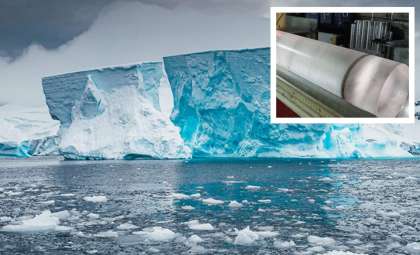
The sediment cores pulled from Baffin Bay were deliberately selected. Moore explains, “We chose marine cores from Baffin Bay to verify if Younger Dryas impact signatures found across terrestrial sites were also present under the ocean.” These samples are particularly valuable as they remain largely free from recent human interference and retain well-preserved layers, as confirmed by their laminated nature, providing a reliable timeline.
The cores serve as natural archives, capturing a precise chronological record of events leading up to and during the Younger Dryas onset. Employing radiocarbon dating alongside cutting-edge particle analyses, Moore's team detected minute metallic spheres deposited when the comet exploded. These data bolster the hypothesis that the Younger Dryas cooling was a global phenomena, not just regional.
Revealing the Cosmic Origins in Sediment Layers
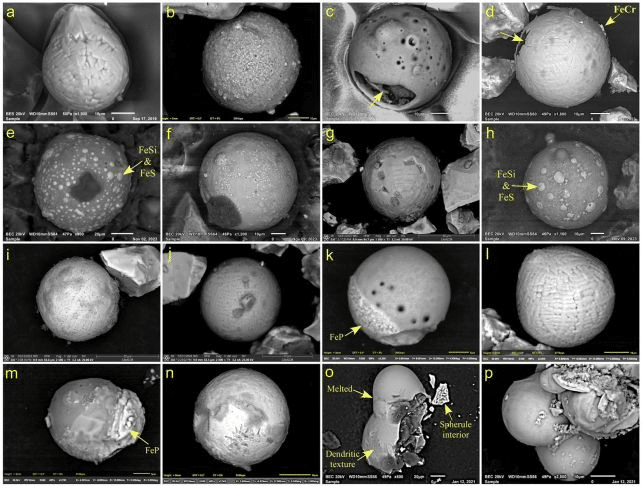
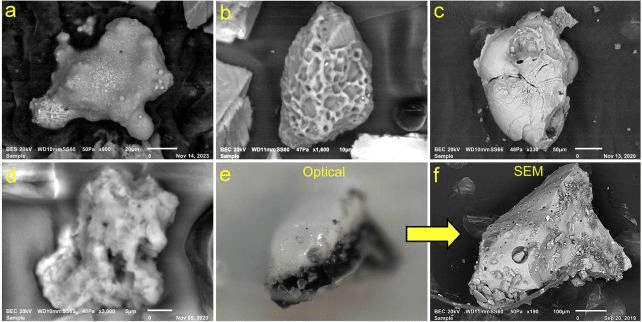
In the course of their examination, the team uncovered distinct evidence indicative of a distant cosmic explosion. Moore notes, “The sediment layer linked to the Younger Dryas in Baffin Bay contains numerous impact signatures: microspherules, malformed metallic dust with chemistry matching comet or meteor material, meltglass, and elevated nanoparticles of key elements like platinum and iridium.” These microspherules form when cosmic particles heat up and melt as they penetrate the atmosphere, confirming the occurrence of a cometary airburst.
The discovery of unusual concentrations of platinum and iridium, elements typically scarce on Earth but prevalent in extraterrestrial bodies, offers further corroboration. This aligns with analogous findings from terrestrial records, strengthening the notion that the Younger Dryas event was a global catastrophe triggered by a comet.
Broader Consequences for Climate Theory
Uncovering comet-related materials in oceanic sediments enhances growing support for the Younger Dryas impact hypothesis. According to Moore, “This evidence corroborates observations from terrestrial sites across continents in both hemispheres, suggesting the Younger Dryas event had a planetary scale.” The findings carry significant weight as they could reshape understanding of ancient climate disruptions.
The implication that a single cosmic event could instigate a major climatic shift challenges conventional explanations of climate change. It highlights Earth's vulnerability to extraterrestrial forces and underlines the importance of studying cosmic threats. Ongoing research fueled by these discoveries might improve predictions of how future cosmic impacts could influence Earth's environment and guide strategies to mitigate their effects.
- Categories:
- News






0 comments
Sign in to Comment