
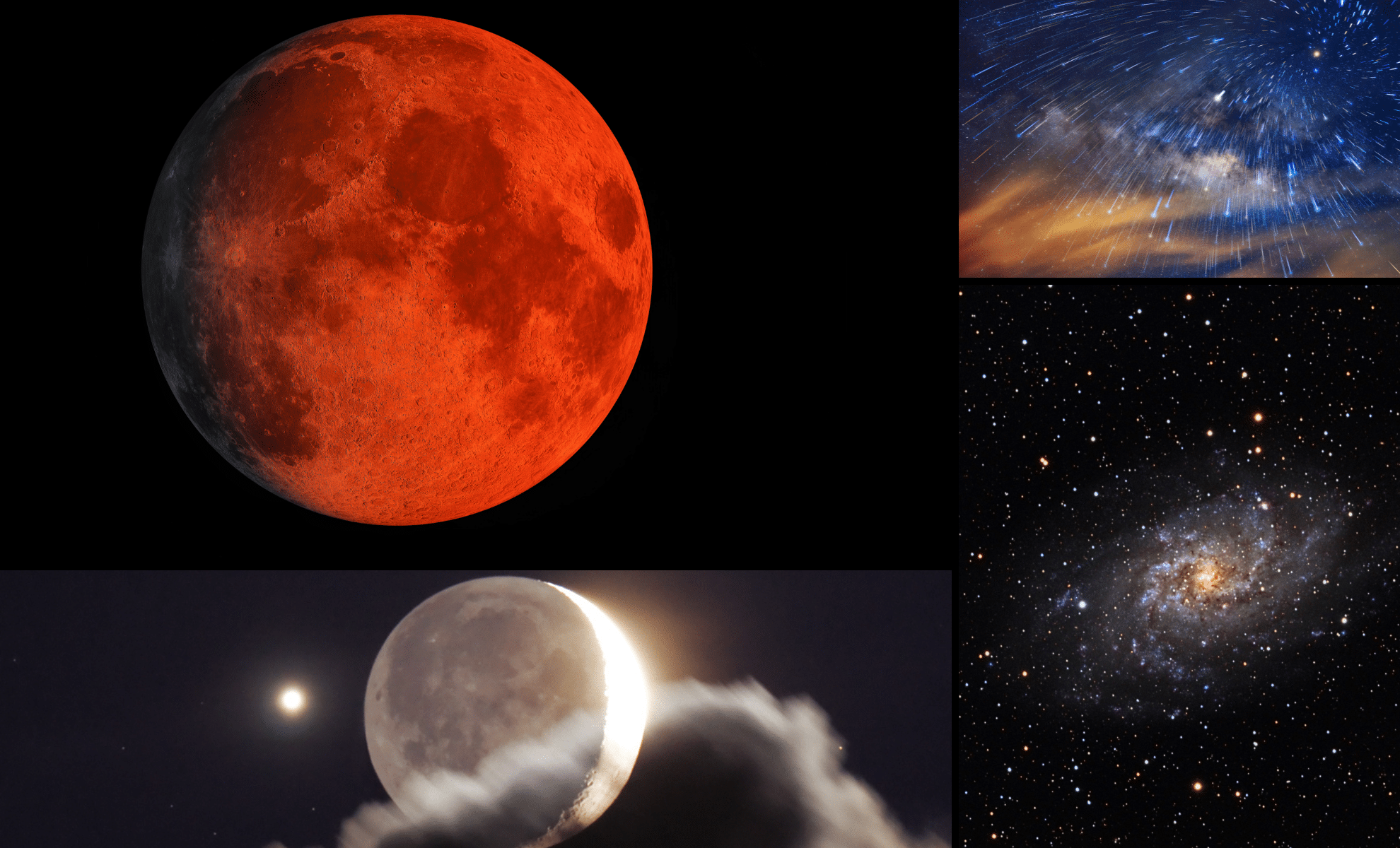
October 2025 offers a captivating array of celestial sights for astronomy fans around the world. From luminous moons to dazzling meteor showers and faraway galaxies, the night sky provides a captivating display suitable for both beginners and experienced stargazers. The National Geographic recently showcased some of the month’s standout astronomical events. Our overview will help guide you to the best sights this autumn evening.
Spotlight on Nearby Galaxies and Dwarf Planets
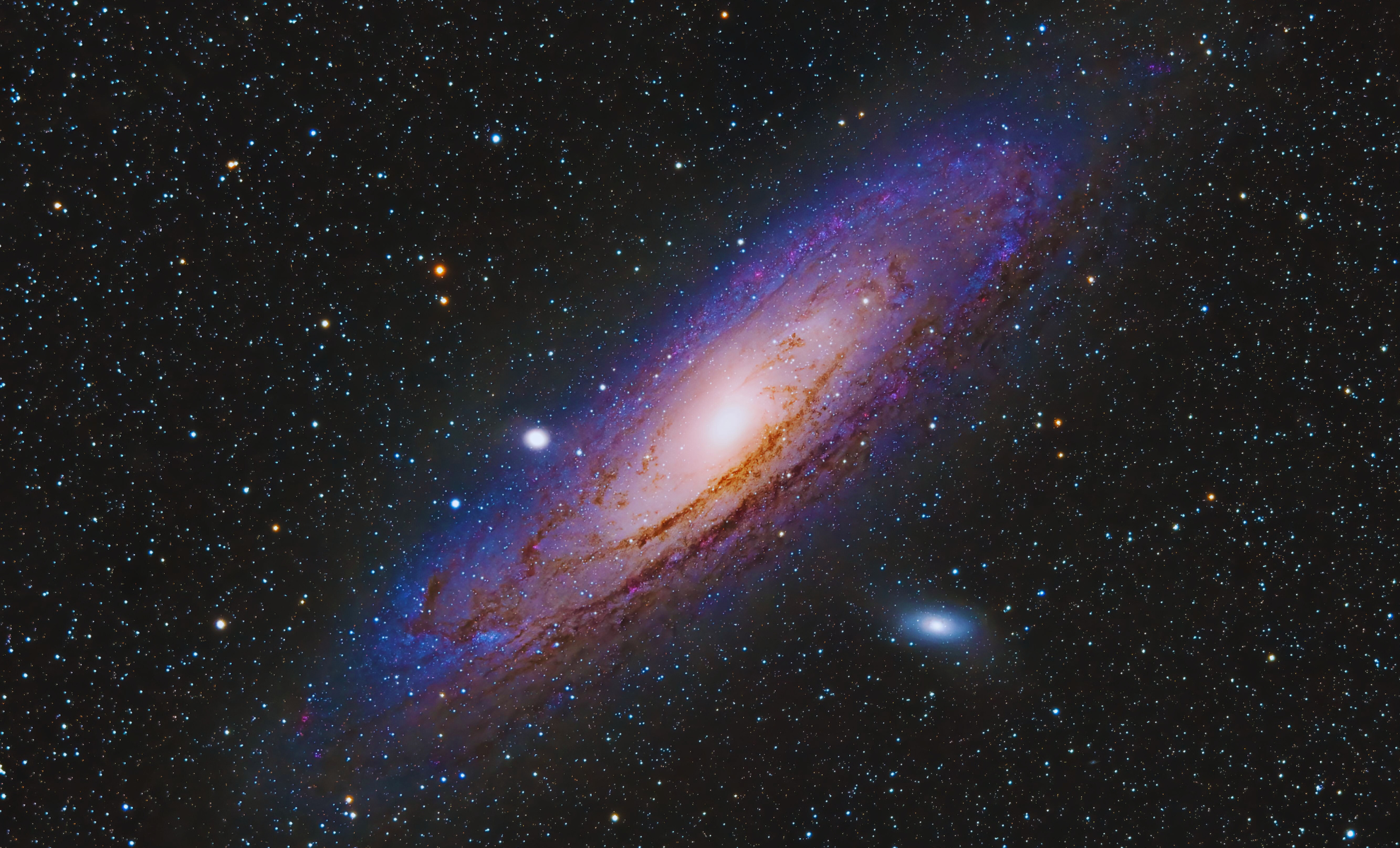
The opening days of October bring exceptional chances to observe close cosmic neighbors. On the evening of October 2, the Andromeda Galaxy (Messier 31) climbs to its peak position in the sky, visible under dark skies to the naked eye, while binoculars or entry-level telescopes can reveal its swirling arms more clearly. That same evening, Ceres, the largest asteroid belt object, shines brightly at its opposition, making it one of the best nights to observe both a distant galaxy and a dwarf world simultaneously – a treat for sky observers.
Close Encounters: The Moon and Saturn
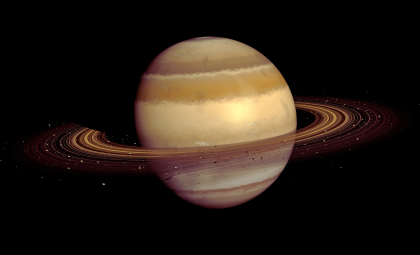
On October 5, stargazers will witness the nearly full moon approaching Saturn to within about 3.33 degrees. During this period, Saturn’s apparent retrograde motion, a result of Earth’s orbit causing it to seem to reverse course temporarily, enhances the planet’s visibility. This slow east-to-west movement reversal lasts until late November, offering a unique opportunity to study and enjoy Saturn’s presence in our sky.

The Spectacular Harvest Supermoon
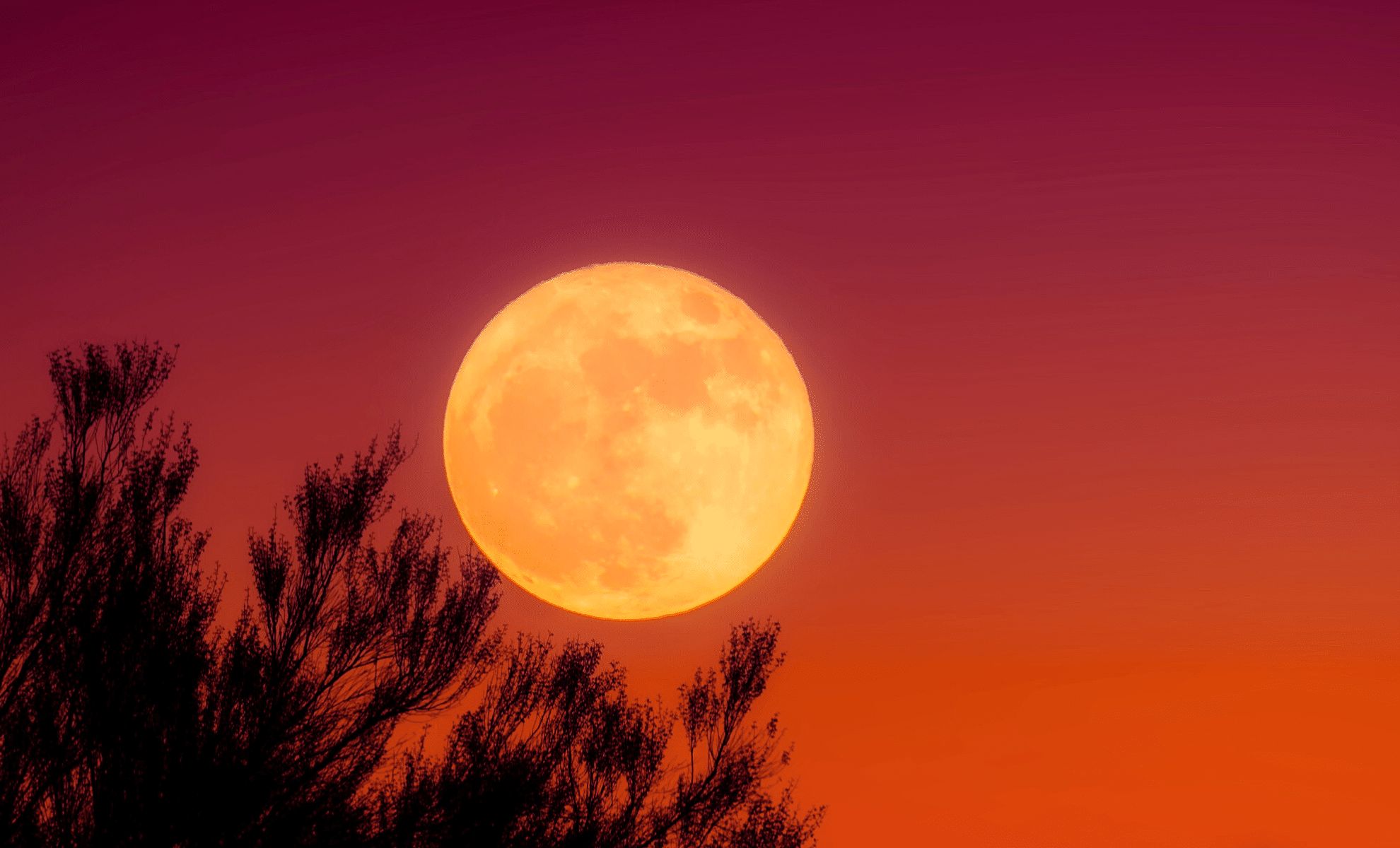
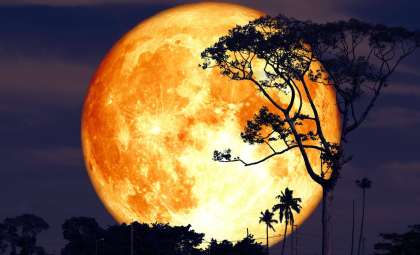
The harvest supermoon occurs on October 6 as the moon reaches perigee, its closest proximity to Earth. At this point, the moon can appear nearly 14% larger and up to 30% more luminous than usual. Its bright glow illuminates nighttime landscapes, providing great opportunities for casual observation and photography alike. Traditionally linked to farming cycles around the autumn equinox, the harvest moon remains a symbol of seasonal change and wonder.
Draconid Meteor Shower Highlights
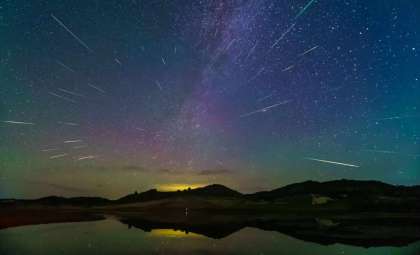
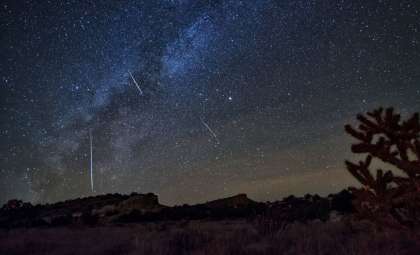
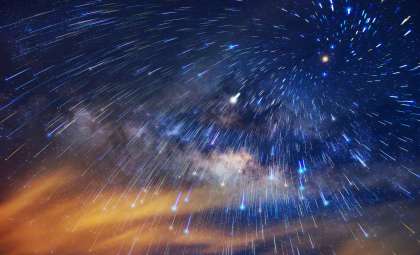
Active from October 6 through 10, the Draconid meteor shower peaks on the 8th when Earth hums through debris left by Comet 21P/Giacobini-Zinner. Although the nearly full moon’s brightness might drown out some of the fainter meteors, the brighter streaks will still be visible streaking through the sky. Meteors seem to emanate from the Draco constellation, providing a spellbinding viewing opportunity under dark and clear conditions. Notably, Draconids occasionally produce bursts of intense meteor activity, adding excitement and unpredictability to this celestial event.
The Moon Nears the Pleiades Cluster
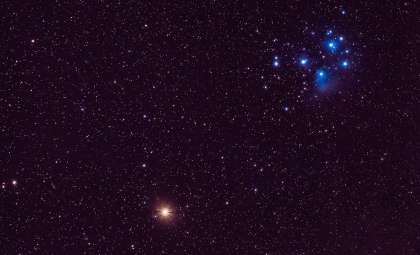
On October 10, the waning gibbous moon passes less than one degree away from the Pleiades star cluster. At 85% illuminated, the moon’s strong light may mask some of the faintest stars, but the cluster’s brightest points remain perceptible. This event highlights the contrast of near and far celestial objects and offers observers a beautiful interplay of the moon and twin stars.
Triangulum Galaxy's Prime Visibility
The Triangulum Galaxy (Messier 33) climbs high on October 15, offering a rare chance to see a galaxy with the unaided eye from dark locations. Its clear, symmetrical spiral arms stand out best through binoculars or telescopes, representing a fascinating component of our cosmic neighborhood. As the third-largest member of our local group after the Milky Way and Andromeda, Triangulum provides a window into the structure of neighboring galaxies.
Morning Sky: Moon and Venus Close Together
Before dawn on October 19, the moon and Venus will appear less than four degrees apart near the eastern horizon. Venus shines brilliantly as the third brightest object in the sky, thanks to sunlight reflecting off its dense cloud cover. This striking conjunction creates a tranquil pre-sunrise spectacle and reminds us of the dynamic orbits shaping our view of the solar system.
Orionid Meteor Shower Shines in Dark Skies
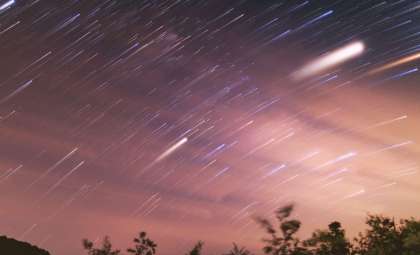
With its peak on October 21 coinciding with the new moon, the Orionid meteor shower offers excellent viewing conditions free from moonlight interference. Originating from debris linked to Halley’s Comet, the Orionids are known for their swift meteors and vivid fireballs, offering spectacular night sky displays for dedicated stargazers.
Mercury at Its Best Evening Appearance
October 29 sees Mercury reach its greatest eastern elongation, making it the prime time to observe this elusive planet just after sunset in the western sky. Since Mercury often remains low and quickly fades from view, having a clear horizon and timely observation plans is key to catching this fleeting glimpse.
- Categories:
- News

0 comments
Sign in to Comment