
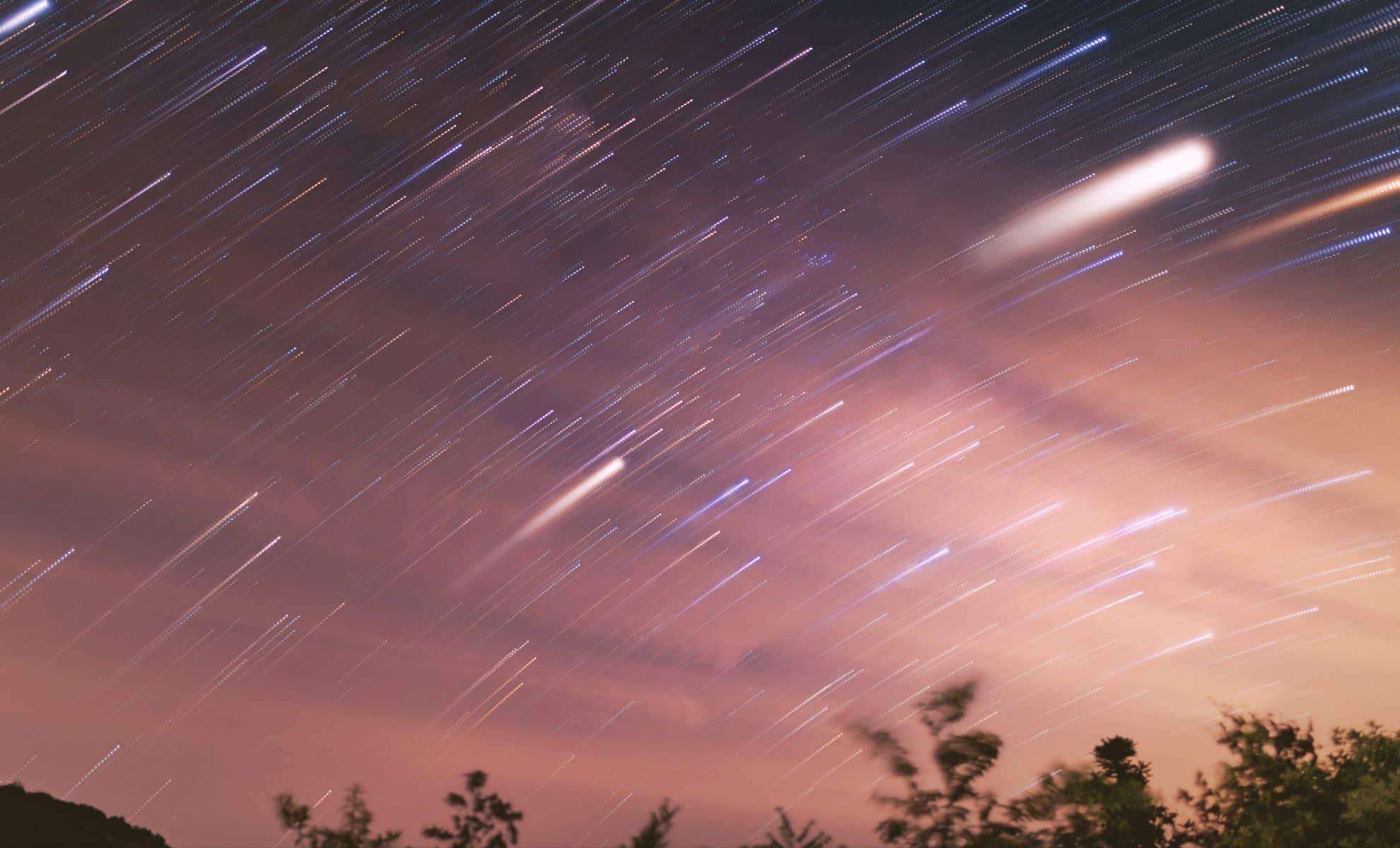
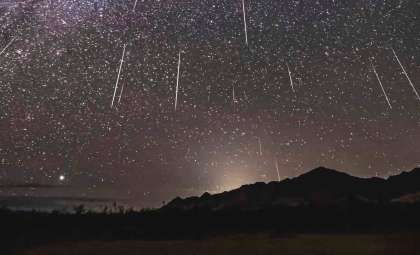
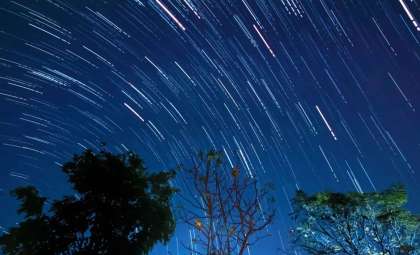
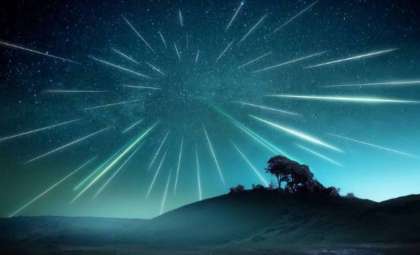
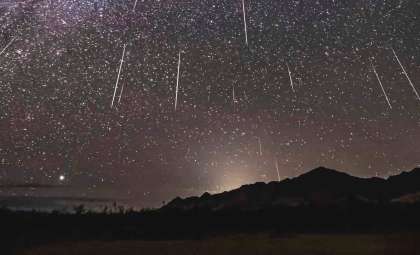
The Arietids meteor shower stands out as the most intense daylight meteor shower annually, reaching its climax just before dawn on June 7, 2025. Unlike typical meteor displays that brighten nighttime skies, this shower occurs primarily under the Sun’s brightness. However, dedicated early-morning observers can catch striking glimpses of these bright, slow-moving meteors streaking low in the eastern sky before sunrise. As noted by EarthSky, the Arietids offer a spectacular event that most people miss due to its timing.
Optimal Viewing Times and Locations
The prime opportunity to witness the Arietids is during the last hour before sunrise. The shower is active from May 29 through June 17. Although mainly a daytime event, this brief pre-dawn twilight grants enough darkness to spot meteors radiating from the Aries constellation low on the eastern horizon.
Finding Aries can be tricky without a dark sky. It lies between the Pleiades star cluster and the Great Square of Pegasus. If locating these stars seems daunting, stargazing apps offering live star charts can ease navigation. Face east at a clear, unobstructed horizon to see the meteors, often called “Earthgrazers”, which appear to move slowly and nearly horizontally during this brief viewing period.

What Causes This Shower’s High Activity?
Though the full burst is seldom seen by the naked eye during the day, radar and radio technology reveal the Arietids as highly productive. As reported by EarthSky, this shower can produce between 60 and 200 meteors per hour, rivaling famous nighttime showers like the Perseids and Geminids.
Since the radiant sits just 30 degrees from the Sun, most meteors go unseen in daylight. Yet shortly before sunrise, when the radiant rises above the horizon but sunlight is still dim, a fleeting chance arises to view some meteors. These tend to be brighter and linger longer, making the brief early-morning show quite remarkable.
Why Spotting the Arietids Is Challenging
The primary difficulty lies in timing. Peak activity coincides with the Sun already above the horizon, which drowns out meteors with sunlight. The radiant remains low and only rises before the sun lights up the sky, leaving a narrow window just after astronomical twilight—when the Sun is between 12 and 18 degrees below the horizon—for potential sightings.
During this twilight interval, the sky still appears dark enough for the eye to catch a few meteors. To maximize chances, face east with an unobstructed view and low light pollution. Even spotting a couple of Arietids can be impressive given their distinctive glow and shallow path across the sky.
Scientific Importance and Origins of the Arietids
The discovery of the Arietids came in 1947 via radar measurements at the Jodrell Bank Observatory in England. Since that time, scientists have regarded this meteor shower as one of the most vigorous daytime showers, tracked mainly through radar and radio echoes. The parent material is thought to be remnants of Comet 96P/Machholz or related bodies known collectively as the Machholz Complex.
This link has made the Arietids crucial for research on meteor stream dynamics, orbital shifts, and the breakdown of cometary bodies. Because it occurs during daylight, the shower has spurred advances in meteor detection technology such as enhanced radar systems, radio signal monitoring, and space-based observation platforms utilized by agencies like NASA.
- Categories:
- News





0 comments
Sign in to Comment