
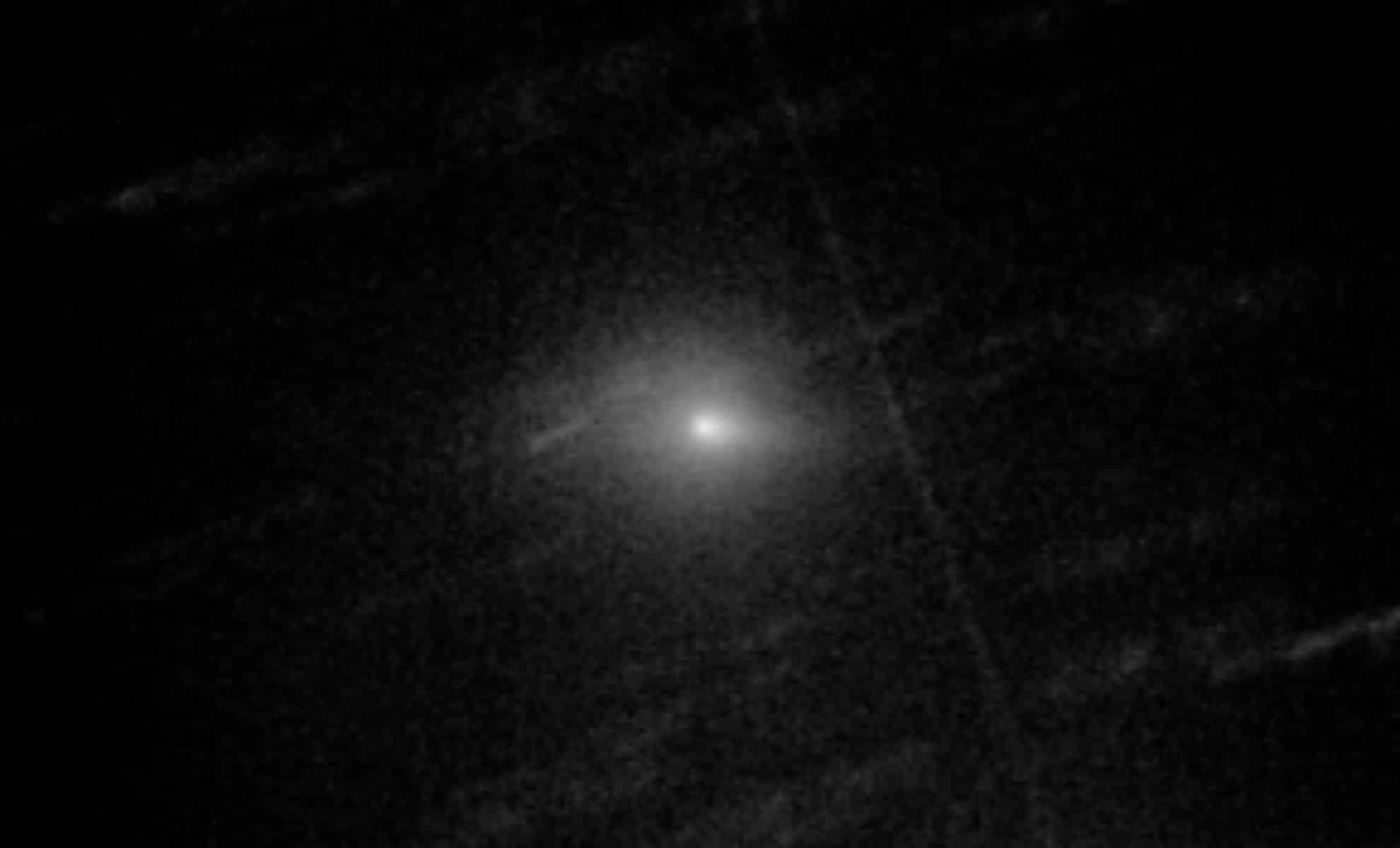
A fresh and exhilarating astral event is unfolding with the discovery of a new sungrazer comet dubbed C/2024 S1 (ATLAS). This comet might soon be visible to the naked eye by the end of October. Following the recent bright spectacle of Comet Tsuchinshan–ATLAS that illuminated skies earlier this month, C/2024 S1 promises its own dazzling display as it courageously approaches the Sun, potentially ranking among the brightest objects in the night sky. Viewers in the Southern Hemisphere could witness this extraordinary comet as it swings close to the Sun.
Defining Characteristics of Comet C/2024 S1’s Sungrazer Status
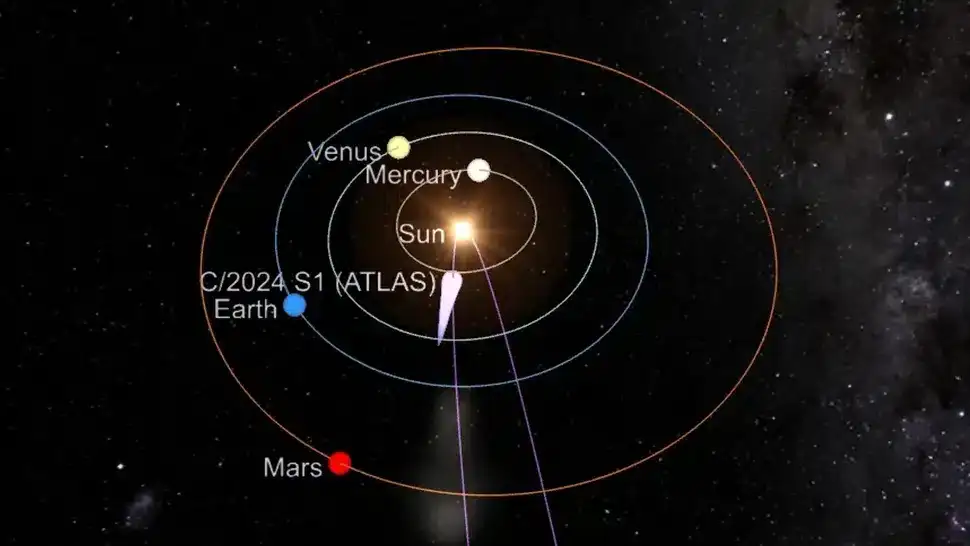
A sungrazer comet is characterized by its close pass near the Sun, sometimes only a few million miles away from the solar surface. The proximity often triggers intense brightening of the comet, making these celestial visitors particularly captivating. However, this close encounter also subjects them to fragile conditions, at risk of disintegration from extreme heat and strong solar gravity.
C/2024 S1 is set to reach its nearest point to the Sun, called its perihelion, on October 28, drawing as close as 765,000 miles (1.2 million kilometers) from the Sun’s surface. This perilous proximity classifies it as a true sungrazer, and astronomers remain uncertain about the comet's survival through this intense solar encounter. Should it endure, the comet will be propelled outward into the outer solar system, potentially brightening further as it retreats from the Sun.

Essential Dates for Observing the Comet
C/2024 S1 will be nearest to Earth on October 24, coming within an estimated 81.8 million miles (131.6 million kilometers). Its peak luminosity is anticipated to occur between October 24 and October 28, when it might outshine Venus and be visible without optical aid, weather permitting.
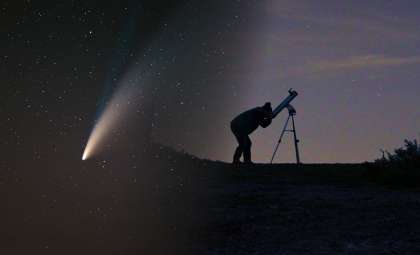
Optimal viewing will occur in the Southern Hemisphere, especially during the pre-dawn hours when the comet will be positioned high in the sky. In the Northern Hemisphere, observers may catch a glimpse of C/2024 S1 from October 29 to 31, though its brightness may have diminished by then. Employing binoculars or a small telescope is highly recommended to appreciate the comet’s intricate features.
A Unique Emerald Luminescence
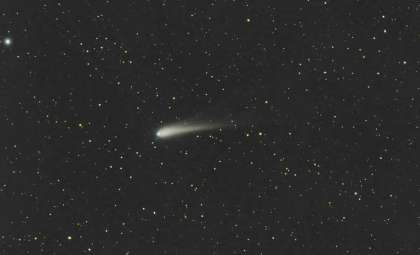
One striking trait setting C/2024 S1 apart is its distinctive green glow, reported by astronomers observing it early on. This radiant color stems from dicarbon molecules in the comet’s coma—the gaseous cloud surrounding its nucleus. When illuminated by sunlight, these molecules emit a greenish fluorescence, giving the comet a vivid and uncommon hue.
This green emission is akin to the phenomenon seen earlier this year with the “devil comet” (12P/Pons-Brooks), which also exhibited a green tint on its approach to the Sun. This rare green coloration enriches the already impressive spectacle of C/2024 S1 as it journeys through the inner solar realms.
Uncertainty Surrounding the Comet’s Solar Passage
The excitement over C/2024 S1 is tempered by uncertainty about whether it will survive its close solar flyby. Sungrazers often fracture or evaporate when exposed to the Sun’s fierce heat and overwhelming gravitational forces. Earlier this year, a similar sungrazer comet succumbed and broke apart shortly after its perihelion in April 2024.
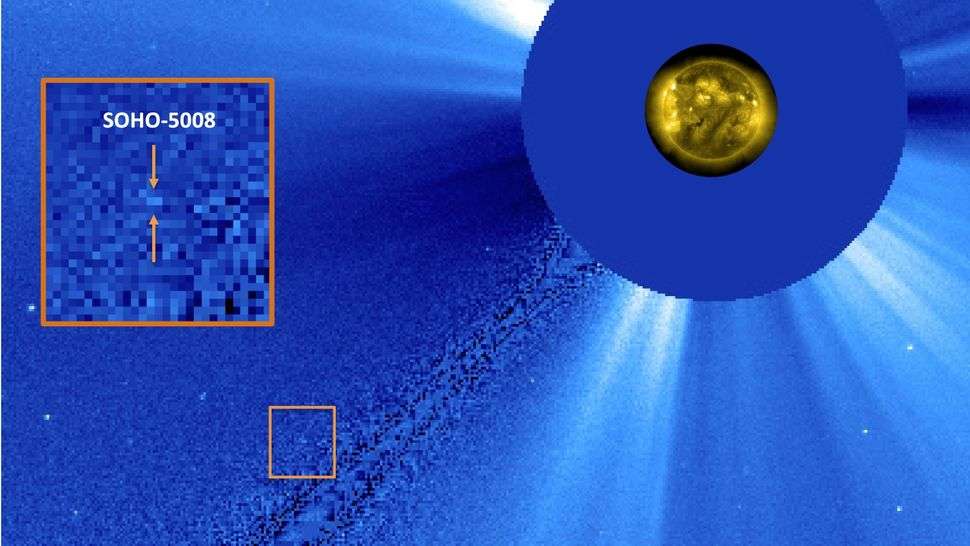
If C/2024 S1 fragments during its solar approach, it may only be visible for a short time beyond October 28. Yet if it withstands the solar encounter, the comet’s retreat through space could offer a spectacular celestial display.
Tracking and Observation Tips
For enthusiasts planning to monitor the comet’s trajectory, websites like TheSkyLive.com provide up-to-date tracking information and visibility forecasts. Utilizing optical aids such as binoculars or telescopes will enhance the viewing experience and help pinpoint the comet’s location.
The comet’s visibility depends on how close it is to the Sun and Earth, alongside prevailing weather. Observers in dark, unobstructed environments stand the best chance of witnessing the comet at its zenith of brightness.
October 2024: A Month Rich with Cometary Phenomena
This October has been remarkable for those fascinated by comets. Comet Tsuchinshan–ATLAS reached its closest point to Earth on October 12 and was visible for much of the month’s first half. Though now waning, it provided ample opportunity for skywatchers to admire and photograph its journey.
With C/2024 S1 making its approach, the celestial stage offers another chance to observe a rare sungrazer comet. Regardless of its fate near the Sun, the appearance of C/2024 S1 ensures October 2024 will be memorable for astronomy fans and comet chasers worldwide.










0 comments
Sign in to Comment