
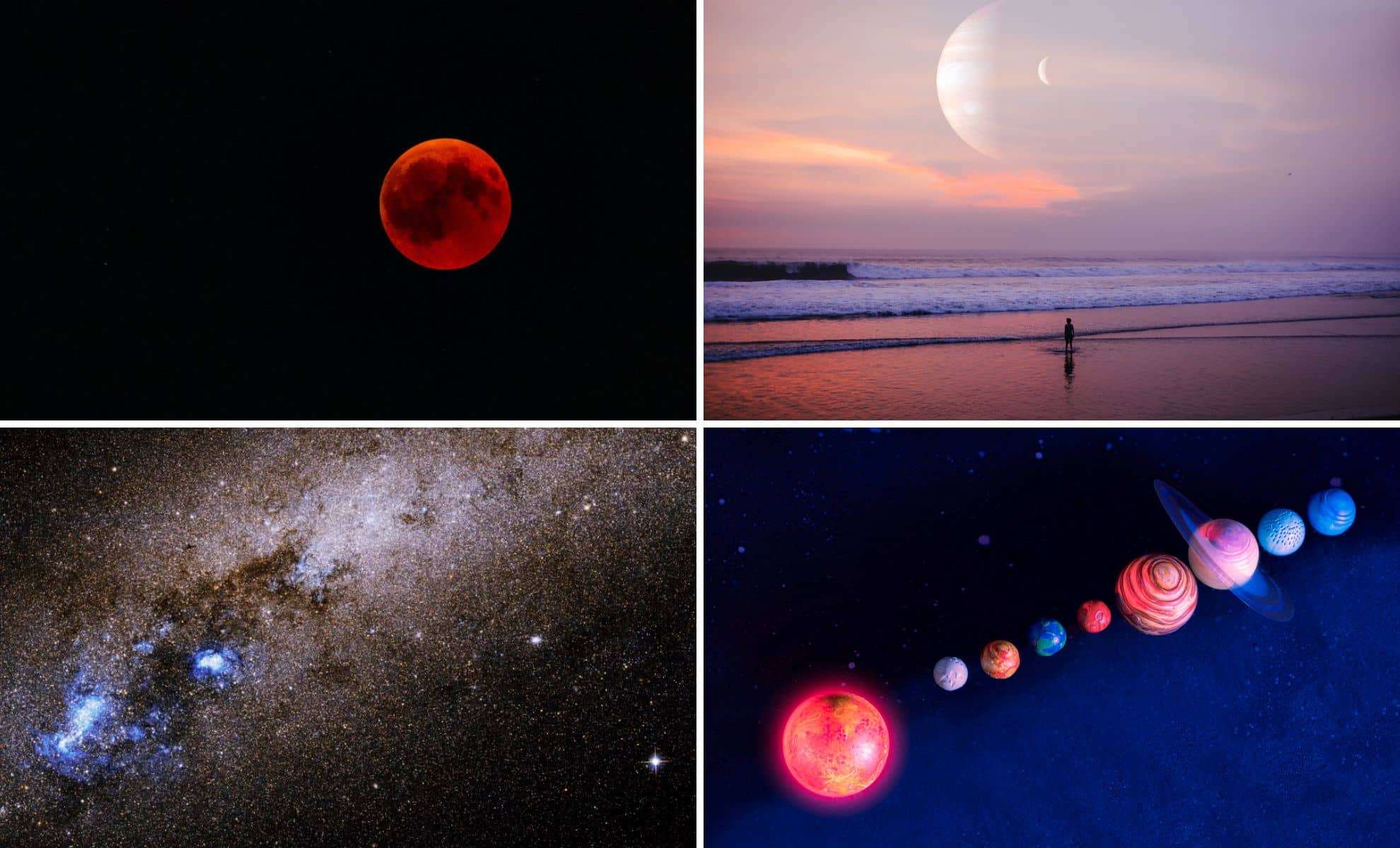
As the warm summer evenings transition into the crisp nights of autumn, September offers a wealth of impressive celestial events. National Geographic’s feature on this month’s night sky highlights spectacular phenomena including a vivid lunar eclipse, planetary gatherings, and prime conditions to observe distant galaxies. Whether you’re a dedicated astronomer or a casual observer, the upcoming weeks promise remarkable sights in the skies above.
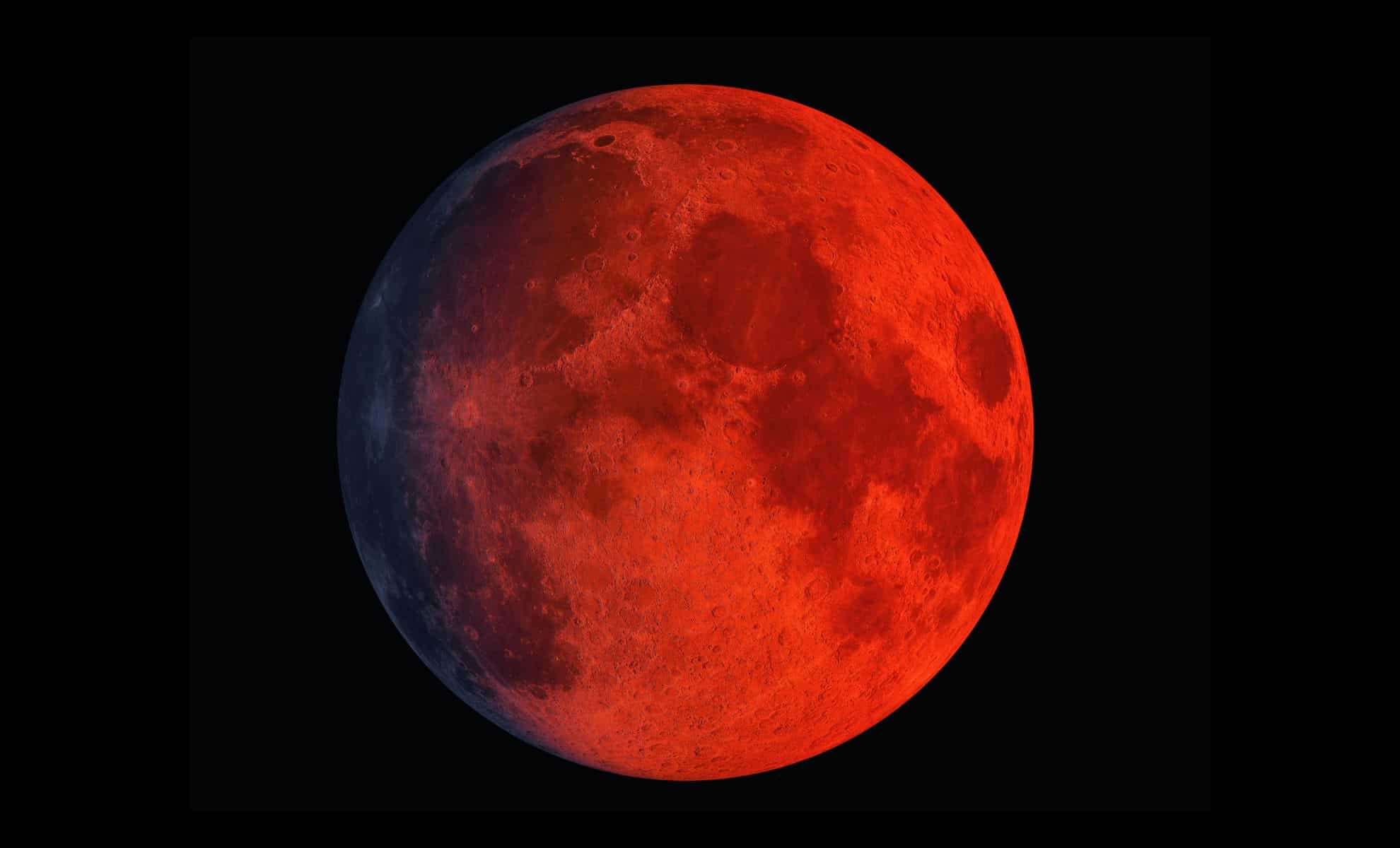
September 7: Total Lunar Eclipse and the Harvest Moon
On September 7, sky enthusiasts will witness one of the month’s most captivating displays—a total lunar eclipse, often called a “blood moon.” This occurs when the Earth’s shadow entirely envelops the moon, turning it a deep reddish hue. Lasting approximately 82 minutes, this event will be observable from large portions of Asia, select African regions, and western Australia. Observers in the Americas unfortunately will not see the eclipse due to moonrise timing.
This full moon in September is also traditionally known as the “Harvest Moon” in various Indigenous North American cultures, marking the crucial period of corn harvesting. Even if the eclipse is out of view for some, the glowing Harvest Moon will still light up the evening sky magnificently.

September 8: Moon, Saturn, and Neptune Align
The evening of September 8 will bring an enthralling celestial grouping as the moon lines up closely with Saturn and Neptune. The trio will appear clustered within just 3.5 degrees of each other, creating an impressive spectacle throughout the night. Saturn will be bright and easily visible to the naked eye, while Neptune, being much farther away, will require binoculars or a telescope to be distinguished.
Beginning after midnight, the three bodies will ascend and reach their peak altitude before dawn, offering an excellent opportunity for planetary observation. Telescope users can enjoy detailed views of Saturn’s rings, which will present themselves edge-on during this event.
September 16: Moon Nears Jupiter
The early morning hours of September 16 will feature a close approach of the waning crescent moon to Jupiter, with just 4.5 degrees separating them. This striking pairing will grace the pre-dawn sky for several hours before sunrise. Those with optical aids like binoculars or telescopes can observe Jupiter’s four largest moons, known as the Galilean satellites.
Bright enough to be seen unaided, Jupiter reveals even more of its fascinating cloud bands and atmospheric features when viewed through a telescope, providing a spectacular glimpse of the solar system’s largest planet.
September 19: Venus Occults Behind the Moon
On September 19, a rare phenomenon will take place when Venus, the bright evening star, passes behind the moon in an event called an occultation. This spectacle will be visible in Europe, Greenland, and parts of Africa, as the moon briefly hides Venus from view.
Outside the regions where the occultation occurs, Venus and the moon will still appear impressively close, separated by just a few arcminutes. This tight pairing will be a stunning sight in the early morning hours.
September 21: New Moon Creates Perfect Stargazing Conditions
The new moon on September 21 brings ideal darkness for star viewing. Without the moon’s glow, fainter celestial objects such as galaxies, star clusters, and nebulae become more visible. This dark sky night is a prime time to observe deep space wonders.
The Milky Way will stand out especially well in the Northern Hemisphere, showcasing the galaxy’s vibrant core. Whether using binoculars, telescopes, or the naked eye, stargazers will find this one of the month’s most rewarding nights for sky exploration.
September 21: Saturn at Opposition
On the same evening as the new moon, Saturn reaches opposition — opposite the Sun from Earth’s perspective. This positioning makes Saturn appear at its brightest and largest in the sky for the year, perfect for viewing.
Even though Saturn’s rings will look edge-on due to their angle, their beauty will still be discernible through a telescope. Visible from sunset until dawn, Saturn provides ample opportunity for prolonged observation.
September 22: Partial Solar Eclipse
A partial solar eclipse on September 22 will be observable in the South Pacific and parts of Antarctica. During this event, the moon will cover up to 85% of the Sun’s disk, dimming sunlight dramatically. If you are in the eclipse’s path, remember to use proper eye protection like eclipse glasses to safely watch the event.
For those outside the viewing area, this eclipse highlights the fascinating precision of celestial alignments that create such rare and breathtaking moments.
September 23: Neptune’s Opposition
While normally difficult to spot without magnification, Neptune reaches opposition on September 23, its brightest point in the sky. Positioned directly opposite the Sun, it reflects maximal light, making it more accessible to observers.
Even though it remains a faint object, binoculars or telescopes will help locate Neptune easily. Recognizing that this tiny dot is the most distant planet in our solar system adds a sense of wonder to this event.
September 24: “String of Pearls” Galaxy Visible
Observers in the Southern Hemisphere and low Northern latitudes have a chance to see the “String of Pearls” galaxy, NGC 55, on September 24. Around midnight, this irregularly shaped galaxy will reach its highest elevation, offering a beautiful view with binoculars or a telescope.
Named for its distinctive appearance, NGC 55 is less famous than many Milky Way satellites but provides a remarkable glimpse into the structure of galaxies beyond our own.
September 27: Peak Viewing of the 47 Tucanae Globular Cluster
On the night of September 27, the dense globular cluster 47 Tucanae ascends to its brightest point. This cluster of hundreds of thousands of stars will be visible across the Southern Hemisphere, appearing as a faint haze to the naked eye.
With a telescope, the cluster’s true splendor becomes apparent, rivaling its neighbor the Small Magellanic Cloud. This is a highlight for astronomers and casual viewers alike.
- Categories:
- News




0 comments
Sign in to Comment