
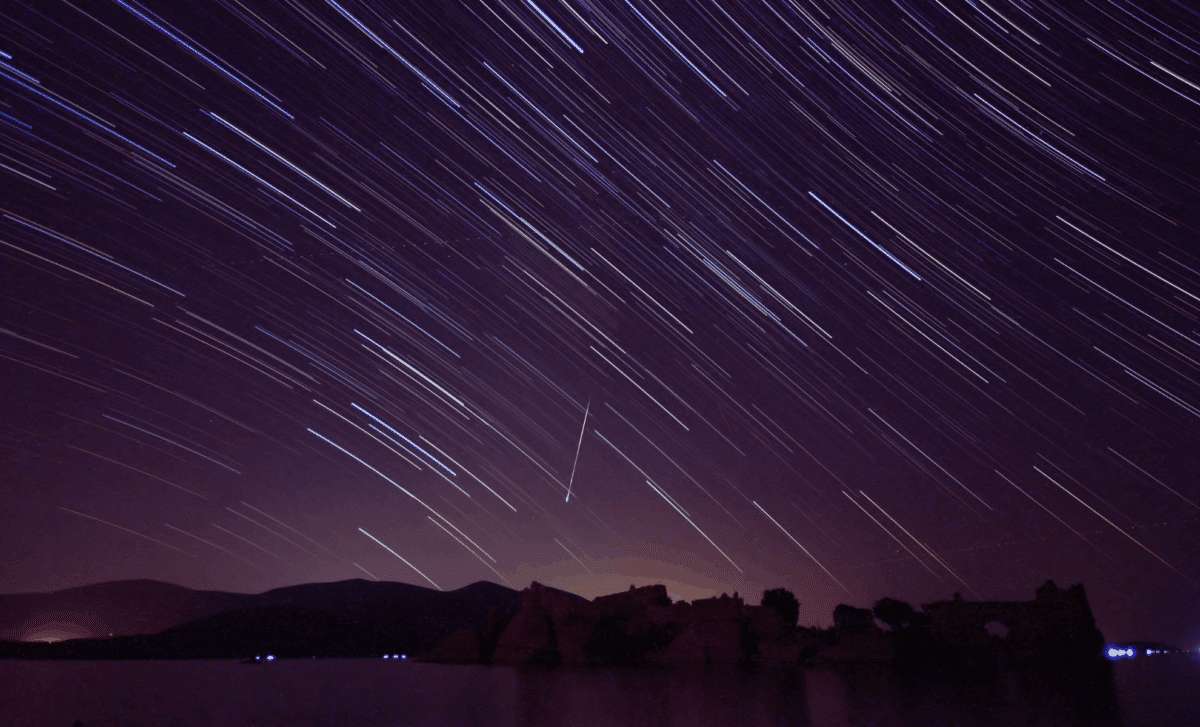
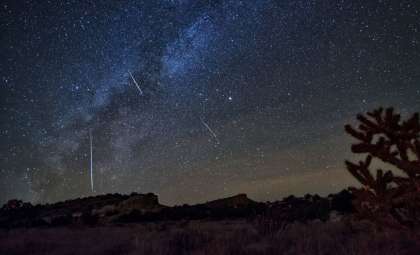
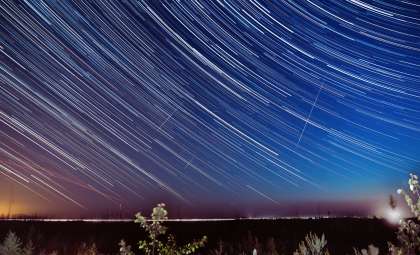
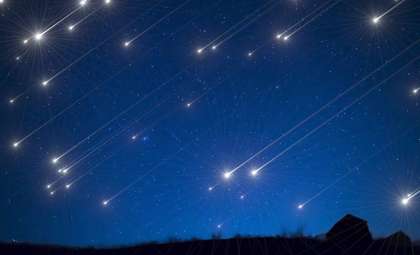
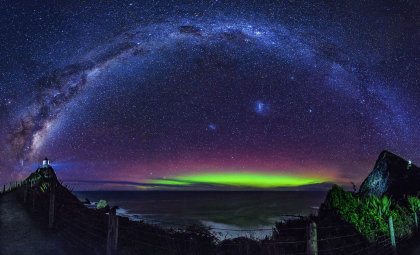
As October advances, astronomy enthusiasts eagerly anticipate one of the year's most dazzling phenomena: the Orionid meteor shower. Expected to reach its peak during the night of October 20-21, 2025, this event will showcase a flurry of meteors streaking across a dark, moonless sky. With the radiant located within the Orion constellation, observers have a unique chance to admire an array of shooting stars. Here’s what you need to know to fully enjoy this extraordinary sky event.
The Story Behind the Orionid Meteor Shower
The Orionid meteor shower isn’t just a random display of shooting stars; it originates from a fascinating cosmic source. Each autumn, Earth traverses debris shed by Halley’s Comet, a celestial traveler known for its long-standing orbit through our solar system. These leftover particles, moving at speeds near 41 miles per second (66 km/s), enter Earth’s atmosphere, creating brilliant streaks of light we recognize as meteors.
This meteor shower shines as these fragments appear to radiate from a location close to the constellation Orion, particularly near the red supergiant Betelgeuse. This remarkable connection ties Earth’s night sky to one of the most iconic comets, showcasing a cosmic partnership that has produced a dependable meteor shower annually.

What Makes the 2025 Orionids Stand Out
The Orionid meteor shower in 2025 promises an exceptional viewing experience. Unlike the August Perseids, which were hampered by moonlight shining from a waning gibbous moon, the Orionids will occur under a pristine sky free from moon glare. This rare darkness enhances visibility significantly, allowing even fainter meteors to be seen clearly with the naked eye.
At its peak on October 20-21, viewers can expect between 10 to 20 meteors each hour. During particularly favorable years, rates may climb to 50-75 meteors per hour, rivaling the display seen during the August Perseid meteor shower. As noted by Space.com, the variability in meteor showers depends on complex cosmic factors but can still offer breathtaking sights for dedicated observers.
Tips for Observing the Orionid Meteor Shower
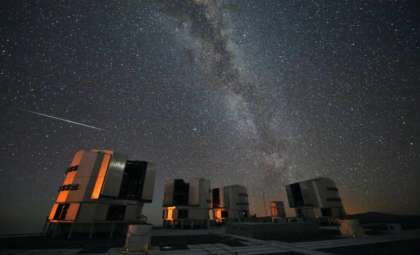
For optimal meteor spotting, timing and location are essential. The prime window to observe the Orionids is during the early morning hours of October 21, just before daybreak, when the radiant sits high above the southern horizon. To maximize your experience, seek out a dark setting far from urban light pollution. The darker the environment, the greater the meteor count you’ll likely observe.
Experts advise spending at least 30 minutes in darkness to let your eyes adapt fully. This adjustment period dramatically increases your ability to detect more meteors. Once your vision adjusts, direct your gaze toward Orion, specifically near Betelgeuse, above Orion’s Belt. From that focal point, meteors will blaze trails across the sky, often leaving glowing, lingering streaks.
The Amazing Experience of Watching Meteors
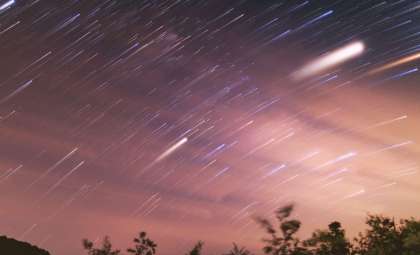
Meteor showers like the Orionids capture the imagination by showcasing fleeting bursts of light that dazzle and inspire. Each meteor, blazing at tremendous speeds, provides a moment of awe as it burns up entering our atmosphere.
Beyond the regular meteors, there’s always the chance to spot spectacular fireballs. These luminous events outshine planets and can endure for multiple seconds, often marked by vivid trails across the sky. Fireballs offer some of the most memorable moments in stargazing, and the Orionids frequently produce these brilliant flashes. Witnessing one can leave a lasting impression long after the meteor shower concludes.
- Categories:
- News



0 comments
Sign in to Comment