
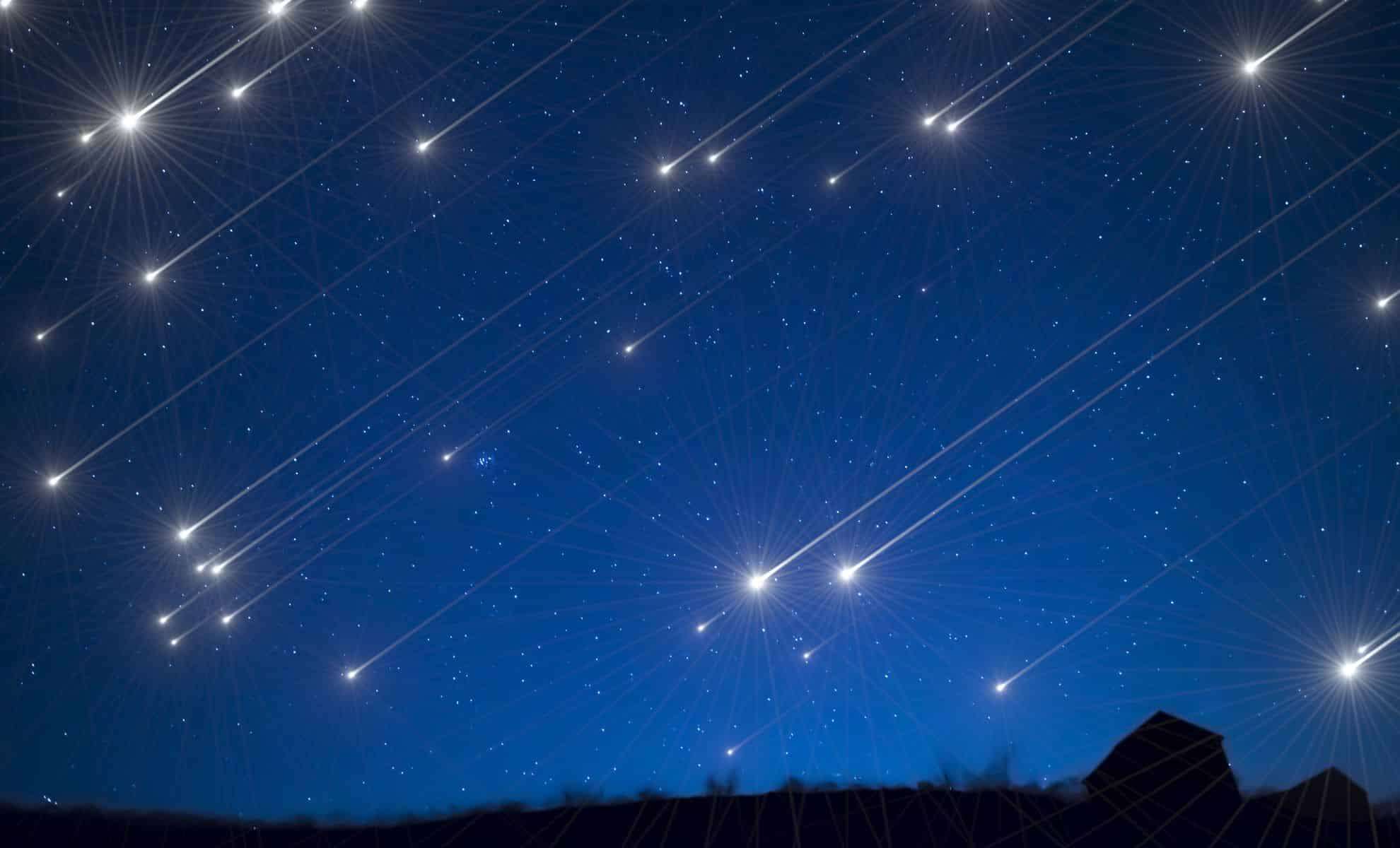
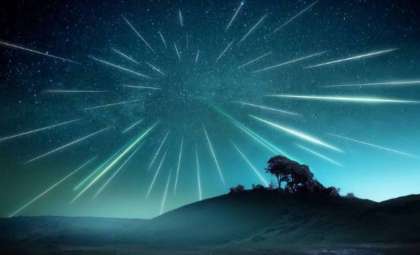
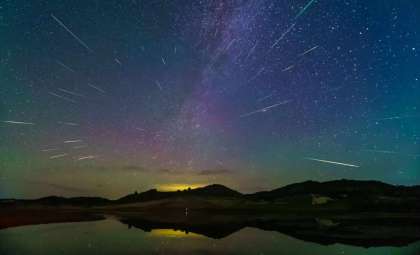
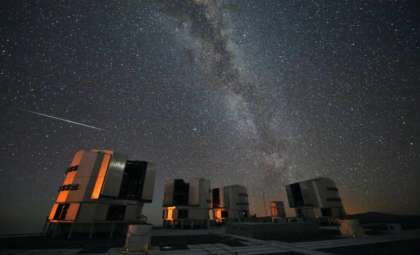
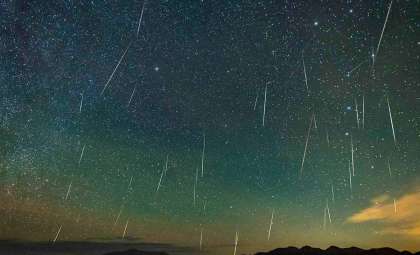
Each August, stargazers eagerly await the Perseid meteor shower, one of the most spectacular celestial events of the year. In 2025, the peak is expected on the night of August 12 to 13, delivering the familiar display of dazzling meteors and occasional brilliant fireballs — albeit with some viewing challenges.
Experts from the American Meteor Society alert observers that a waning gibbous moon will brighten the sky, obscuring many of the dimmer meteors. Despite this, the Perseids remain a highlight for skywatchers. Normally, the shower can produce as many as 100 meteors per hour under perfect darkness, but due to the lunar brightness in 2025, visible meteors may drop to about 15 per hour.
Optimal Viewing Times and Locations
The source of the Perseids lies in the constellation Perseus, near the star Eta Persei, visible in the northeastern sky each August. Robert Lunsford from the American Meteor Society notes that “the top meteor counts will likely hover around 15 per hour as most meteors will be faint.” The best viewing window spans from 1 a.m. to 5 a.m. local time, with viewers advised to position themselves so the moon is behind them and look roughly 40 degrees above the radiant point to catch the longest meteor streaks.

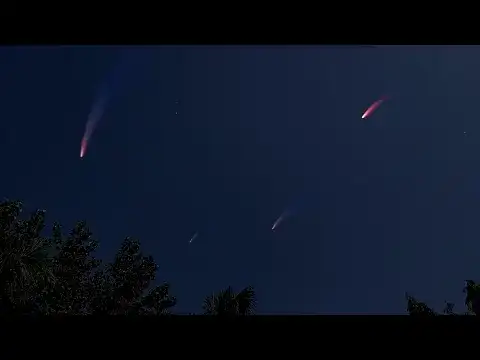
NASA reports that viewers may observe earthgrazers — slow-moving meteors that skim the Earth's atmosphere — as early as 10 p.m., though moonlight will soon diminish visibility. For the best experience, it’s crucial to find locations away from urban lighting since artificial light significantly reduces the number of visible meteors. Choosing a rural site will enhance viewing quality.
What Makes the Perseids Unique
This meteor shower occurs when our planet travels through debris left behind by comet 109P/Swift-Tuttle. Tiny particles collide with Earth's atmosphere at velocities nearing 37 miles (59 kilometers) per second, creating dazzling, short-lived streaks of light. Known for its dependable activity and bright fireballs, the Perseids often light up skies with meteors that can momentarily shine almost as brightly as Venus.
With the moon’s glow muting many meteors this year, those that shine through could appear particularly vivid. Lunsford emphasizes, “The peak night remains the best opportunity to witness the shower even with moon interference,” adding that the meteor rate typically decreases by half each night following the maximum.
Advice for Observing and Capturing the Event
Patience and clear conditions are key to a rewarding Perseid experience. Reclining comfortably on a blanket or outdoor chair helps in monitoring a broad section of sky without strain. The Cité de l’espace suggests that capturing remarkable photos depends more on clear, dark skies than the photography gear itself.
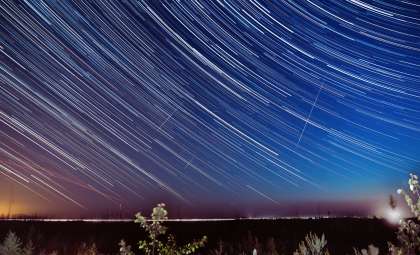
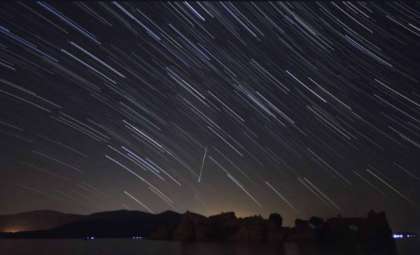
Utilizing a tripod and long exposure settings on your camera will improve the chances of photographing meteor trails. Even smartphones can be effective when paired with specialized night-sky photography apps. Importantly, avoid screen exposure during observation, as your eyes need roughly 20 minutes to adjust fully to darkness.
- Categories:
- News


0 comments
Sign in to Comment