
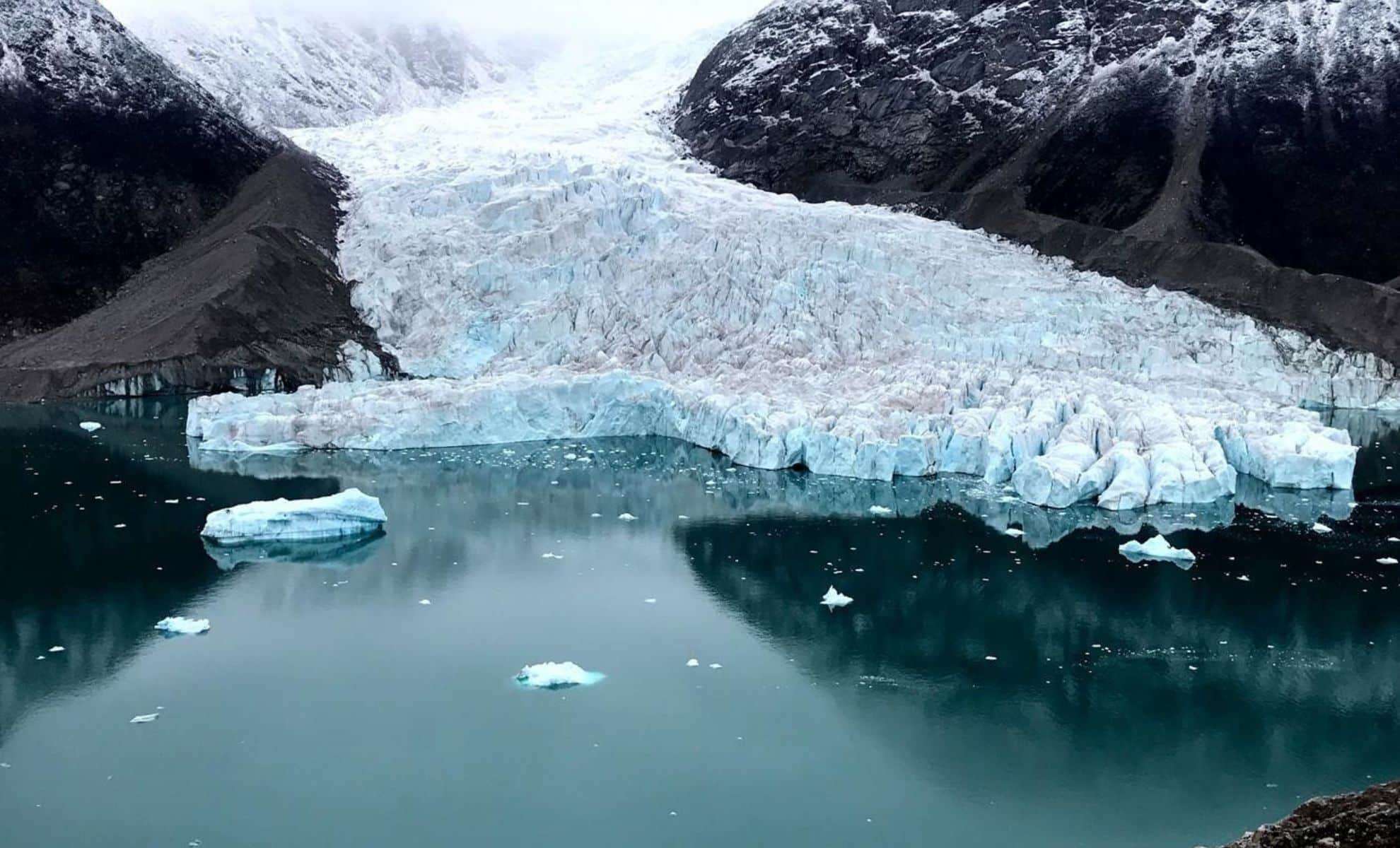
Scientists have made a remarkable find deep within the permafrost of a secluded island in the Canadian Arctic: an ancient glacier estimated to be around 770,000 years old. This frozen relic offers a unique window into Earth’s climate development, potentially unlocking unprecedented information about how glaciers formed and endured through successive ice ages.
The initial investigation began in 2009 when geomorphologist Daniel Fortier and his team embarked on a mission to study landslides caused by melting permafrost. During their fieldwork, they identified layered ice layers resting atop a fossilized forest containing organic materials dating back more than 60,000 years. Further examination revealed a fascinating shift in magnetic minerals within the ice, indicating a reversal of Earth's magnetic field from roughly 770,000 years ago. This discovery confirmed the glacier’s extraordinary age, making it one of the oldest intact ice masses on Earth.
Fortier shared with Science News, "I never anticipated uncovering something of this magnitude." Researchers are now conducting detailed analyses to uncover what this ancient ice can reveal about prehistoric climate patterns and environmental conditions over hundreds of millennia.

The Significance of the Discovery
Glaciers serve as vital natural archives, trapping ancient air bubbles, organic matter, and microbes in their frozen layers. These records are crucial for reconstructing Earth's climatic past and understanding shifts in environment over geological timescales.
The team highlighted the important role of permafrost in preserving this history: “Permafrost acts as a natural repository, where sediments and ice safeguard fossils, ancient flora, organic remains, and even DNA.” This means that beyond the glacier itself, the encompassing permafrost may hold clues to extinct ecosystems and climatic conditions from nearly a million years ago.
Through this study, scientists aim to unlock insights into:
- Earth’s historical climate fluctuations and the patterns of glacial and interglacial periods.
- The durability of glaciers during past warming events, shedding light on their resilience mechanisms.
- The longevity and stability of permafrost and its capacity to preserve climate data.
Gaining a better understanding of how this glacier withstood countless climate changes could inform predictions about how current ice formations might respond to ongoing global warming, and guide conservation efforts.
Permafrost’s Resilience Amid Climate Change
While this ancient discovery illuminates Earth’s climatic history, it also underscores pressing challenges facing glaciers and permafrost in today’s rapidly warming environment. Regions once permanently frozen now face accelerated thawing, driving sea level rise, landscape instability, and the release of trapped greenhouse gases such as carbon dioxide and methane.
Remarkably, the researchers noted the long-term endurance of this glacier despite previous warm periods. This resilience suggests certain icy regions may withstand warming better than previously assumed. Fortier remarked, “I believe permafrost declines more gradually than expected; this system is surprisingly robust.”
Nevertheless, scientists warn that modern climate changes, propelled by human emissions, are occurring at an unprecedented pace. The accelerated rate leaves glaciers and permafrost with far less time to adapt compared to natural historical fluctuations.
Future Research Directions
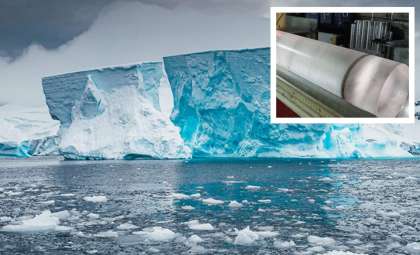
This discovery offers a valuable chance to study one of Earth’s oldest frozen archives before it potentially melts away. Scientists plan to extract ice cores which could reveal:
- Past atmospheric compositions, including ancient greenhouse gas levels.
- Existence of prehistoric microbial life, delivering insights into early microbial ecosystems.
- Traces of bygone plant life and organic matter, detailing ecosystem shifts across millennia.
With global temperatures climbing, there is an urgent race to protect and analyze these icy records before they vanish. The thawing permafrost not only threatens to erase invaluable climate data but also accelerates carbon emissions, further fueling climate change.
A Call to Action from Ancient Ice
This extraordinary find represents both a monumental scientific achievement and a warning about the fragility of Earth’s frozen realms. The persistence of this 770,000-year-old glacier through multiple climatic shifts demonstrates greater resilience than expected, yet today’s rapidly accelerating climate crisis poses unprecedented risks.
Unlike gradual past warming events, modern human-driven climate change progresses at an accelerated pace, leaving little time for permafrost and glaciers to respond. This leads to the release of vast quantities of carbon dioxide and methane previously locked in frozen ground, intensifying global warming in a dangerous feedback loop.
The disappearance of such ancient ice reserves threatens rising seas, ecosystem upheavals, and the loss of irreplaceable records critical for predicting future climate patterns. Each frozen archive lost is a missed opportunity to deepen our scientific understanding of Earth’s environmental past.
As researchers continue their work, they hope this Arctic glacier can teach us how ice manages to survive warming eras—and inspire strategies to safeguard Earth's remaining frozen landscapes. The findings highlight the necessity for concerted climate mitigation, conservation, and ongoing research efforts.
Locked away within permafrost for nearly a million years, this frozen testament is now at risk, driving a critical race to study and preserve it so future generations can learn from Earth’s icy history.
- Categories:
- News





0 comments
Sign in to Comment