
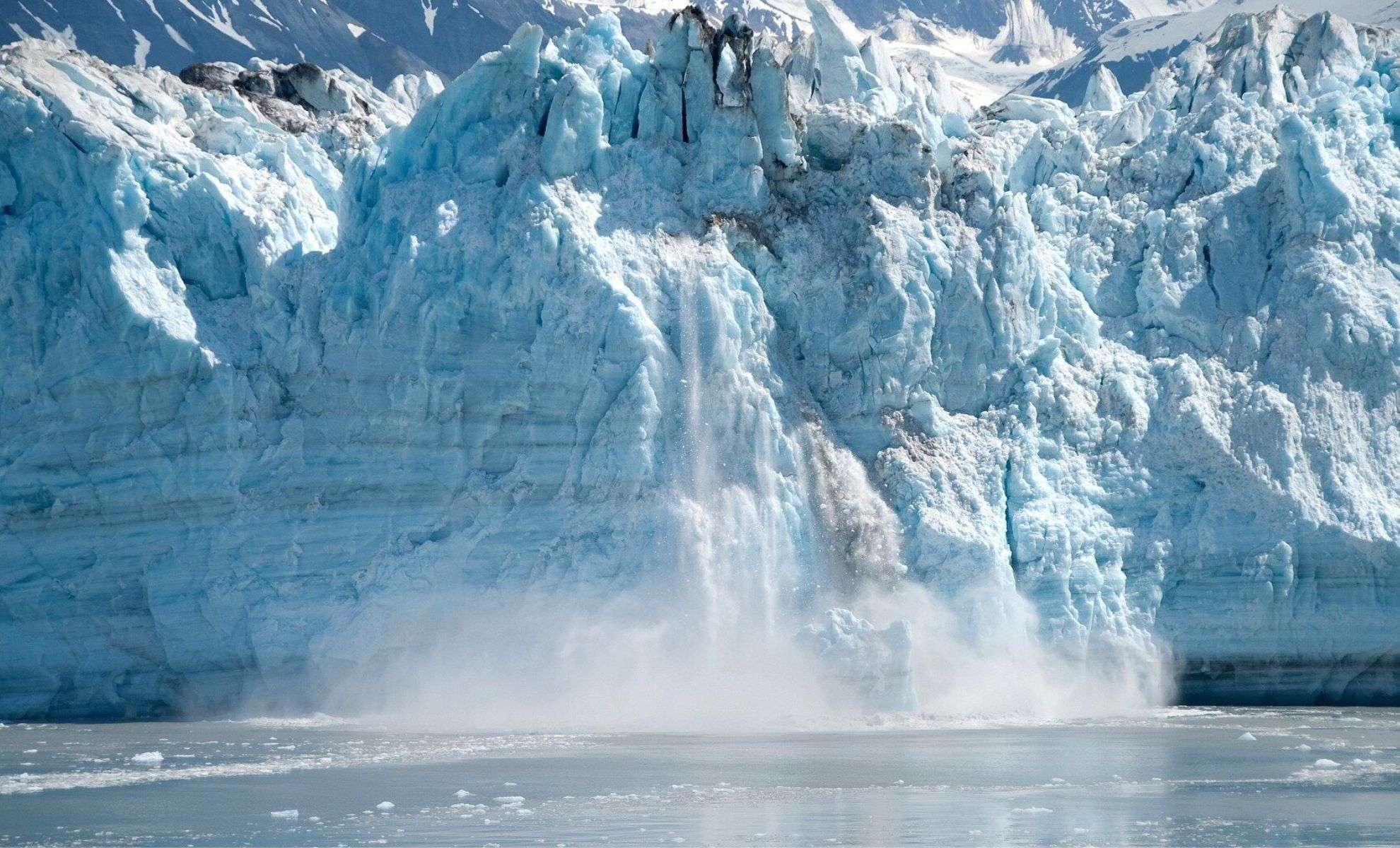
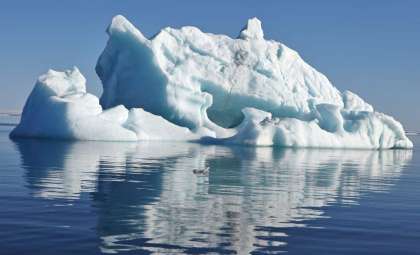
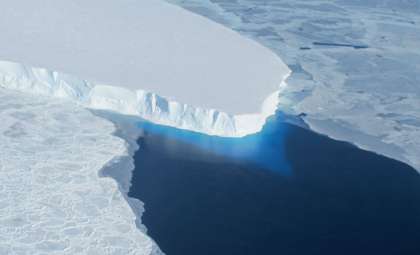
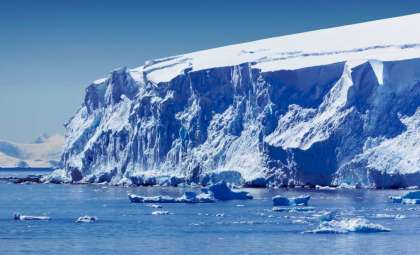
Glaciers around the world are disappearing faster than ever, with recent findings revealing an annual loss of approximately 300 billion tons of ice. This volume equals the melting of three Olympic-sized pools every second and is fueled by the sharp rise in global temperatures, contributing to sea level rise and jeopardizing vital freshwater reserves across numerous regions.
For the first time, researchers have compiled a unified global dataset on glacier retreat, exposing an alarming acceleration in ice loss due to climate change. Although glaciers have been shrinking for decades, the pace has significantly intensified in the last ten years. The consequences extend beyond rising seas, placing millions who depend on glaciers for freshwater in critical jeopardy.
Comprehensive Study Illuminates Widespread Glacier Decline
Published on February 19, 2025 in Nature, this extensive study led by Michael Zemp, professor at the University of Zurich and director of the World Glacier Monitoring Service, utilizes satellite data alongside on-site glacier measurements. The research offers detailed insight into ice mass loss across nearly all glacier regions globally, with the exception of the Greenland and Antarctic ice sheets.

“While we anticipated glacier melting, the enormous volume lost in recent years has been truly startling,” Zemp remarked in an interview with LiveScience. The research indicates a 5% reduction in total glacier volume worldwide since 2000, with a 36% increase in melt rate over the past decade alone.
Glacier recession varies by region; the European Alps and Pyrenees face some of the steepest declines, with glacier sizes diminishing by up to 40% within just twenty years.
Impacts on Rising Ocean Levels and Water Resources
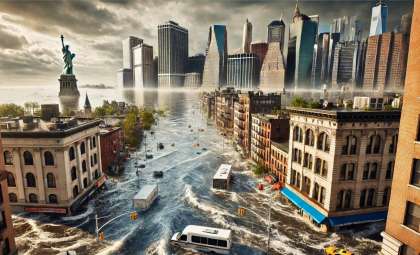
The implications of shrinking glaciers are profound. Melting ice contributes directly to sea level rise, reshaping coastal areas and heightening flood risks for vulnerable populations. The study estimates that meltwater from glaciers has raised global sea levels by 0.7 inches (18 mm) since 2000, exceeding that from the Greenland Ice Sheet within the same timeframe.
Beyond rising seas, glaciers are essential freshwater sources for millions, especially in Central Asia and the Andes, where seasonal glacier melt supports drinking water, agriculture, and hydropower. Co-author and glaciologist, Inés Dussaillant Lehmann, cautions about the severe consequences for water resources due to ongoing glacial retreat. “Glaciers are vital freshwater resources, especially for local communities in Central Asia and the Central Andes,” she noted.
With continuous glacier loss, water flow variability will increase, disrupting farming, energy generation, and potable water access. This will likely demand major adjustments in regional water management and infrastructure to adapt to new realities.
Future Outlook: The Challenge of Glacier Preservation
The study’s most sobering conclusion is that even aggressive greenhouse gas reductions cannot fully halt glacier losses. Due to glaciers’ delayed reaction to climate shifts, at least 25% of the remaining ice is projected to vanish by 2100 under the most positive emission scenarios. If current emission trends persist, half of the world’s glacier ice could be lost by century’s end.
Zemp stresses the critical need for urgent climate intervention: “Every fraction of a degree [Celsius] we can avoid warming helps protect glaciers and reduces downstream impacts.”
This comprehensive analysis highlights that glacier decline is far from a distant or isolated problem; it is a pressing global emergency with wide-ranging effects. Immediate efforts to slash carbon emissions and slow global warming are essential to safeguard coastal zones, freshwater availability, and ecosystems worldwide.
- Categories:
- News ,
- Climate change


0 comments
Sign in to Comment