
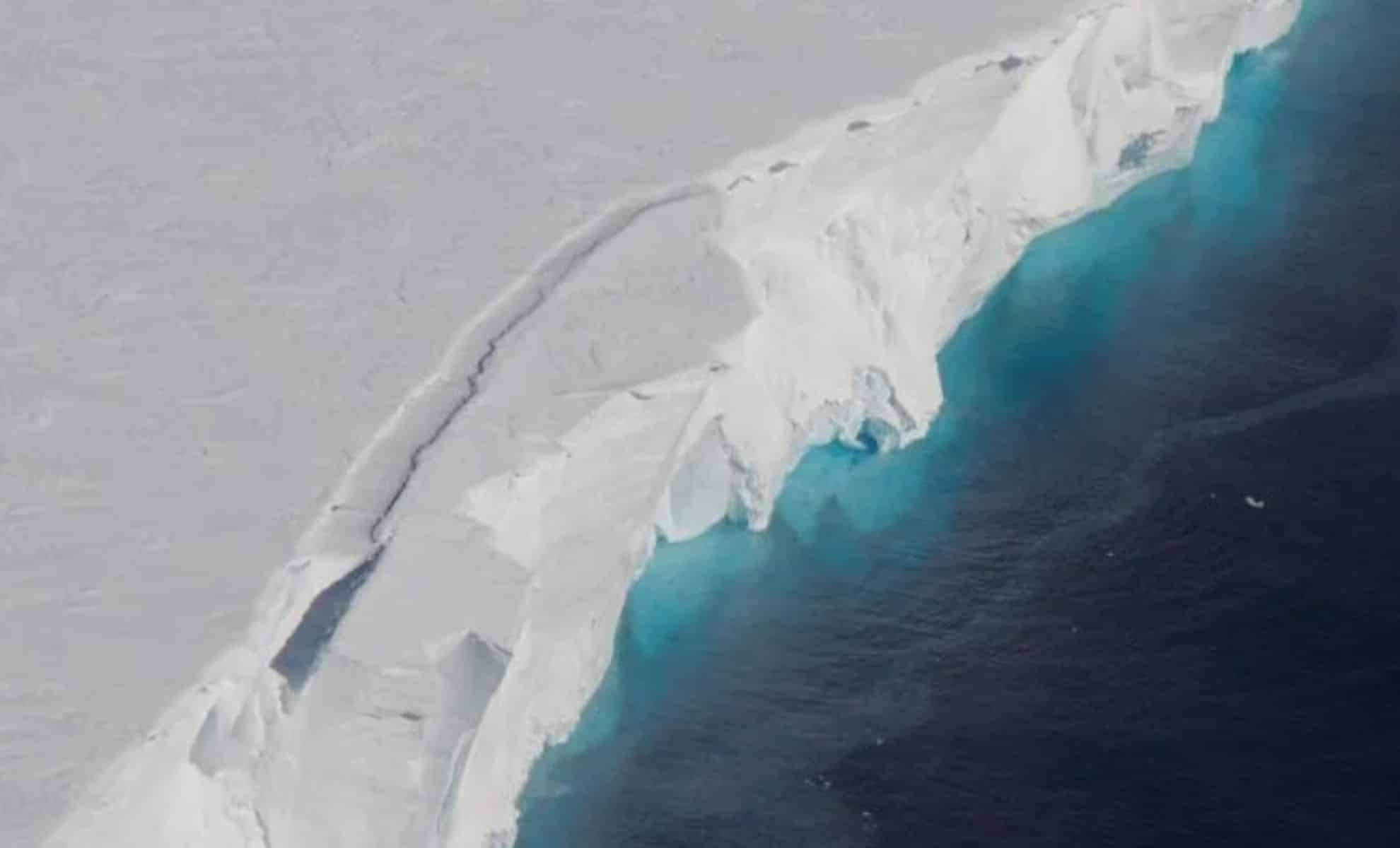
Recent findings published in Advances in Atmospheric Sciences highlight the presence of powerful, previously unrecognized wind phenomena sweeping across parts of West Antarctica. These strong low-level jets (LLJs) are traversing the Thwaites and Pine Island ice shelves—two glaciers critical to global sea level. Dubbed the "Doomsday Glacier," Thwaites is particularly important due to the potential for its rapid retreat to contribute significantly to worldwide sea level increases. This breakthrough sheds light on key atmospheric forces influencing accelerated ice melt and evolving climatic conditions in Antarctica.
Revealing the Winds Driving Faster Glacier Retreat
Experts have long tried to understand the mechanisms behind the swift melting of Thwaites and Pine Island glaciers, but the identification of these LLJs fills an important knowledge gap. Lead author Sai Prabala Swetha Chittella stated, “Our goal was to determine how frequent these LLJs are and what triggers them. Grasping the dynamics of these intense winds is crucial, as they likely impact snow distribution across the Thwaites and Pine Island ice shelves and influence both ocean currents and sea-ice patterns. These effects can, in turn, modify the pace of ice loss and contribute to sea-level rise.”
The study utilized radiosonde data collected via weather balloons deployed over the Amundsen Sea Embayment, detecting wind speeds and temperature profiles close to the surface. Of 22 launches, about half captured these jet-like airflow patterns mostly directed offshore. High-resolution atmospheric simulations corroborated these findings, revealing LLJs spanning considerable regions and markedly boosting wind speeds near glaciers and adjacent waters. This points to intricate interactions between the atmosphere, ice surfaces, and ocean systems that drive glacier melting.

Storm Systems Intensify Low-Level Jets’ Impact
A major insight from the research is how cyclonic storms—intense low-pressure systems—amplify katabatic winds descending from Antarctica's interior heights. These cold, dense down-slope winds normally flow steadily, but cyclones can significantly strengthen them, producing more powerful LLJs. Coauthor Dr. Andrew Orr noted, “We discovered that LLJs are a common feature in this region of Antarctica, often intensified by passing storms.”
This storm-wind interaction means that weather disturbances serve as catalysts, boosting wind velocities that redistribute snow, modify sea-ice distribution, and stir ocean layers. Such processes influence how glaciers shed ice into the ocean. Recognizing this connection is crucial, especially as altered storm patterns linked to climate change could further accelerate Antarctic glacier decline and exacerbate global sea level rise risks.
- Categories:
- News








0 comments
Sign in to Comment