
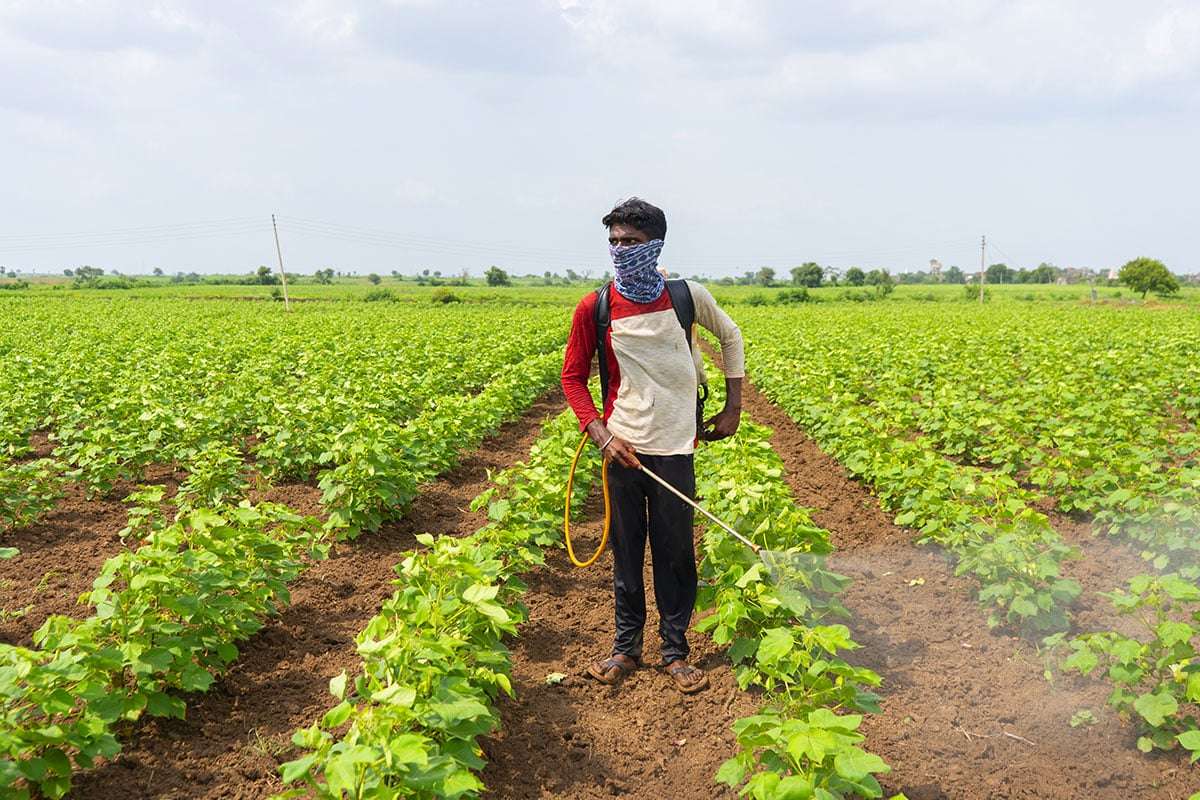
Despite strict pesticide regulations within the European Union, banned chemicals have been identified in imported food products sold across France, sparking concerns over consumer safety and environmental impact.
Hidden pesticides detected in imported fruits and vegetables
Investigations conducted by the TV program “Vert de rage” revealed that several imported fruits and vegetables available in French retail outlets contain residues of pesticides forbidden within the EU. Out of 22 tested samples, seven showed contamination from banned substances.
Significant findings include:

- A pomelo from China containing chlorpyrifos, a neurotoxin and hormone disruptor, alongside propiconazole, a reproductive toxin
- Grapes imported from Peru with traces of imidacloprid, a restricted neonicotinoid insecticide, and myclobutanil
- An orange from Tunisia contaminated with malathion, considered potentially carcinogenic, and banned in the EU since 2008
These results emphasize the pressing need for enhanced import inspections and raise doubts about the efficacy of current food safety protocols. Differences in regulations between the EU and exporting countries expose European consumers to preventable risks.
Trade complexities and pesticide regulation challenges
The problem of banned pesticides appearing in imported items goes beyond produce. Data analyzed by Pesticide Action Network Europe (PAN Europe) indicates that certain categories are especially susceptible:
CategoryCommonly Affected ProductsBeveragesCoffee, TeaSeasoningsSpicesLegumesVarious typesFruitsTahitian limes, passion fruits, plumsVegetables and grainsRice, zucchini, plantain bananas
While most imports are free from banned substances, the likelihood of contamination is significantly greater compared to EU-grown products. Research shows food products originating outside the EU are twice as likely to contain prohibited pesticide residues.
This concerning pattern is mirrored in food safety alerts. In 2022 alone, France’s General Directorate for Food (DGAL) issued 2,446 food recalls, with 328 linked to pesticide detection. Of these, 296 involved banned pesticides or metabolites exceeding permitted levels.
The dual role of the EU in pesticide production and export
The “Vert de rage” expose also revealed a contentious practice within the EU: some pesticides outlawed for domestic use continue to be manufactured in France for sale abroad where they remain legal, raising ethical questions about Europe's position in the global pesticide market.
Highlights of French pesticide exports in 2023 include:
- Brazil as the top importer
- Ukraine ranking second
- The United States taking third place
- Russia and the United Kingdom completing the top five destinations
Production sites have left environmental footprints as well, with water samples near manufacturing facilities showing contamination linked to current and past pesticide production, even when pollutant levels remain within regulatory limits.
Working toward safer food systems and eco-friendly farming
The presence of banned substances in imported foodstuffs, coupled with continued export-oriented production, presents multifaceted challenges for the EU. Effective solutions include:
Enhancing import screening: Strengthening testing protocols for high-risk imports, particularly from countries like India, responsible for over a quarter of banned pesticide incidents reported in France over three years.
Fostering global collaboration: Building international partnerships to align pesticide standards and encourage sustainable agricultural methods worldwide.
Developing green alternatives: Investing in eco-conscious pest control research to reduce dependence on harmful chemicals.
Raising public awareness: Informing consumers about pesticide hazards and enabling smarter food choices.
Addressing these issues proactively can help the European Union ensure safer food supplies, protect public health, and promote sustainable farming practices both domestically and abroad.
- Categories:
- Health
















0 comments
Sign in to Comment