
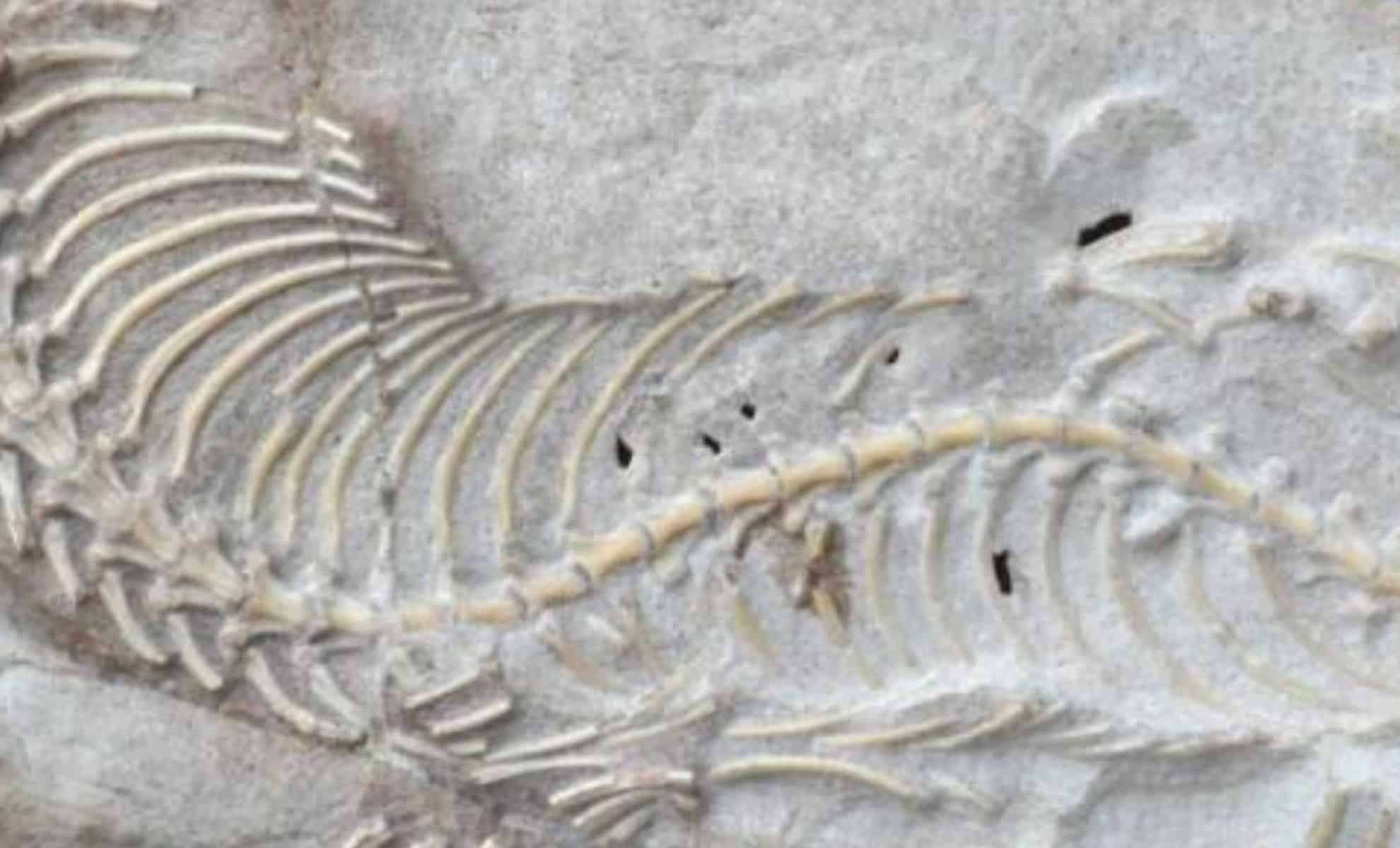
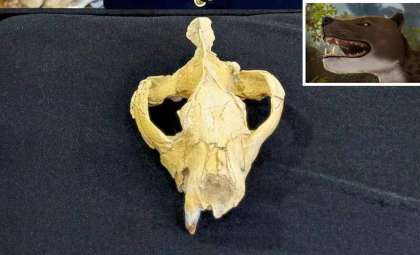
Buried under sediment for nearly 95 million years, a remarkably intact skull fossil of an extinct legged snake species, Najash rionegrina, has emerged to illuminate a missing piece of evolutionary history. Published initially in the journal Science Advances, this fossil advances our understanding of how snakes transitioned from their limbed reptilian ancestors.
Unearthing a Snake with Limbs and a Distinctive Skull
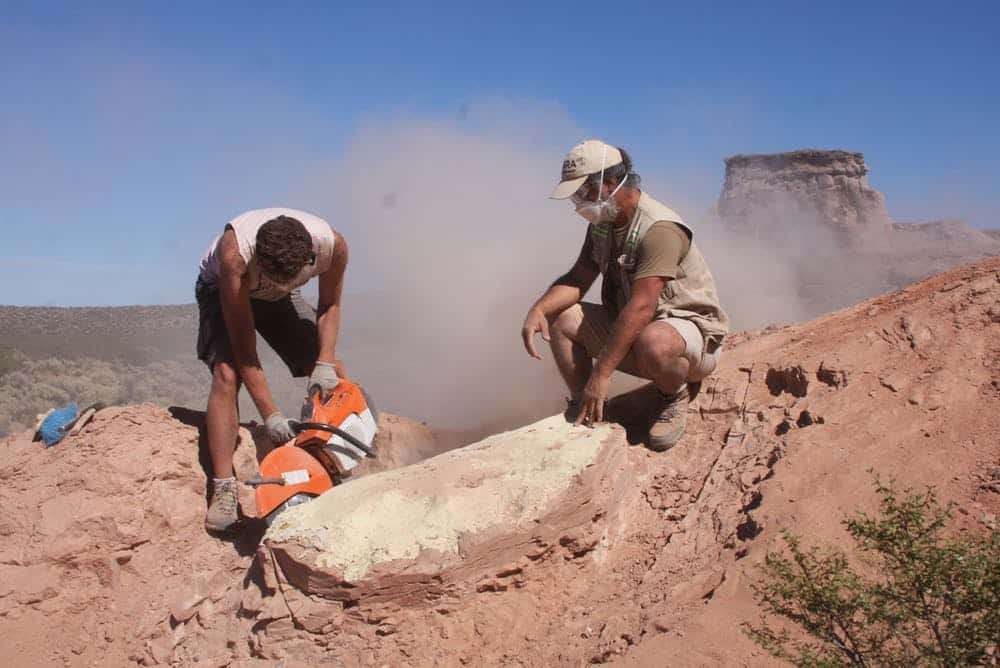
The breakthrough happened in February 2013 when Fernando Garberoglio, then an undergraduate student in paleontology, discovered a small bone fragment during his first digging trip. This fragment turned out to be a complete snake skull—a very rare find of great evolutionary importance.
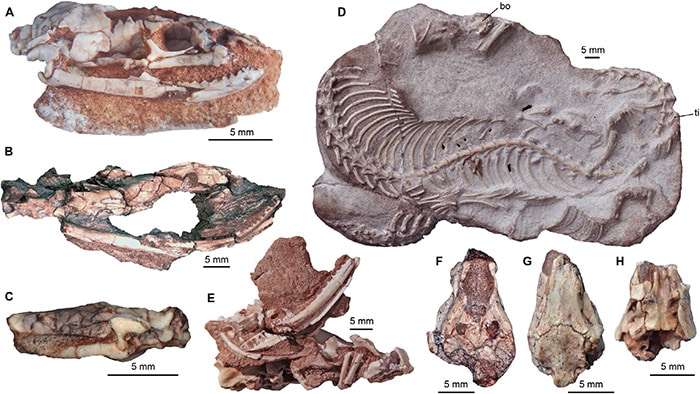
The specimen was excavated from Argentina’s La Buitrera Paleontological Area in Río Negro Province, a region famed for its fossil richness. While earlier remains of Najash included partial skulls and hind limbs, this was the first recovery of a fully three-dimensional skull of the species. Garberoglio emphasized, “This skull ranks as the most comprehensive Mesozoic snake skull discovered, providing crucial insights into ancient snake anatomy.”

A key feature of Najash is its terrestrial lifestyle. Prior legged snake fossils were mostly from marine environments, fueling debates on snakes’ oceanic origins. But this evidence reveals Najash roamed land habitats, most likely adapting to dry, desert-like ecosystems.
Examining the Skull of an Ancient Reptilian Hunter
The Najash skull presents an intriguing combination of primitive lizard features alongside modern snake characteristics. It possesses articulated joints enabling the jaw to open wide for swallowing prey, similar to contemporary snakes. However, it retains certain lizard-like bones, such as the bone behind the eye known as the jugal.
Previously, experts believed snakes had lost the jugal bone entirely and that the bone located behind the eye was the postorbital, a remnant from their lizard ancestry. The Najash fossil overturns this assumption. The bone’s location, shape, and connections precisely match the L-shaped jugal found in modern lizards. This indicates the postorbital bone disappeared during evolution—not the jugal.
Reevaluating Snake Evolutionary Origins
Historically, scientists theorized that snakes evolved from blind, burrowing lizard species, an idea based largely on the morphology of extant snakes—elongated and legless, often subterranean. It was thought that modern scolecophidians, tiny wormlike snakes, resembled ancestral forms.
However, Najash doesn’t conform to this pattern. This prehistoric snake exhibited a broad jaw lined with sharp teeth, quite different from the narrow-mouthed, underground snakes we observe today. Its overall build is more akin to large, surface-dwelling lizards like Komodo dragons. This suggests snakes may have originated from above-ground lizard ancestors gradually shedding their limbs rather than starting underground.
Paleontologist Michael Caldwell highlighted, “‘Snakeness’ is an ancient trait, which likely explains the lack of living four-legged snake species compared to other lizards.” In essence, snakes began experimenting with limb loss very early and have refined this body plan for far longer than previously believed.
The Gradual Disappearance of Legs
This find also revises our comprehension of snake limb reduction. Najash suggests snake ancestors once had four limbs but lost their front legs early in their evolutionary past—potentially around 170 million years ago.
This slow process highlights the non-linear nature of evolution. Some traits persist long after their usefulness wanes, while others vanish swiftly. In the case of Najash, the hind legs remained present for tens of millions of years before disappearing altogether.
- Categories:
- News








0 comments
Sign in to Comment