
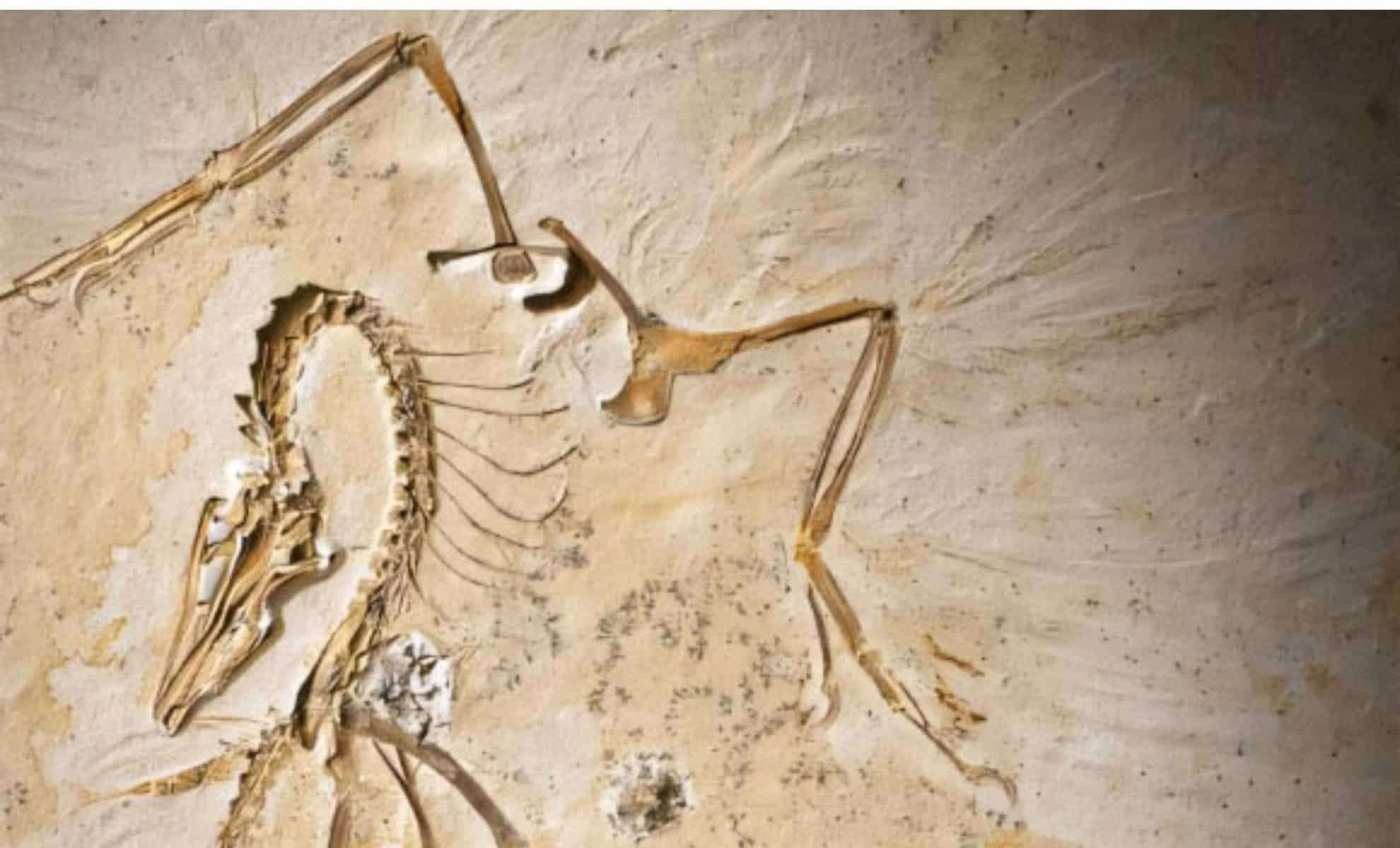
A recently unveiled fossil of archaeopteryx, a pivotal Jurassic-era creature, provides invaluable new data about the origins of birds. Known as the Chicago Archaeopteryx, this discovery represents the 14th known specimen and is distinguished by its extraordinary preservation and notably compact size—comparable to that of a modern pigeon.
Unveiling the Intricacies of Archaeopteryx Physiology
The Chicago Archaeopteryx was excavated from limestone strata near Solnhofen, Germany, a renowned site famed for its rich Jurassic fossil record, including ancient fossils. Initially uncovered by a private collector prior to 1990, the fossil stayed in private possession until a group of enthusiasts supported its acquisition by the Field Museum in August 2022. Dr. Jingmai O’Connor, associate curator of fossil reptiles at the museum, described the fossil's arrival as "very, very, very cool," emphasizing its potential to reveal new insights despite over 160 years of research on archaeopteryx.
Advanced high-resolution CT scanning and digital 3D modeling techniques allowed scientists to scrutinize the fossil in exceptional detail. This revealed a nearly intact skull, including an exceptionally well-preserved palate. Dr. O’Connor noted that the palate bones are crucial for understanding the evolution of cranial kinesis, a trait in modern birds enabling the beak to move independently from the braincase.

“Although it might seem technical, this feature is vital to evolutionary biologists because it suggests the ability to develop skulls specialized for various ecological roles, which may have contributed to birds diversifying into over 11,000 species today,” she elaborated.
Soft tissue impressions found in the hands and feet imply that archaeopteryx likely spent significant time traversing the ground and possibly could climb trees.
Insights Into Early Flight Mechanics from Wing Feather Structure
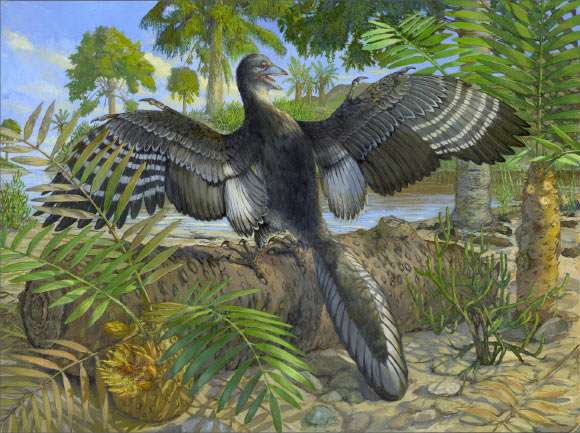
The wing feathers of the Chicago Archaeopteryx present novel evidence pertinent to debates about how flight emerged in dinosaurs. While archaeopteryx was not the first feathered dinosaur, it is recognized as the earliest known flyer. Dr. O’Connor pointed out the identification of a feather group never before documented in this species: the long tertial feathers located on the upper arm.
She explained that unlike most contemporary birds, archaeopteryx had an elongated upper arm bone, creating a gap between wing feathers and the body. This opening allowed airflow that reduced lift, complicating flight.
Modern bird species address this by possessing shorter upper arms and a set of tertial feathers that fill the gap. "Our fossil is the first Archaeopteryx specimen prepared to clearly show these long tertial feathers," Dr. O’Connor said.
How Cutting-Edge Technology Is Revitalizing Fossil Research
Investigations into the Chicago Archaeopteryx are detailed in a recent Nature publication. This work demonstrates the power of modern scanning and 3D reconstruction to reveal previously inaccessible details in fossils studied extensively for over a century.
This exceptionally preserved specimen enables researchers to further dissect early avian structural and behavioral evolution, enriching our knowledge of how flight and specialized cranial mechanics evolved during the Jurassic era.
- Categories:
- News








0 comments
Sign in to Comment