
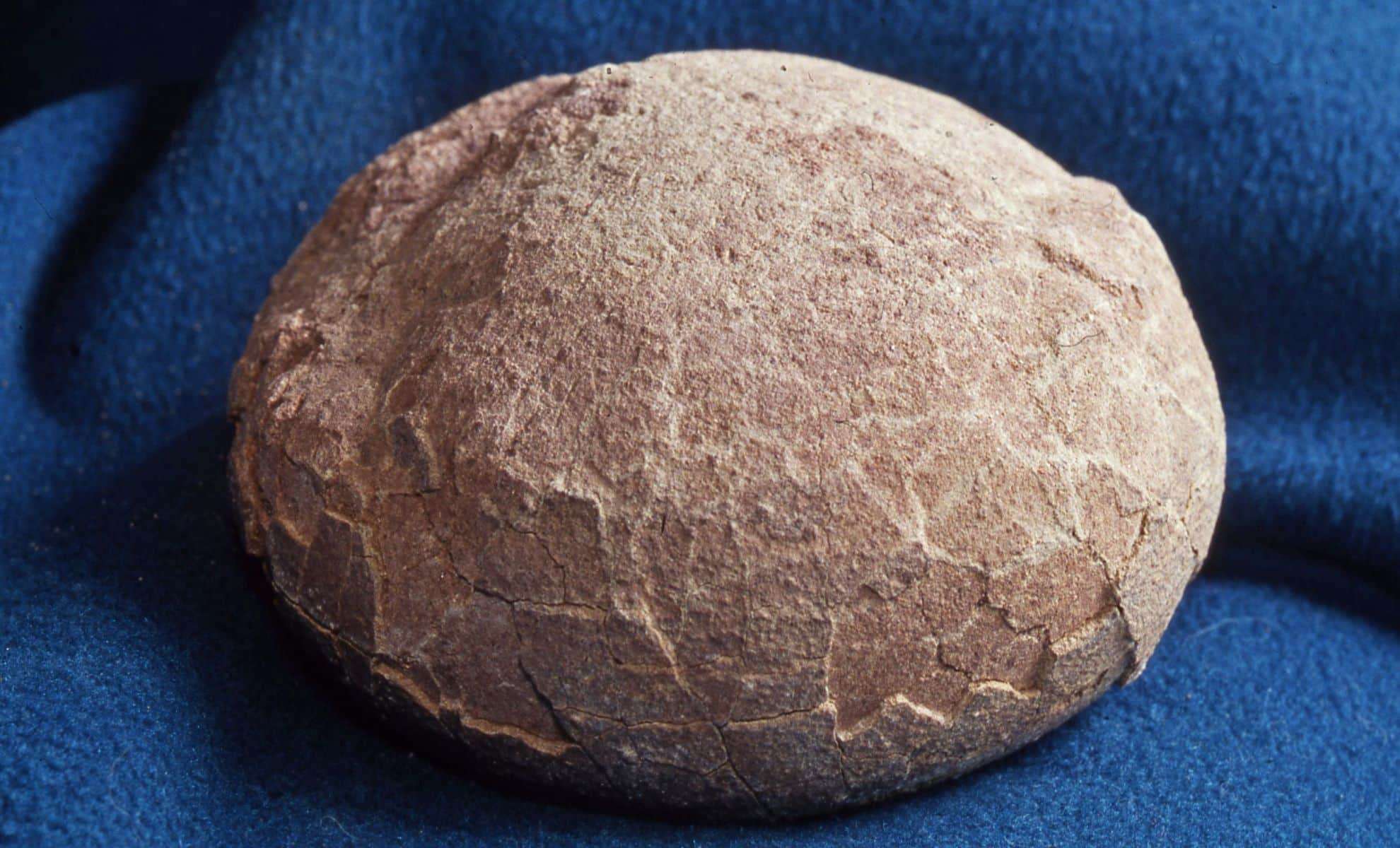
A groundbreaking find in Antarctica is prompting scientists to rethink ancient marine reptile reproduction. A huge fossilized egg, recently confirmed as soft-shelled and potentially linked to a mosasaur, could unveil reproductive methods previously unknown for these giant sea predators.
A Forgotten Fossil Unveils Unexpected Insights
Unearthed back in 2011, this remarkable egg remained unnoticed for years in the collections of Chile’s National Museum of Natural History. Initially puzzling scientists, the fossil’s distinct structure eventually attracted attention. According to a study published in Nature, the egg dates to around 66 million years ago, placing it near the close of the Cretaceous period right before the great extinction event.
Measuring more than 11 inches (27.9 cm) in length and about 7 inches (17.8 cm) wide, the fossil resembles a deflated football shape. Unlike the typical hard-shelled eggs associated with many dinosaurs, this egg lacked any rigid outer shell. It was only through meticulous examination by researchers at the University of Texas that the egg’s internal membranes were identified, revealing its soft-shelled nature.

The Second Largest Egg Ever Found
This fossil is remarkable not only for its size—ranking as the second largest egg documented from any species, past or present—but also as the largest known soft-shelled egg. Lucas Legendre, the principal investigator of the research and a specialist in the field, pointed out that the egg came from an animal comparable in size to a hefty dinosaur but differed markedly from typical dinosaur eggs. He likened it most closely to the eggs of large snakes and lizards, only on an enormous scale.
By analyzing the correlation between egg size and body length in a sample of 259 living reptile species, the team estimated that the creature laying this egg measured a minimum of 23 feet (7 meters) long excluding its tail. Given the egg’s size and antiquity, the prime candidate is a mosasaur—a dominant marine reptile of the Mesozoic seas, unrelated to dinosaurs.
Reevaluating Mosasaur Reproductive Strategies
Prior to this finding, many paleontologists thought mosasaurs gave birth to live young, similar to modern sea snakes or some sharks. Since mosasaurs were fully aquatic, it was presumed they did not return to land to lay eggs. This view positioned them as highly adapted to marine life with viviparous reproduction—where the embryos grow inside the mother.
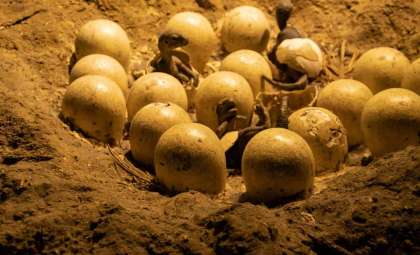
However, the discovery of a soft-shelled egg invites a reassessment. It suggests that mosasaurs might have laid eggs in water, allowing quick hatching, or possibly used sheltered coastal sites for egg-laying. Supporting evidence comes from fossilized juvenile mosasaurs found nearby, which hints at the existence of prehistoric nursery habitats.
Rewriting the Evolution of Marine Reptile Reproduction
This Antarctic fossil could spark a broader reconsideration of reproductive evolution in marine reptiles. The existence of an enormous soft-shelled egg indicates that egg-laying might have been more common than previously recognized and that the transition from laying eggs to live-bearing may have happened progressively across species and environments.
Should further research confirm the mosasaur origin of this egg, significant revisions to the evolutionary understanding of aquatic reptile reproduction could follow. This rare find underscores the gaps in the fossil record and how a long-forgotten specimen can dramatically reshape our knowledge of ancient marine life.
- Categories:
- News



0 comments
Sign in to Comment