
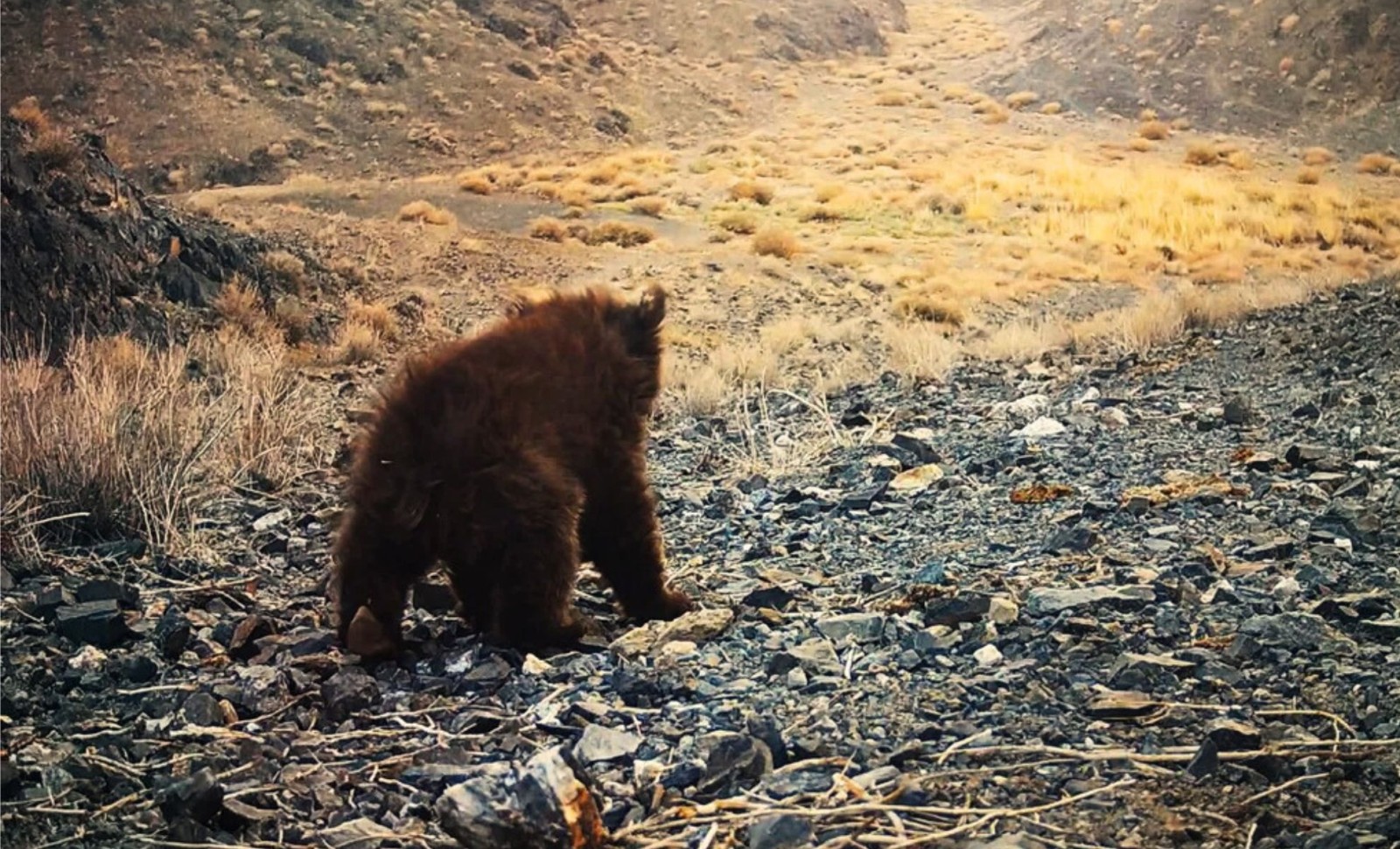
Deep within Mongolia’s Gobi Desert, a remarkable sight has been documented: one of the planet’s rarest creatures, the Gobi bear, observed accompanied by her offspring.
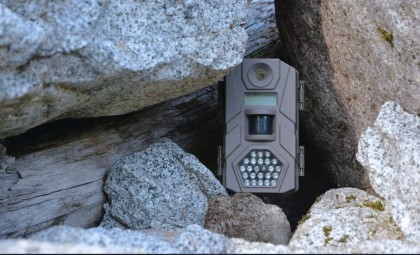
Automated camera traps deployed for the documentary series The Wild Ones have captured footage of a female Ursus arctos gobiensis—a critically endangered brown bear subspecies—moving alongside her cub. This represents a key discovery in wildlife research since fewer than 40 Gobi bears are estimated to remain, making them among the rarest large mammals alive.
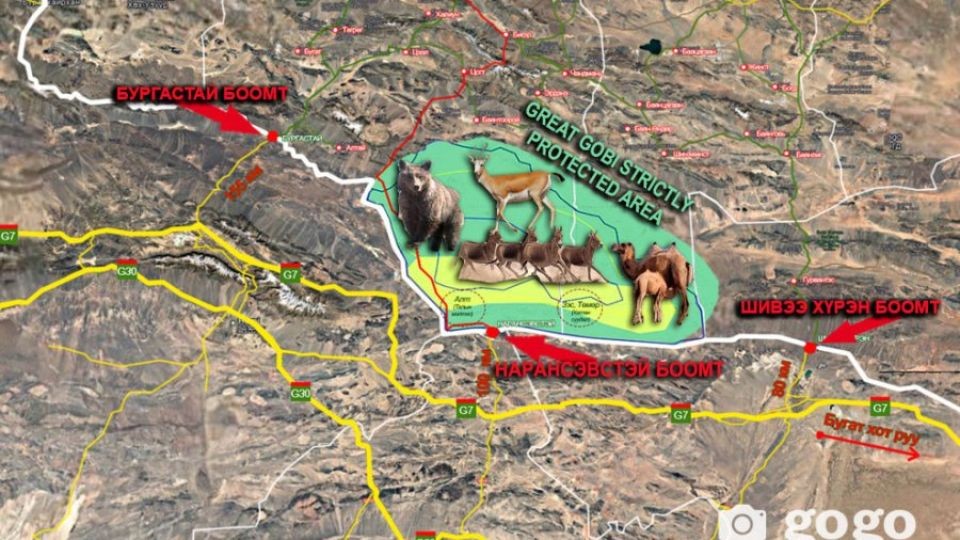
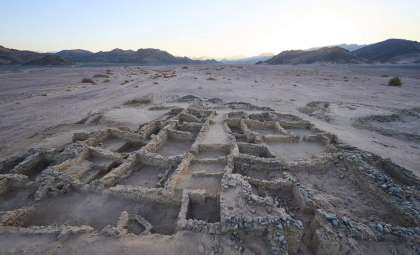
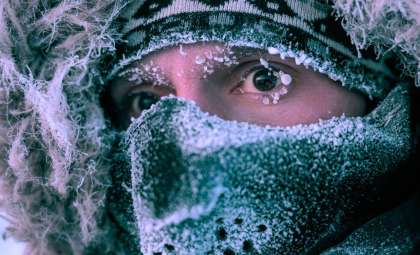
The footage was taken within the Great Gobi Strictly Protected Area, a remote sanctuary rarely explored by scientists or visitors. Characterized by extreme weather fluctuations, temperatures here can drop to –40°C in winter and rise above 40°C during summer, with water sources dispersed across vast distances exceeding 100 miles.

Survival in One of the Planet’s Most Extreme Habitats
Locally named Mazaalai, the Gobi bear is uniquely adapted to desert environments. Unlike other bear species thriving in cooler climates, this bear subsists mainly on wild rhubarb, arid grasses, and desert onions. Animal protein is a minimal part of its diet, accounting for roughly 1%.
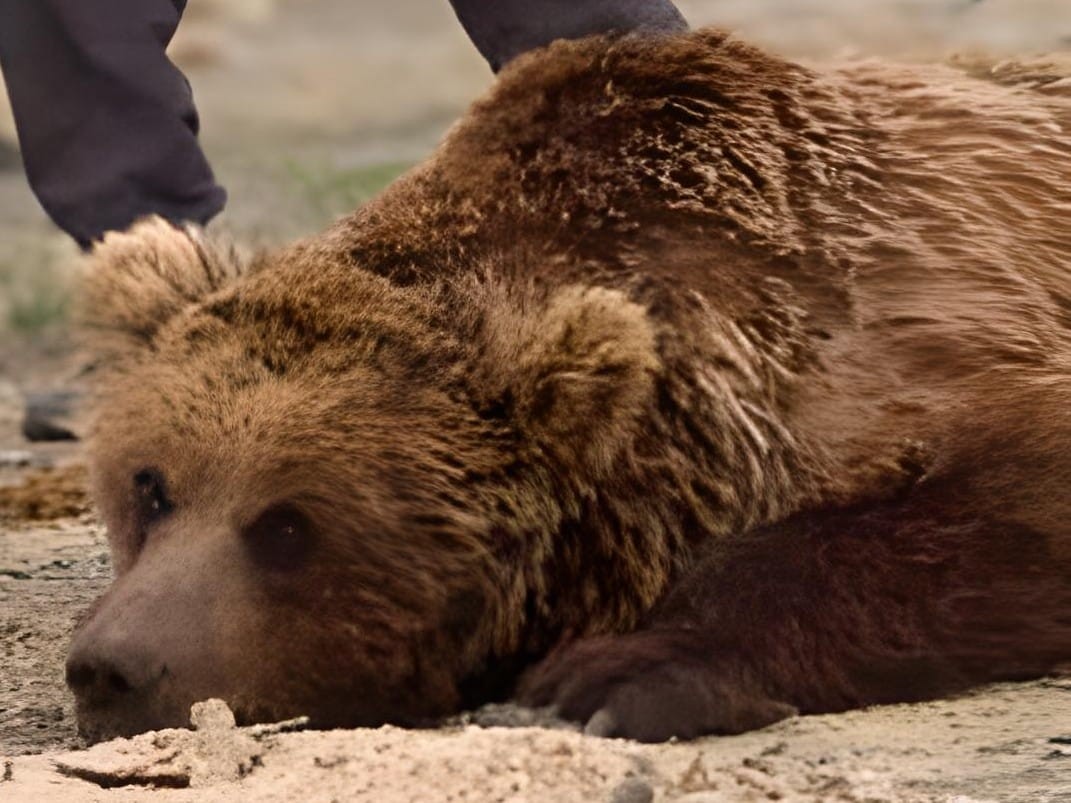
Physically distinct from other brown bears, these bears tend to be smaller, have lighter coats, and a leaner physique. Their energy conservation and expansive desert travel to isolated waterholes are critical to their survival.
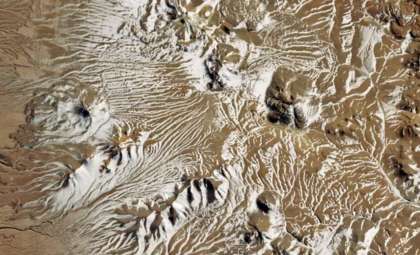
Population estimates have lingered below 40 for many years, with little indication of growth. Most individuals inhabit just three oases within the Great Gobi “A” reserve, a protected region established in 1976 to safeguard endangered species in an area receiving under 100 mm of annual rainfall.
Recent documentaries have increased global awareness of the Gobi bear. A BBC Asia segment documented one adult bear traversing over 160 kilometers through dunes to reach a water source, highlighting the extreme environmental challenges these bears endure.
Encouraging Evidence from Camera Trap Study
Filmmakers from The Wild Ones on Apple TV+ used more than 350 remote cameras, together with thermal sensors and satellite-monitored drones, to observe wildlife in harsh ecosystems without intruding directly.
Following prolonged monitoring in Mongolia’s southern Gobi, rare footage emerged showing a mother bear with her cub. This precious recording offers hope that the bear population is still breeding, suggesting potential for species recovery.
Producers will submit this material to the UNESCO’s World Heritage Committee to bolster conservation advocacy. These insights also contribute valuable data on population size, supplementing prior research reliant on camera traps and genetic sampling.
Ongoing Threats Jeopardize Future Survival
Despite the positive sign, the Gobi bear population faces ongoing difficulties. Isolated ecologically, genetic diversity is limited due to inbreeding. Climate change is making reliable water access more precarious, with many springs drying up earlier each year.
Conservation efforts include supplemental feeding, close habitat surveillance, and collaboration with organizations like the International Association for Bear Research and Management (IBA). Still, geographic remoteness and scarce resources limit the effectiveness of these initiatives.
A 2015 conservation report highlighted risks such as reduced reproductive rates and genetic bottlenecks. To date, no Gobi bear has been detected beyond the protected area in over twenty years.
- Categories:
- News





0 comments
Sign in to Comment