

As the Northern Hemisphere transitions out of summer, researchers are raising concerns about an unprecedented Arctic ice melt season that could dramatically influence winter climate patterns across North America and Europe.
Recent evaluations by Severe Weather Europe alongside data from the National Snow and Ice Data Center (NSIDC) reveal that the Arctic sea ice coverage has dropped to record-breaking lows for this period, even outpacing the notorious melt in 2012. This decline results from a combination of elevated temperatures, oceanic warming, altered wind flows, and a diminishing polar vortex, all potentially reshaping global winter weather.
Rapid Ice Loss and Rising Ocean Temperatures
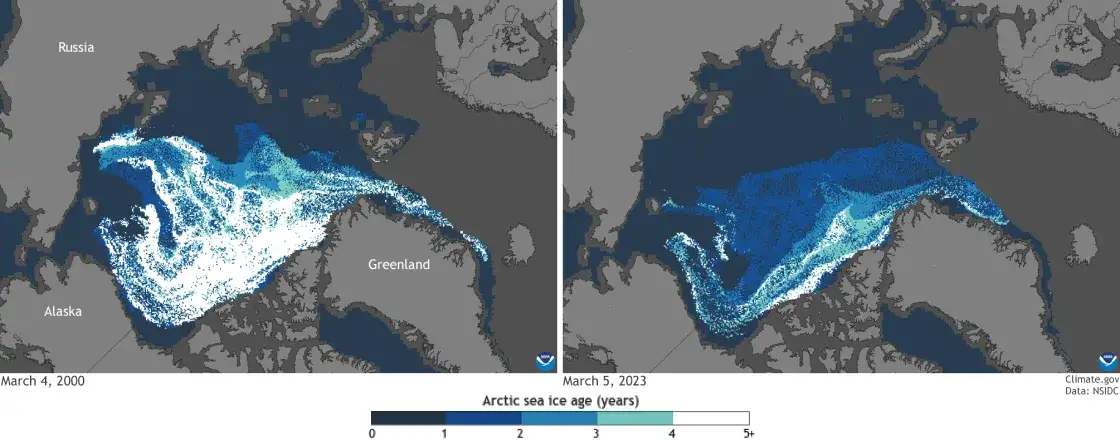
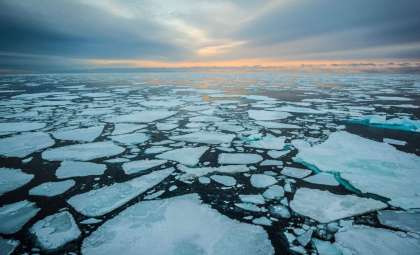
The Arctic ice is currently thinner, reduced in area, and less resilient than it has been for many years. By late June, satellite observations indicated that the sea ice area was about 0.6 million square kilometers less than the levels seen in 2024—a remarkable decline given that the melting phase typically extends into September. This places the 2025 ice melt among the most severe on record.

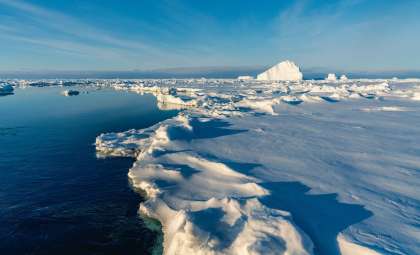
The danger is amplified by the vast amount of heat the now-exposed Arctic Ocean absorbs. While ice surfaces reflect roughly 50% to 70% of incoming sunlight, the open water reflects only around 6%, absorbing the remainder and further accelerating ice loss.
This sets off a feedback process where reduced ice leads to greater heat absorption, which in turn results in even less ice in subsequent years. The NSIDC details this “albedo effect” in its comprehensive sea ice primer, highlighting its crucial role in amplifying polar climate warming.
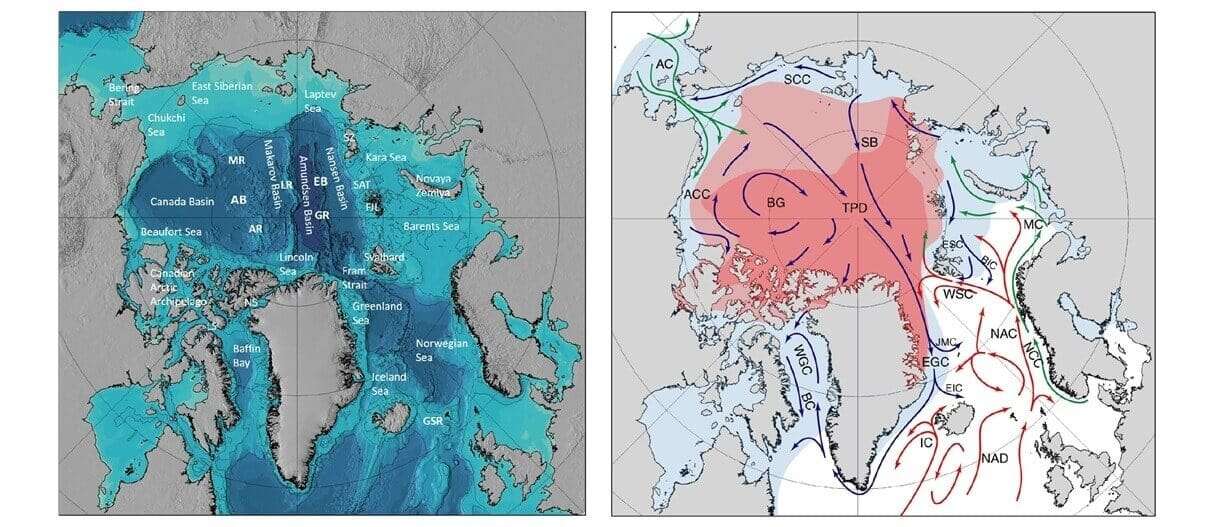
Meanwhile, the ocean’s heat content continues to rise. A NOAA Climate.gov report states that more than 90% of excess heat from greenhouse gases is stored within the world’s oceans, particularly in the upper 700 meters where it impacts sea ice conditions directly. From 1993 through 2024, ocean temperature has increased steadily at about 0.66 to 0.74 watts per square meter.
Increasing Stress on the Polar Vortex
The Arctic’s warming and ice loss also affect the atmosphere far above, in the stratosphere, home to the polar vortex. This large, swirling pool of cold air usually confines Arctic chill during winter months, keeping frigid conditions mostly above the Arctic Circle.
However, reduced sea ice weakens this atmospheric structure. According to Severe Weather Europe in their detailed report, this weakening distorts the jet stream — a major upper-atmosphere wind current guiding weather—potentially leading to more extreme cold outbreaks in temperate regions.
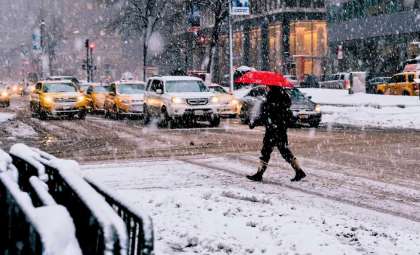
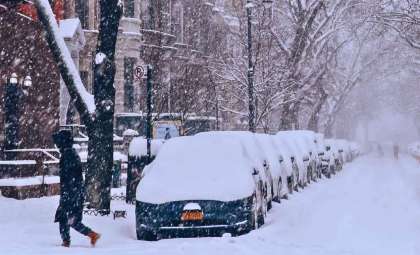
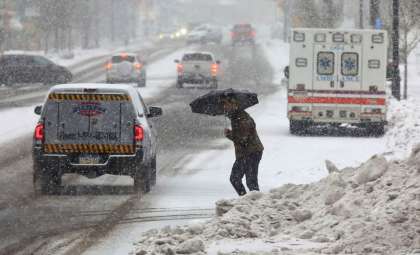
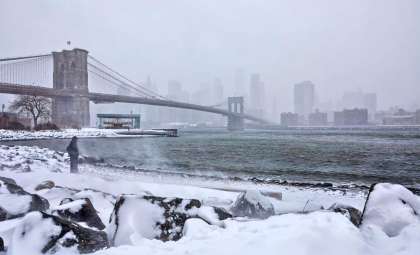
“When the polar vortex is strong and steady, the jet stream remains stable, bringing milder winter conditions to mid-latitudes,” the analysis explains. “Conversely, a weak vortex often causes the jet stream to meander, allowing cold Arctic air to move southward, triggering colder winters in areas like the eastern U.S., central Canada, and Northern Europe.”
This pattern is supported by past observations where diminished autumn sea ice precedes notably harsh winters, especially following sudden stratospheric warming events (SSWs) that disrupt or even collapse the vortex. These SSWs have been connected to severe cold episodes such as the 2018 Beast from the East in Europe and the 2021 deep freeze in Texas.
Monitoring September Ice Levels and Seasonal Outlook
Attention now focuses on September, the month when Arctic sea ice reaches its usual annual low point. If melting trends continue, 2025 could break previous records and lower the ice extent beyond 2012’s benchmark, a milestone that surprised the scientific community and altered climate expectations.
Current seasonal weather models from ECMWF predict dominant high-pressure systems over the Arctic central region, a condition that enhances melting by introducing warmer air and clearer skies that increase solar heating.
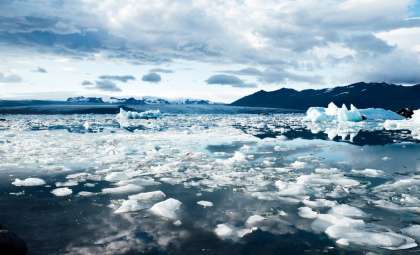
In addition, ice depth and volume measurements indicate dramatic reductions. Visual analyses shared by climate researchers including Zachary Labe reveal that recent ice cover is not only diminished but noticeably thinner, especially near the Beaufort Sea, northern Canada, and Siberia. This thin ice is prone to rapid melt and fragmentation by wind and currents, suggesting it will struggle to endure through the remaining melt period.
- Categories:
- News ,
- Science ,
- Climate change





0 comments
Sign in to Comment