
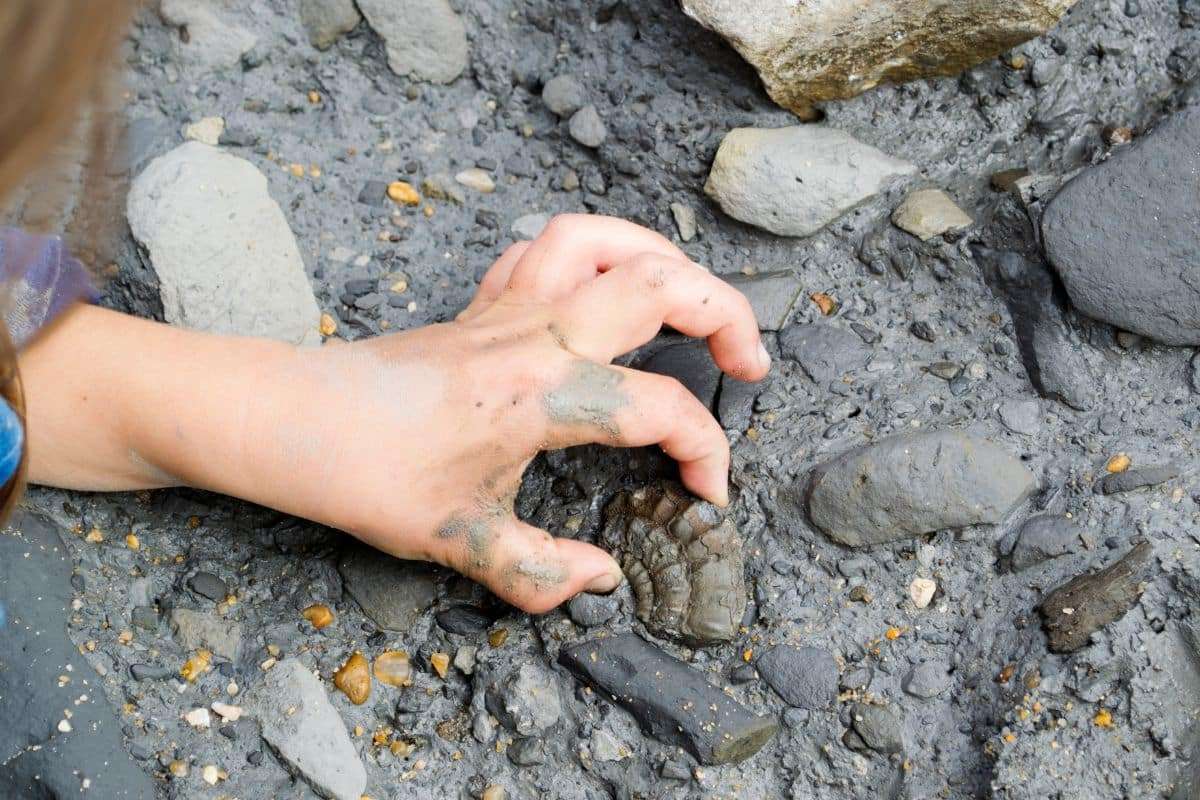
For over fifty years, fossilized bones discovered in central Japan were heralded as a pivotal find in tracing early human settlement in the region. However, a recent investigation led by Gen Suwa at the University of Tokyo uncovered a surprising truth: what was once thought to be ancient human bones actually belonged to a prehistoric brown bear.
Reevaluating the Origins: From Early Humans to Bears
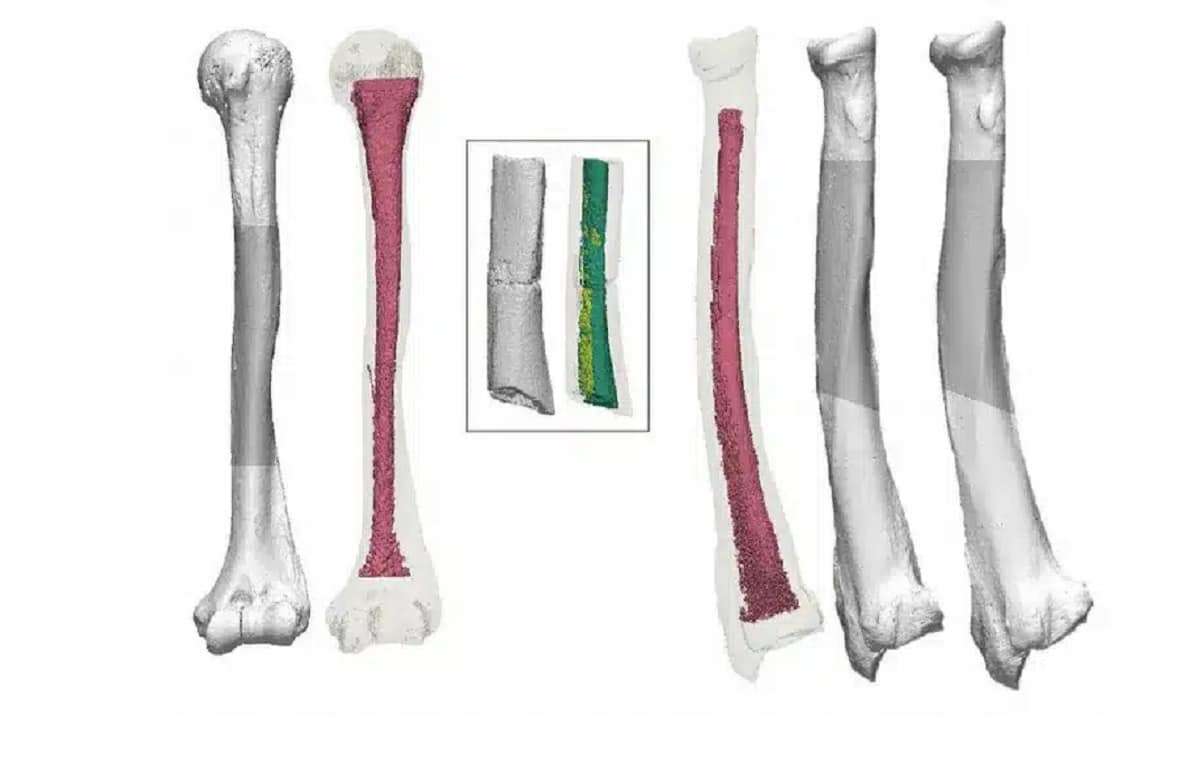
The fossils were initially found in the 1950s near Toyohashi and included parts such as a humerus and partial femur. Estimated to be around 20,000 years old, these bones were long believed to be the oldest proof of human existence in Japan.
Questions arose by the late 1980s as scientists noticed inconsistencies in the anatomy compared to known hominin remains, including the notable “Man of Akashi.” Despite growing skepticism, the fossils remained classified as human due to limited additional evidence.

It wasn’t until Suwa and his team applied sophisticated CT scanning technology that the truth became clear: these bones were not human. “The fossils once thought to be human have now been confirmed to come from an ancient brown bear (Ursus arctos)“.
Revising Japan’s Early Human History
This discovery significantly alters the timeline for when humans first inhabited Japan. The Toyohashi fossils are no longer considered the earliest human remains, shifting attention to other findings like those from Hamakita along the Pacific coastline, which date between 14,000 and 17,000 years ago and likely originate from at least two different individuals.
Even earlier human evidence, although not skeletal remains, has been uncovered in the Ryukyu Islands, bridging Japan and Taiwan. These discoveries, dating back around 32,000 years, provide insight into ancient migration and population spread across island groups.
The Challenges of Correctly Interpreting Fossils
Misidentifications like this are relatively frequent in paleontology. Fossil interpretation is challenging, especially with fragmented remains and limited diagnostic tools.
A similar instance took place in the 1990s in Alaska, where a bone initially assigned to a bear was eventually confirmed as part of the skeleton of a 3,000-year-old Native American woman .
Modern Technology Transforms Archaeology
The reassessment of the Ushikawa fossils showcases how breakthroughs in technology continually reshape archaeological understanding.
With tools like CT imaging and detailed comparative assessments, scientists can now identify subtle differences in anatomy that previous generations would have likely missed.
“The misidentification of the Ushikawa fossils serves as a powerful reminder of how much science depends on continuous reevaluation,” the report notes.
When Fossils Rewrite History
Uncovering that Japan’s oldest human fossils are actually bear remains is more than just a historical revision—it highlights the evolving nature of science.
“Ultimately, this unexpected discovery not only reshapes Japan’s human timeline—it also reflects the humility of science itself: always questioning, always learning, and never afraid to revise the story when the evidence calls for it.”
- Categories:
- News





0 comments
Sign in to Comment