
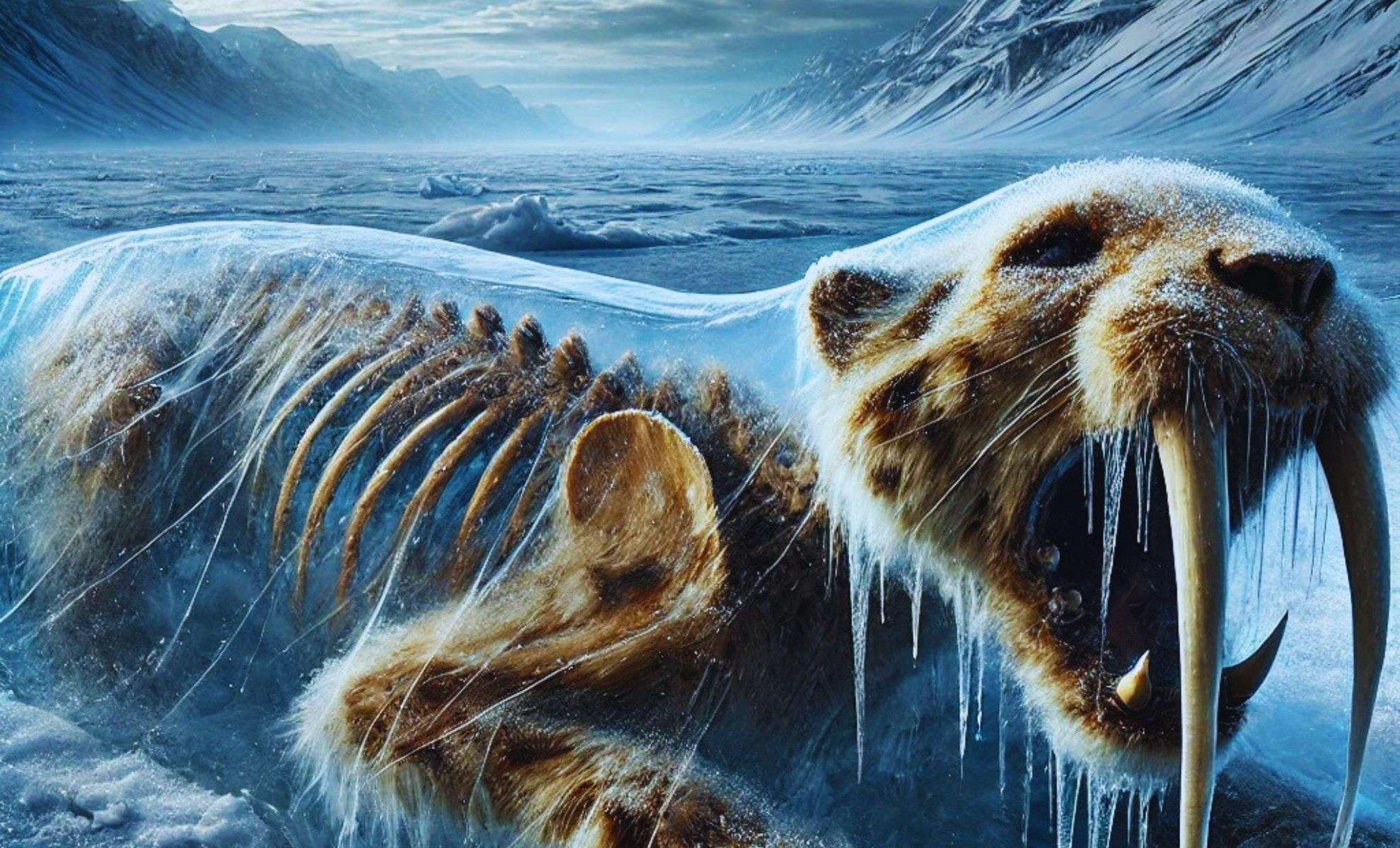
In a remarkable 2020 discovery, explorers hunting for mammoth tusks in eastern Siberia uncovered a rare treasure: a mummified saber-toothed cat cub preserved in permafrost for more than 37,000 years. This unprecedented specimen opens new windows into the life of this iconic Ice Age predator.
Revealing an Ancient Predator
The cub was located near the Badyarikha River in the icy expanse of Siberia. Recognizing its significance, the finders handed it over to the Russian Academy of Sciences for detailed study. Experts confirmed the animal belonged to the extinct genus Homotherium, a lion-sized hunter unlike any living feline. Reported in Scientific Reports, this specimen offers not only skeletal remains but also well-preserved skin and fur.
What Sets This Find Apart?
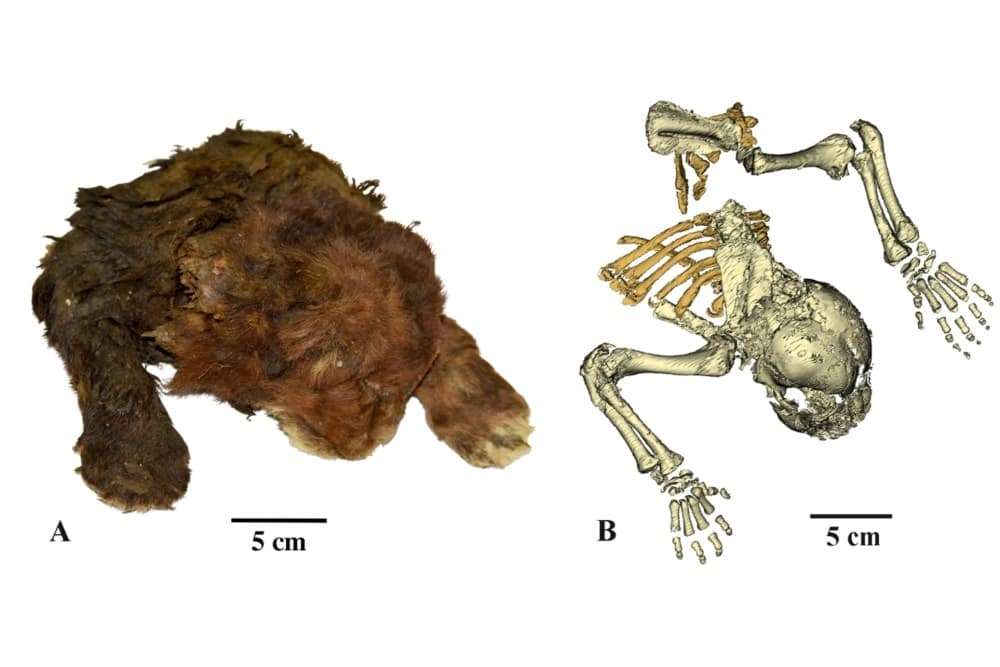
Although fossils of saber-toothed cats have been uncovered before, this discovery is notable as the first complete mummy featuring muscle tissue, skin, and fur. Estimated to be merely three weeks old, the cub reveals vital anatomical details that improve our understanding of Homotherium:

- Physique: Homotherium resembled a lion in size with a sturdy, elongated frame. The cub’s preserved front limbs indicate it inherited the species’ hallmark long legs and broad shoulders even at a young age.
- Paw Design: Its paws are rounded with square pads — distinct from today's cats — and lack carpal pads, possibly an adaptation for moving across icy terrains.
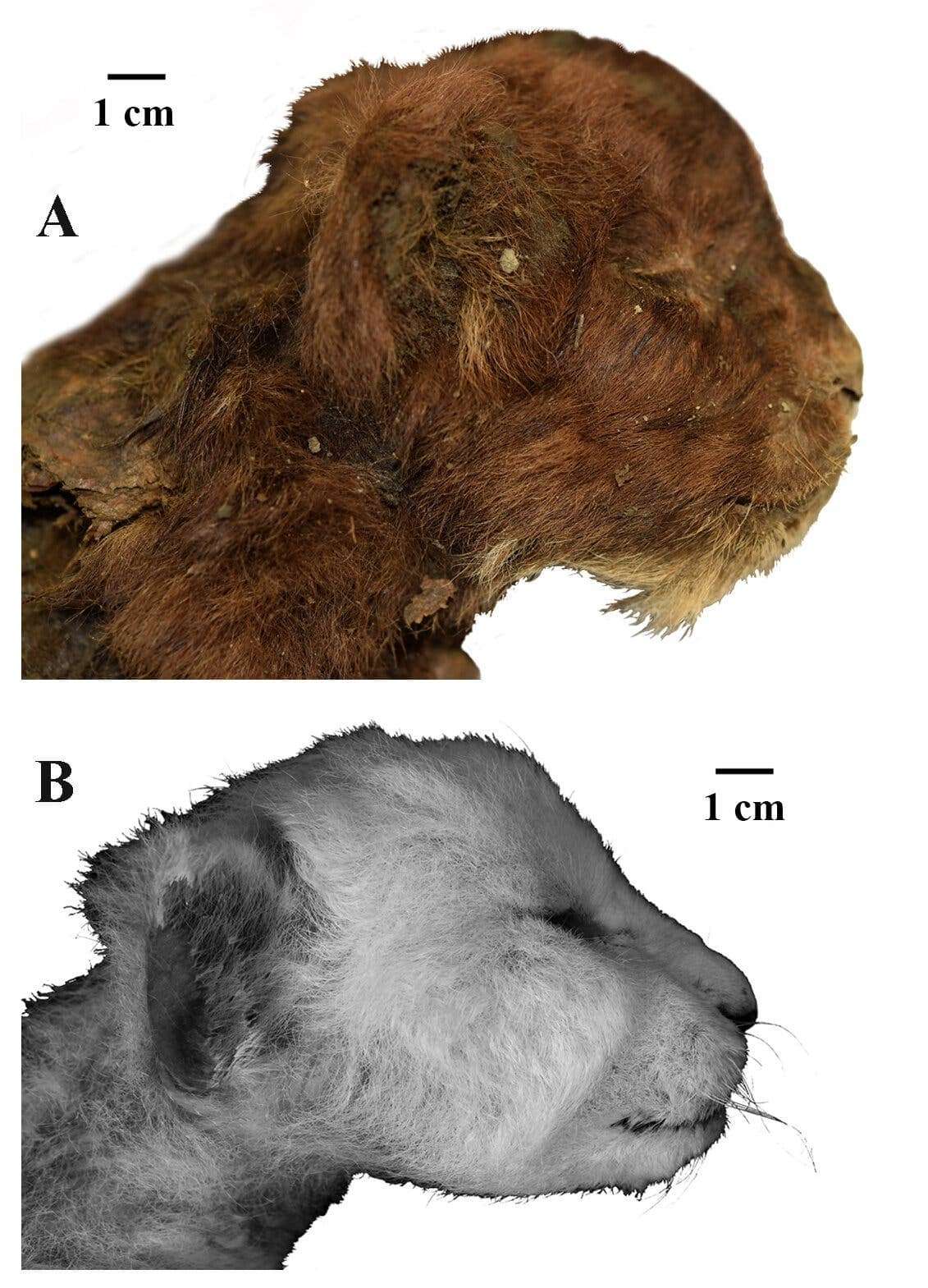
- Coat: The cub’s dense, dark brown fur shows no sign of spotting, unlike many modern big cats’ cubs. Scientists speculate this could be an evolutionary trait or a result of preservation effects.
Dental and Jaw Features
The cub’s fangs were not fully developed, but CT scan analysis uncovered jaw structures indicating significant evolutionary traits, including:
- Extended upper lips: About twice as long as those of present-day lion cubs, implying that adult Homotherium might have possessed retractable saber teeth.
- Specialized teeth: Early development patterns consistent with a highly carnivorous diet akin to other saber-toothed species.
Adaptations to a Frozen Wilderness
Experts believe Homotherium thrived in the open tundra and steppe environments of the Ice Age:
- Strong neck muscles: Structural features suggest powerful necks used to subdue large prey.
- Thermal fur: The thick, consistent coat likely aided in retaining body heat under frigid conditions. Further studies will assess the extent of fur preservation.
Implications for Paleontological Research
This discovery represents a major leap forward in the study of saber-toothed cats and broader Ice Age ecosystems. While previous finds primarily involved species with existing descendants, Homotherium belongs to an entirely extinct lineage, offering fresh perspectives on predator evolution.
As Siberia’s permafrost gradually thaws, scientists are keen to locate additional specimens, including adult Homotherium remains. Such evidence may furnish a comprehensive understanding of this ferocious predator’s lifestyle, ecology, and evolutionary history during the Ice Age.
Current anatomical and genetic analyses of the cub are just the initial phase of unlocking the secrets of one of Earth’s most formidable ancient hunters.
- Categories:
- News









0 comments
Sign in to Comment