
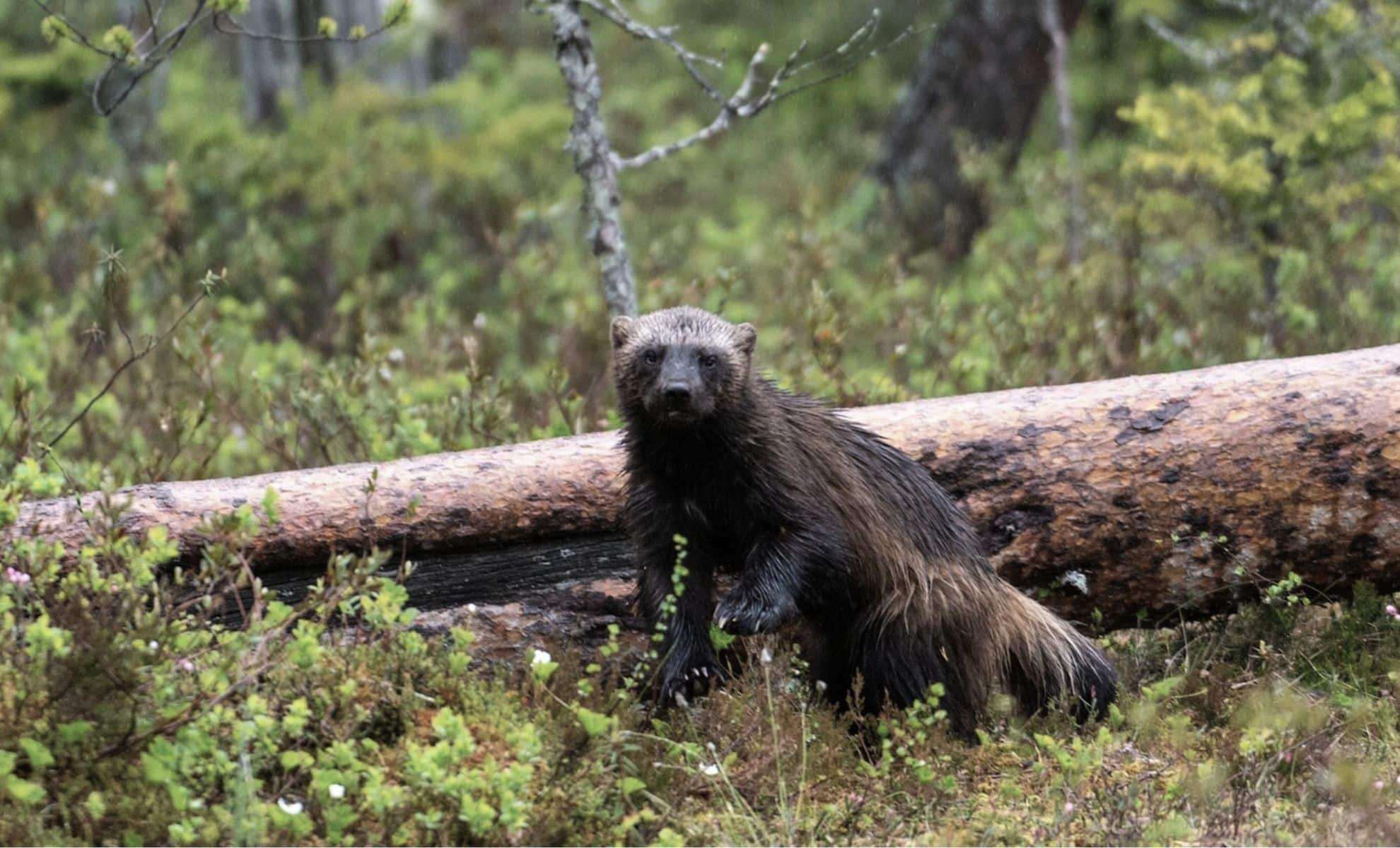
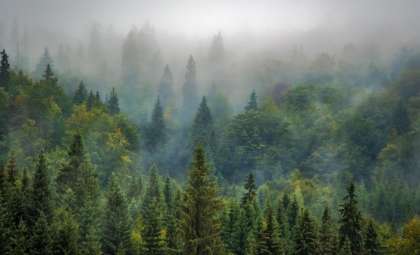
Deep within the lush woodlands of southern Finland, the elusive wolverine is quietly reclaiming its former range. Once driven to local extinction by relentless hunting, this resilient predator is now gradually returning after decades away. Scientists monitoring its movements highlight this resurgence as a hopeful sign of species restoration in a region where the wolverine was once presumed extinct.
Using Satellites to Uncover Hidden Movements
Researchers from Aalto University in Espoo, Finland, have documented the wolverine’s gradual reappearance through advanced technology. By merging satellite data with direct field surveys, they tracked the elusive species deep in forests situated well south of its established territories.
Miina Rautiainen, an expert in remote sensing and co-author of a recent study featured in Ecology and Evolution, stressed how crucial technological tools have been. “Remote sensing provides invaluable insights,” she explained, enabling ecologists to monitor how shifting forests impact wildlife in otherwise hard-to-reach regions.

The investigators integrated data on snow tracks with national forest inventories derived from satellite images and ground measurements. Their results show wolverines favor mature deciduous forests roughly a decade post-clear-cutting, rather than freshly harvested woodlands. This trend highlights the value of forest age and composition for sustaining critical habitat.
Reclaiming Historic Territories
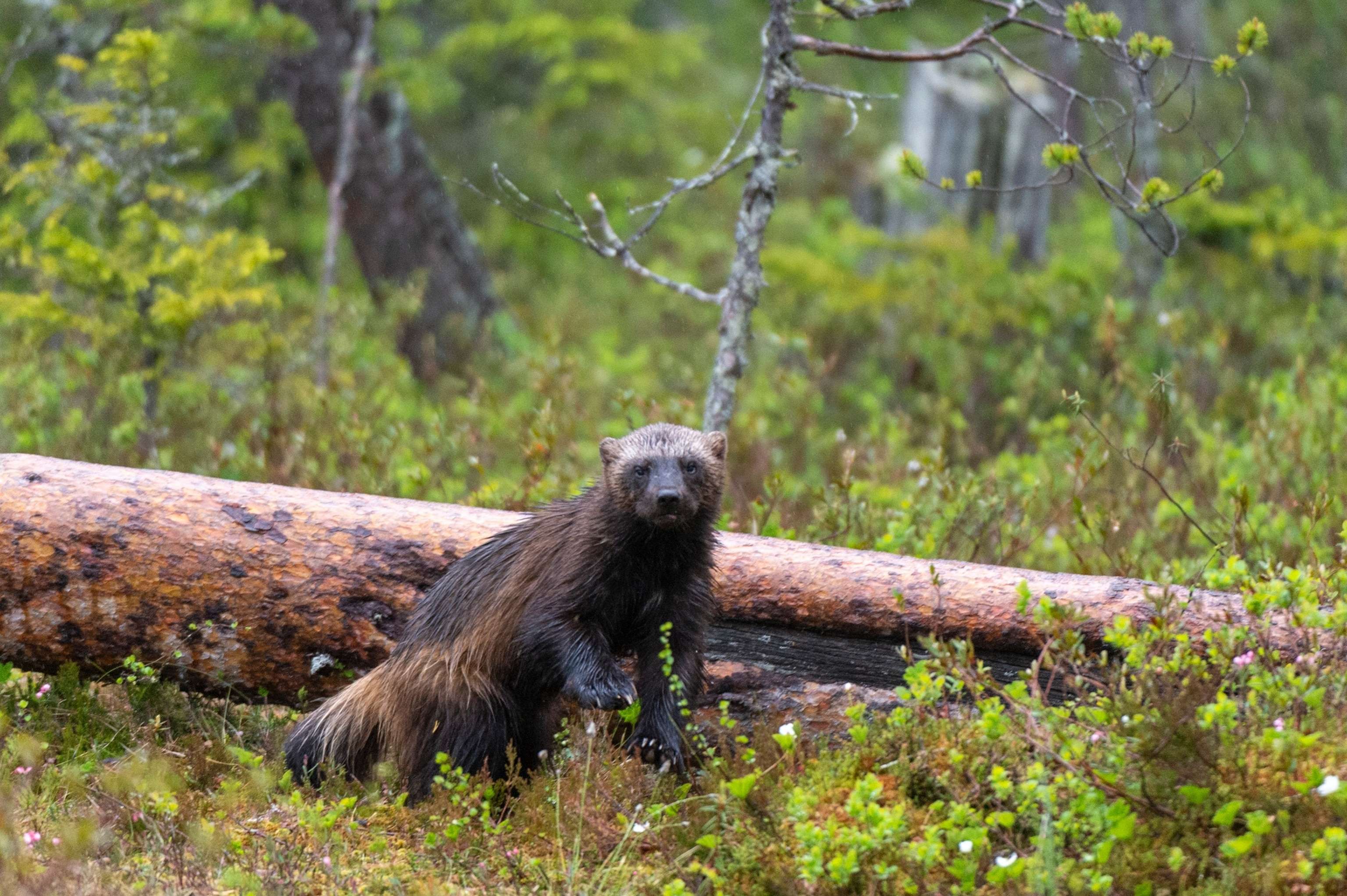
Wolverines historically occupied vast stretches of Northern Europe, including regions in southern Sweden, northeast Poland, and southern Finland. Intense hunting reduced their numbers dramatically, restricting them mainly to northern reaches of Norway, Sweden, Finland, and Russia. By the 1980s, the wolverine was deemed endangered in Finland, having vanished from southern woodland areas where it once thrived.
Pinja-Emilia Lämsä, doctoral candidate at Aalto University and lead author on the study, pointed out that earlier investigations concentrated on mountainous regions with distinct vegetation types. Their findings emphasize the significance of southern Finland’s lowland boreal forests, particularly those rich in deciduous trees, which may be crucial to supporting the species’ comeback.
Obstacles in a Patchy Environment
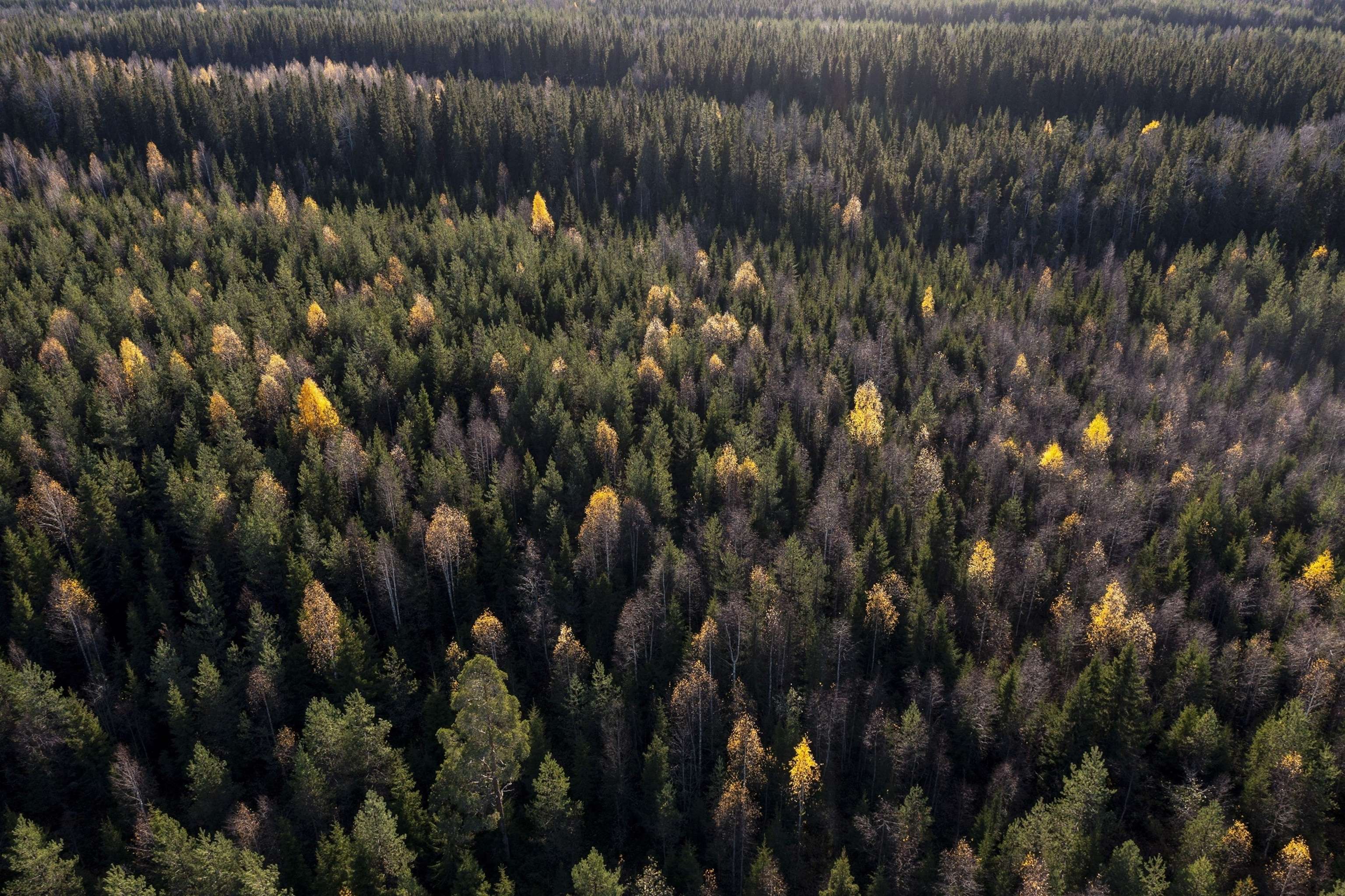
While population metrics show promising increases, wolverines still face significant threats. The generally small forest compartment size in Finland results in fragmented habitats that challenge their ability to roam and survive. “Fragmentation is a major concern for wolverines,” the team noted. The species prefers extensive, uninterrupted forest expanses and avoids areas recently clear-cut, indicating its vulnerability to habitat changes.
The Finnish wolverine population remains limited, exhibiting low genetic variation and uneven distribution, factors that maintain its endangered status. This research highlights the importance of understanding habitat dynamics to guide effective conservation and ensure the species adapts and thrives in evolving landscapes.
- Categories:
- News






0 comments
Sign in to Comment