
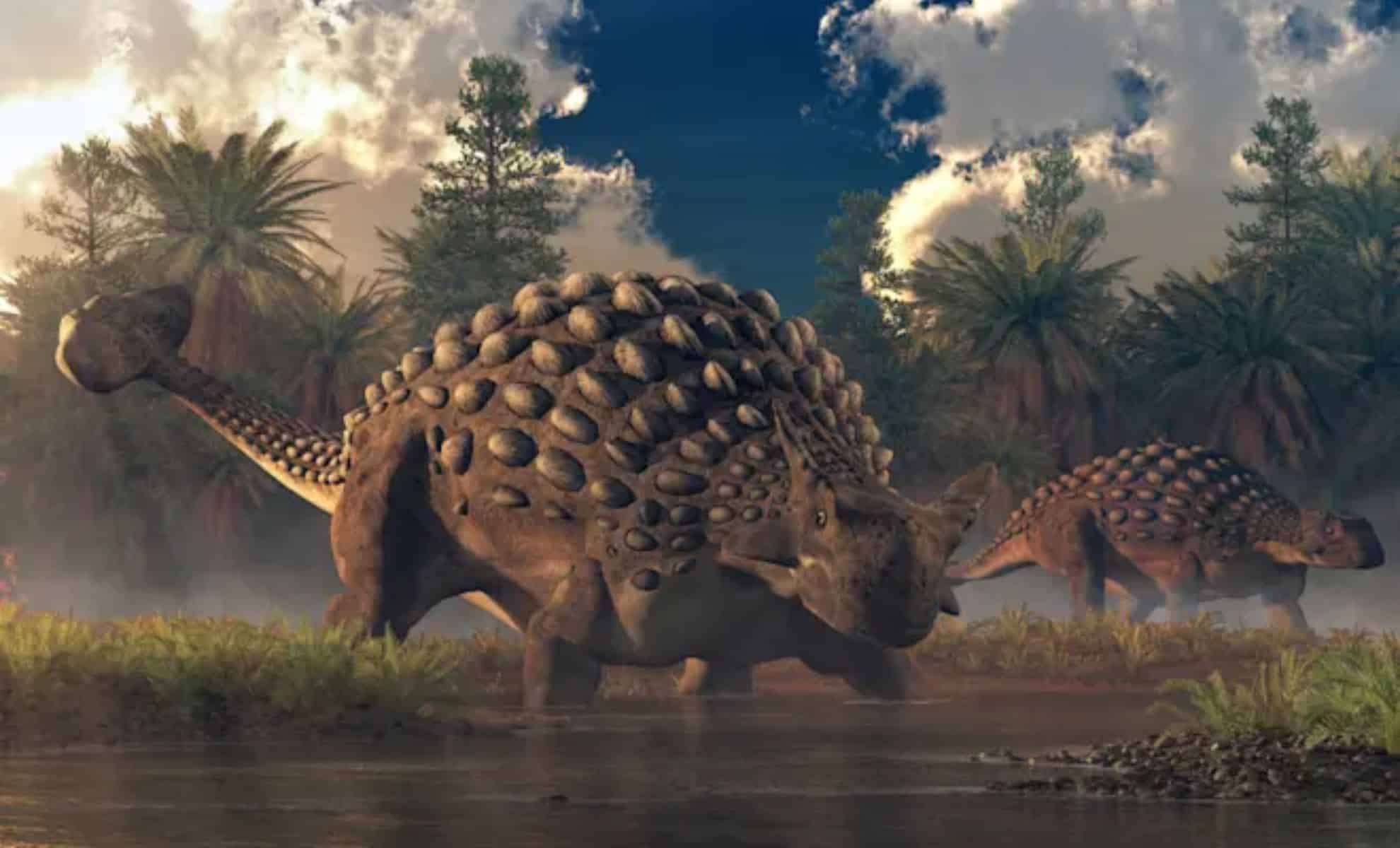
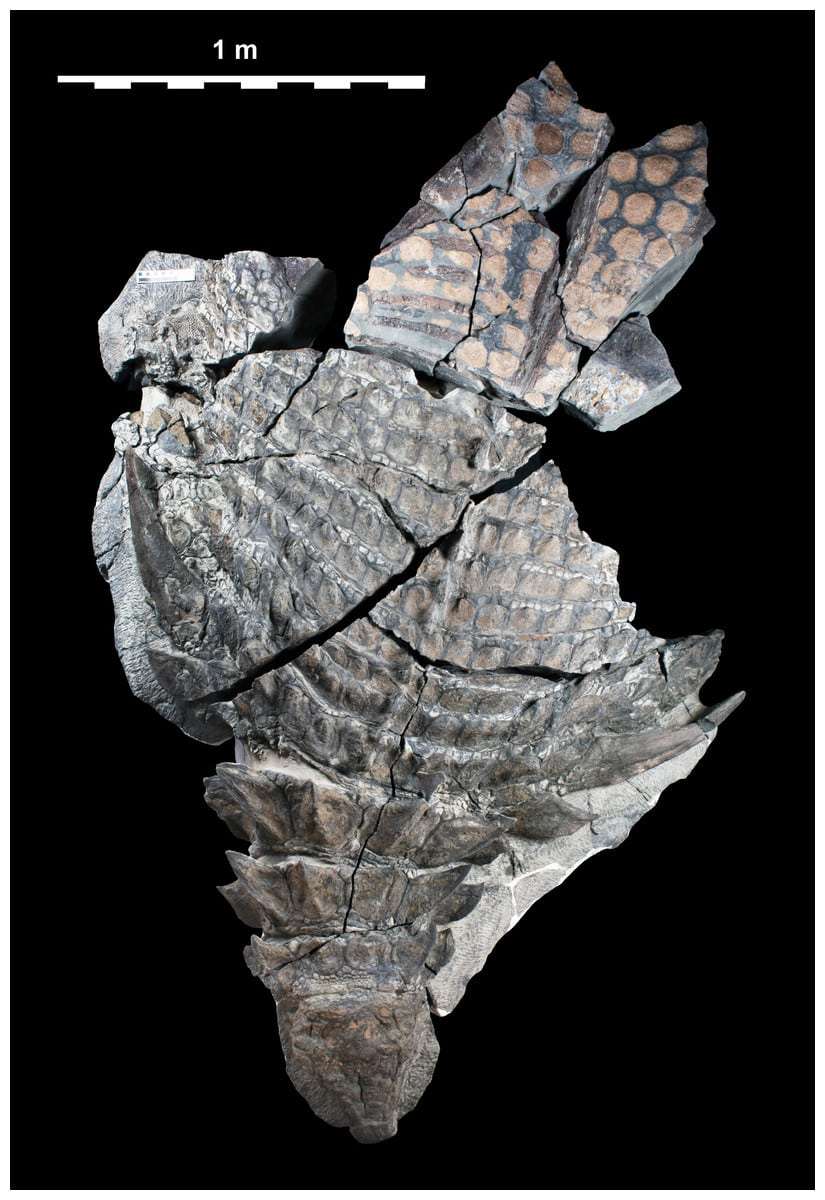
During a 2011 excavation in an open-pit mine in Alberta, Canada, paleontologists uncovered an extraordinary fossil of an armored dinosaur with its skin, armor, stomach contents, and facial characteristics astonishingly intact.
This specimen ranks among the most exquisitely preserved dinosaur fossils ever uncovered, offering scientists an unparalleled glimpse into its lifestyle, diet, and behaviors, including potential mating displays. Numerous investigations led by the Royal Tyrrell Museum have thoroughly examined this discovery with remarkable findings.
Buried on the Ocean Floor of a Long-Gone Sea
Fossilization generally occurs when an animal is rapidly covered by sediment like sand or mud after death. However, this Borealopelta markmitchelli—a bulky, quadrupedal armored dinosaur—followed an uncommon fossilization route.

Scientists believe it died near a riverbank, was carried out to sea by a flood, and eventually settled on the seabed. Unlike many terrestrial creatures, it escaped scavengers and decomposition long enough to be preserved. According to Dr. Donald Henderson, curator at the Royal Tyrrell Museum, it likely rested in a marine zone avoided by large fish and plesiosaurs.
This fortunate resting spot, coupled with its protective armor, helped the dinosaur remain intact, slowly fossilizing with skin and detailed features preserved.
Armor Possibly Served as Mating Displays Rather Than Defense
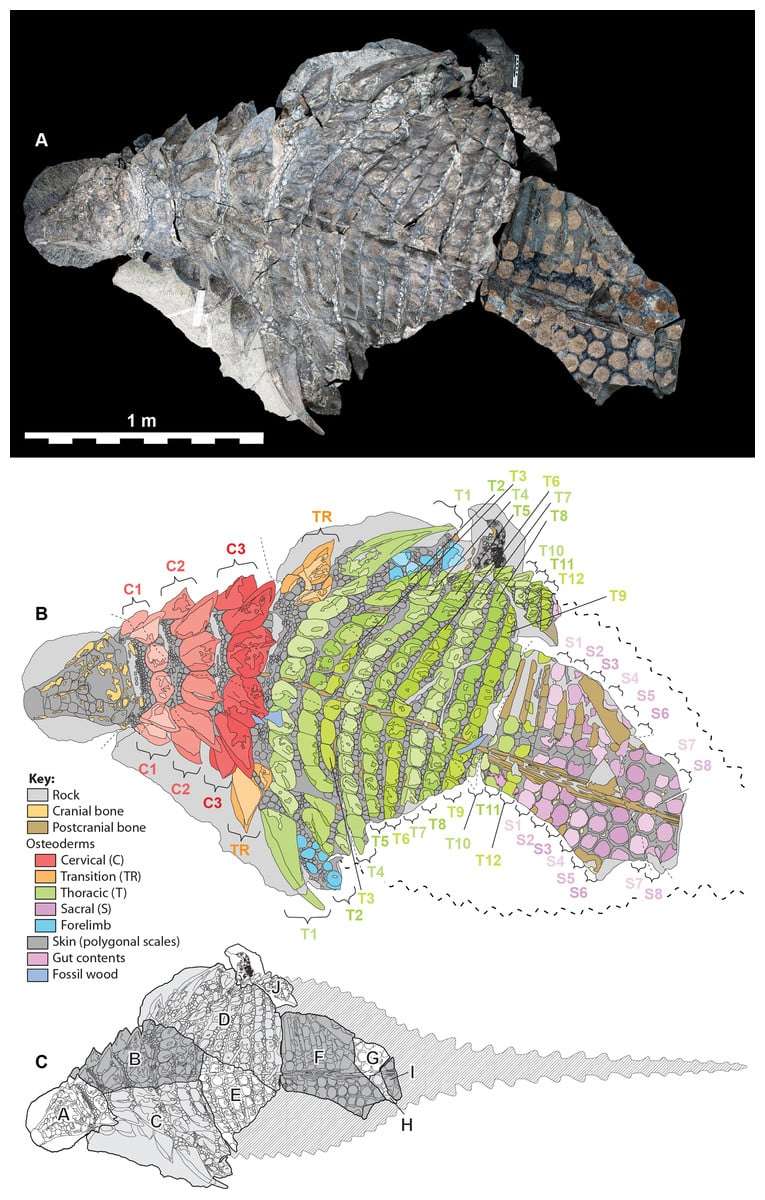
The fossil’s nearly complete bony armor is striking, featuring 172 osteoderms lining the dinosaur’s back.
Initially assumed to provide protection, Caleb Brown’s research suggests some spikes—particularly on the shoulders—may have played a role in sexual attraction, not just deterrence of predators.
Previous data indicated a large shoulder spike had a distinct coloration. Alongside the shape and arrangement of the osteoderms, this implies Borealopelta could have used its armor as a striking form of visual communication, effectively advertising to others in its species.
Last Meal Preserved Inside Its Stomach
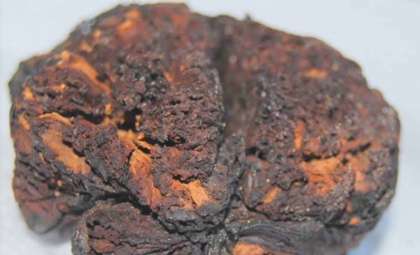
An equally compelling aspect is the fossilized remains of the dinosaur’s stomach contents. These detailed remnants confirm that Borealopelta was herbivorous but selectively fed on certain plants rather than eating everything indiscriminately.
This glimpse into its final meal sheds light on the complex ecosystems of the Cretaceous period and suggests these herbivores made dietary choices, enriching our understanding of prehistoric plant-animal interactions.
Unexpected Camouflage in an Armored Dinosaur
One of the most surprising revelations came from examining the dinosaur’s skin, revealing evidence of countershading—a camouflage method where the animal’s back is darker than its belly. This adaptation is common among modern prey species like deer and gazelles, helping them blend with varied light conditions outdoors.
Though armored, Borealopelta appeared to benefit from camouflage, suggesting even well-defended herbivores sought concealment. This finding hints that life during the Cretaceous was more perilous than traditionally thought.
- Categories:
- News





0 comments
Sign in to Comment