
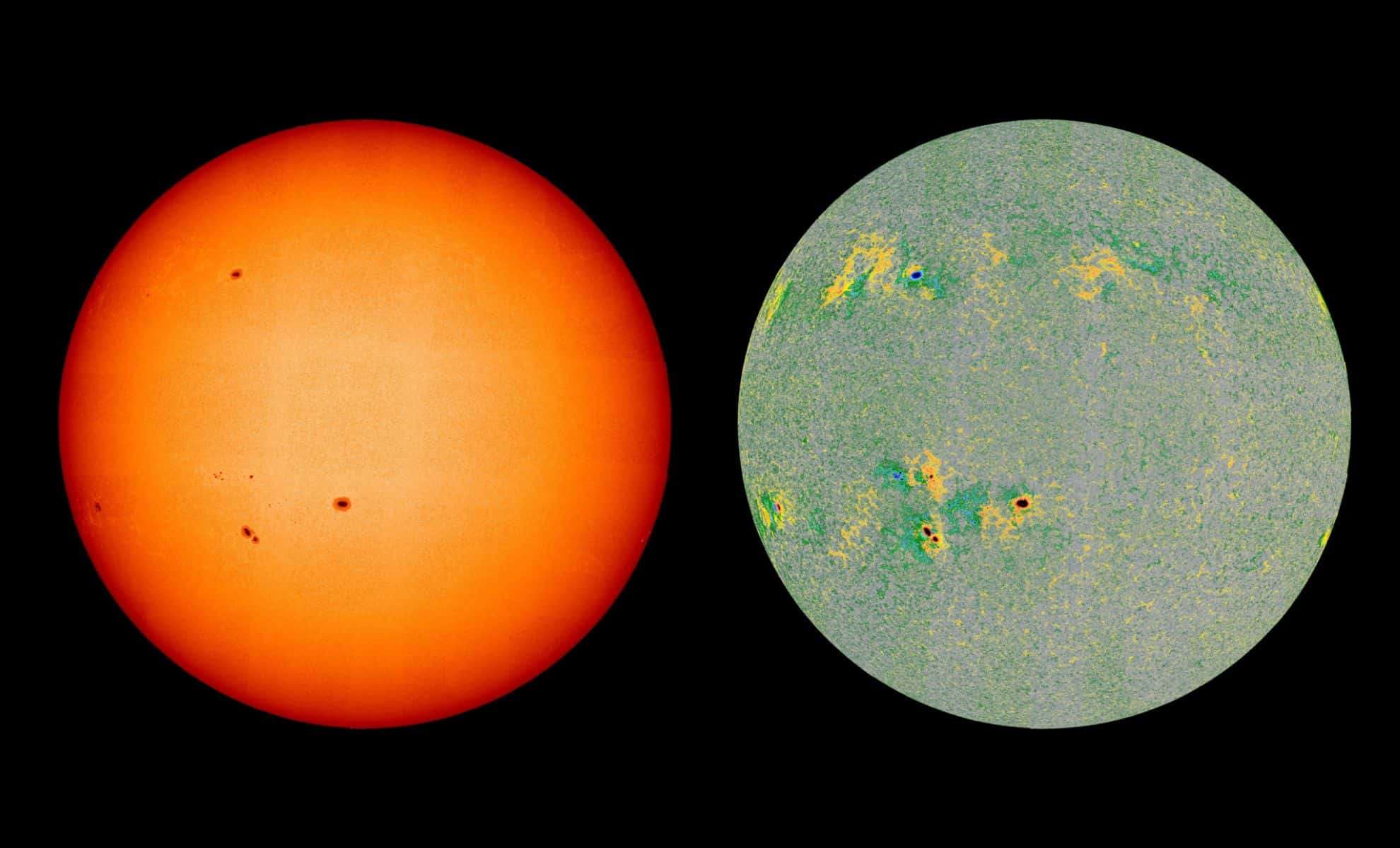
ESA’s Solar Orbiter, in partnership with NASA, has captured the most detailed images to date of the Sun’s surface, unveiling a captivating glimpse into the star’s restless and ever-changing environment. These observations bring into sharp focus features such as sunspots, granules, and magnetic fields, shedding new light on the forces driving solar activity.
Utilizing advanced imaging technology, the Solar Orbiter enables researchers to examine the fine structures of plasma flows, magnetic field interactions, and the origins of the solar wind. Understanding these elements is vital for gauging how the Sun’s behavior impacts the wider solar system, including phenomena like space weather that can affect Earth’s infrastructure and communication systems.
These latest discoveries deepen our grasp of the Sun’s inner workings and showcase the power of current space mission capabilities in decoding the secrets of our nearest star.

Revealing the Sun’s Dynamic Surface Features
The Solar Orbiter has obtained unparalleled imagery of the granules and sunspots that characterize the Sun’s surface activity. Granules are vast convection cells filled with hot plasma, extending hundreds of miles, where material rises, cools, and sinks in a relentless cycle. This microcosmic convection pattern contributes significantly to transferring heat from the Sun’s interior outward, creating the Sun’s lively, bubbling look.
Additionally, detailed images expose the darkened areas known as sunspots, which form due to intense magnetic forces that inhibit convection and result in cooler surface patches. These sunspots act as epicenters for major solar phenomena, including solar flares and coronal mass ejections, both capable of unleashing massive bursts of energy into space and influencing the conditions of space weather.
Deciphering Magnetic Field Complexities
A major achievement of the Solar Orbiter mission is mapping the Sun’s magnetic fields with extraordinary detail. Data from the PHI instrument has enabled scientists to construct intricate maps that reveal the interactions between magnetic field lines, sunspots, and plasma movements. These magnetic fields extend far beyond the solar surface and drive much of the Sun’s activity, from minor plasma shifts to enormous coronal mass ejections.
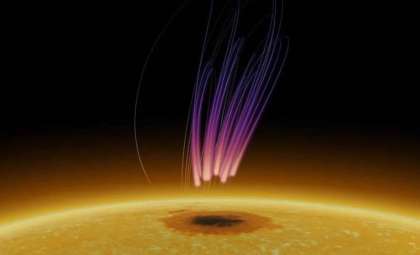
Magnetic field lines around sunspots guide the plasma flow, forming loops and filamentary structures that stretch into the Sun’s corona. These plasma constructs are essential in channeling material and energy from the solar surface into outer space, sustaining the solar wind and influencing the space environment of the solar system.
Daniel Müller, Project Scientist for Solar Orbiter, emphasized the mission's role: “The Sun’s magnetic field is fundamental to decoding the dynamic behavior of our home star across all scales. The sharp maps from the PHI instrument reveal the elegance of magnetic flows on the Sun’s surface in unprecedented detail, while also helping us infer magnetic conditions in the corona, captured by our EUI instrument.”
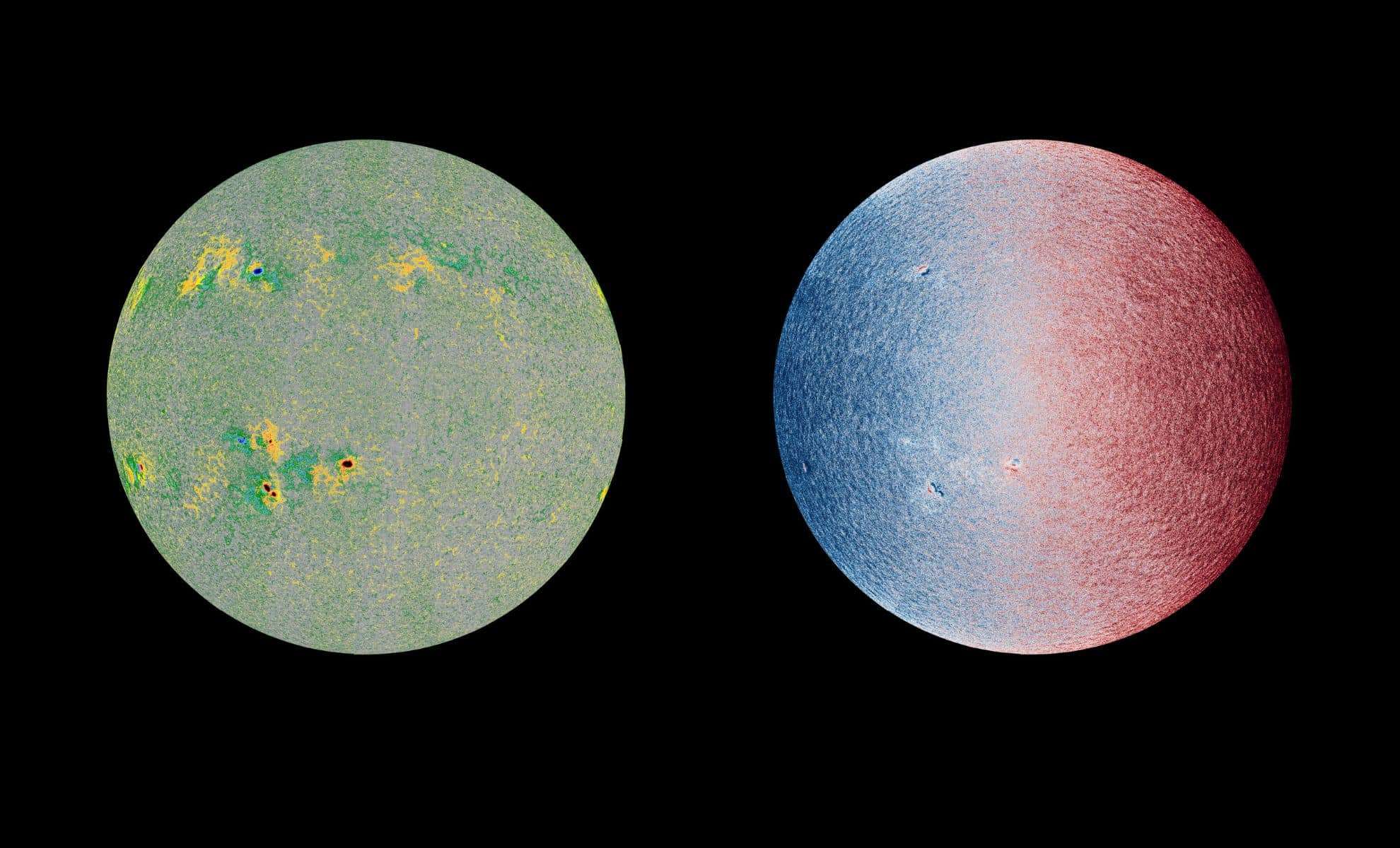
Tracking Plasma Movements and the Birth of Solar Wind
The Solar Orbiter extends its analysis beyond magnetic maps to monitor plasma flow dynamics on the Sun’s surface. Its tachograms, or velocity charts, depict the speed and direction of plasma, where regions moving toward the spacecraft appear in blue and flows moving away are shown in red.
Around sunspots, plasma follows the shape of magnetic fields, creating vast loops and strands that reach into the corona. These pathways illuminate how energy and particles exit the Sun to form the solar wind—a continuous outflow permeating the solar system. By tracing these plasma flows from surface origins to their presence in the solar wind, Solar Orbiter offers a comprehensive view of the Sun’s role as an energy and matter source.
Detailed Insights into the Solar Corona
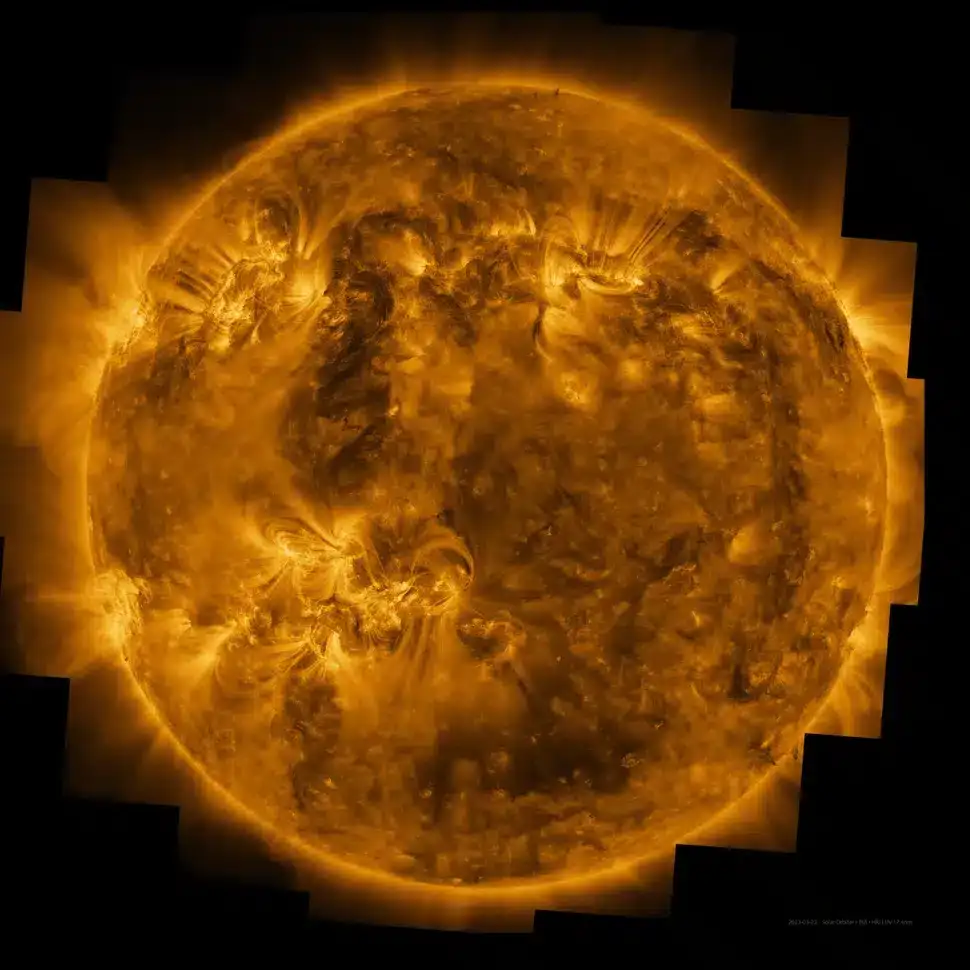
The Extreme Ultraviolet Imager (EUI) aboard Solar Orbiter captures vivid images of the Sun’s ethereal corona, the tenuous outer atmosphere. Plasma confined within magnetic field loops glows brightly in ultraviolet light, highlighting massive loops that often connect groups of sunspots. This imagery helps researchers study the corona’s structure and dynamics in exceptional detail.
Linking coronal features directly back to surface events marks a significant advancement in solar physics. This connection aids in deciphering how the solar wind originates and accelerates as it escapes the Sun’s gravitational grip. Such understanding is crucial in forecasting space weather and shielding Earth’s technological systems from its effects.
The Sun as a Dynamic Natural Laboratory
Solar Orbiter’s discoveries are transforming how we perceive solar phenomena, spanning minuscule surface features to immense cosmic-scale events. By analyzing the interplay between magnetic fields, plasma circulation, and coronal structures, scientists are deciphering the forces powering the Sun’s energy emission and its interactions throughout the solar system.
Beyond expanding knowledge, these insights are vital for practical purposes. Solar Orbiter enhances our ability to understand and predict space weather events that threaten satellites, power grids, and communications. As ESA progresses with this mission, the Solar Orbiter stands ready to further unravel the mysteries of the star that sustains life on our planet.
- Categories:
- News









0 comments
Sign in to Comment