

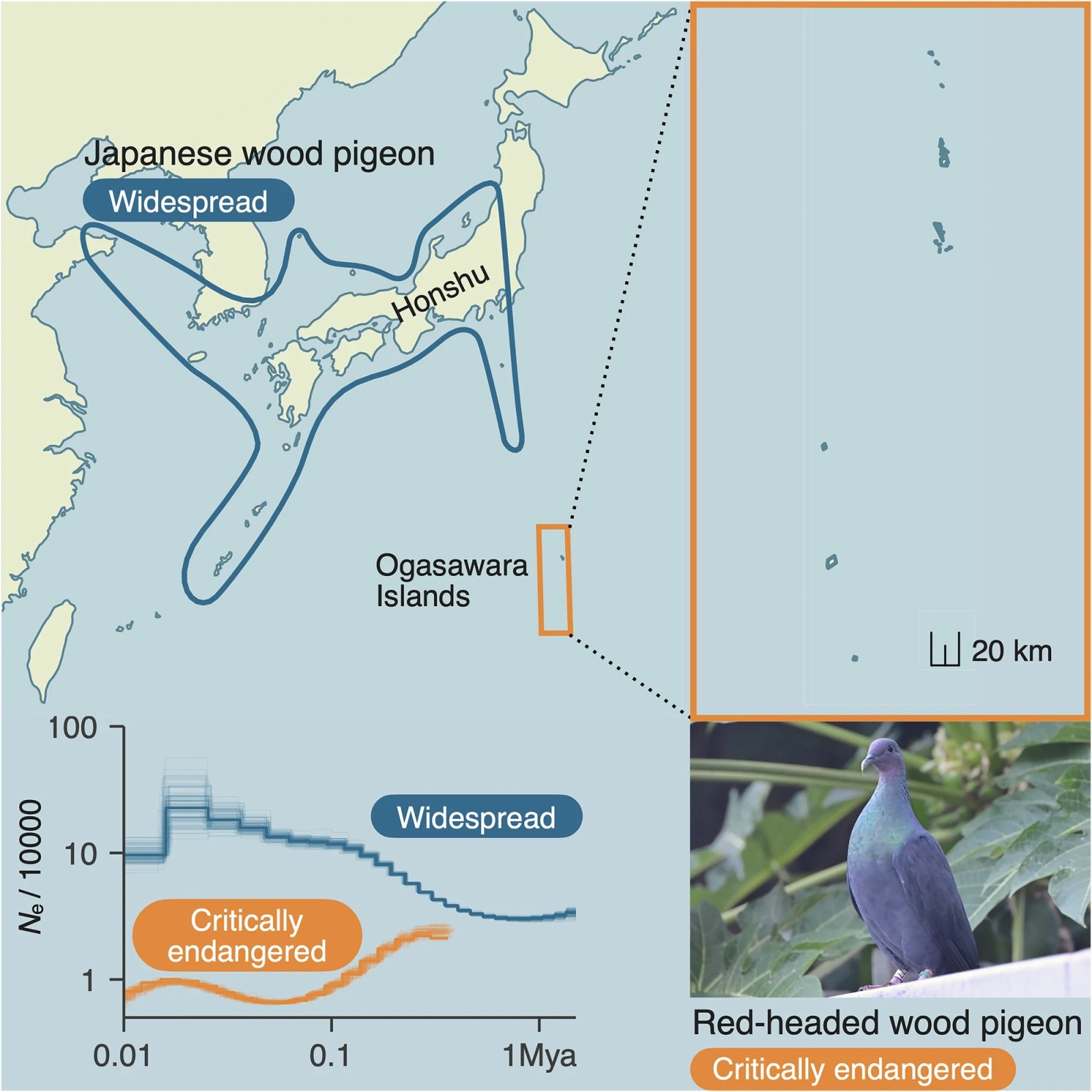
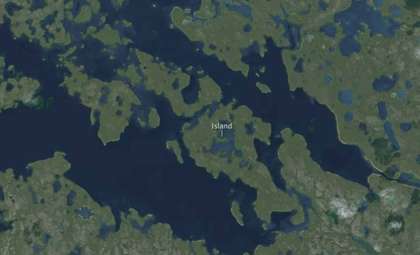
The isolated Ogasawara Islands, recognized as a UNESCO World Heritage Site roughly 1,000 kilometers south of Tokyo, have long been a stark example of how vulnerable island habitats are. Human activities, including deforestation and the introduction of non-native species, have gradually eroded the islands’ distinct biodiversity, endangering many native animals. Among the most imperiled is the Columba janthina nitens, or red-headed wood pigeon, a species exclusive to this region.
By 2008, their population had dwindled to under 80 birds. This decline was tied not just to habitat loss but also an invasive predator: feral cats. These cats, introduced incrementally over years, became a significant threat to the native nesting birds. Although their removal was deemed essential for conservation, few expected how rapidly and profoundly the ecosystem would respond.
In just three years following the cat elimination effort, the red-headed wood pigeon population surged. Yet the most astonishing outcome wasn’t merely ecological—it was genetic. Recent studies indicate this highly inbred bird species may have systematically removed many harmful mutations over centuries of isolation, shedding light on how small populations endure against genetic odds.

Conservation Efforts Yield Remarkable Success
Between 2010 and 2013, conservationists on Chichijima Island—one of the principal islands in the Ogasawara archipelago—captured and eradicated 131 feral cats. This intervention aimed to ease predation pressure on the endangered pigeon, whose numbers had continued to decline despite existing protections. The outcome was swift and significant: adult pigeons increased from 111 to 966, while juvenile birds rose from 9 to 189, according to Communications Biology.
Such a rapid rebound is uncommon for species with small, genetically uniform populations. Typically, these groups suffer from inbreeding depression, where deleterious genetic changes accumulate, reducing fitness and reproductive success. Often, removing external dangers like predators or habitat destruction can’t fully reverse the damage once genetic deterioration has set in.
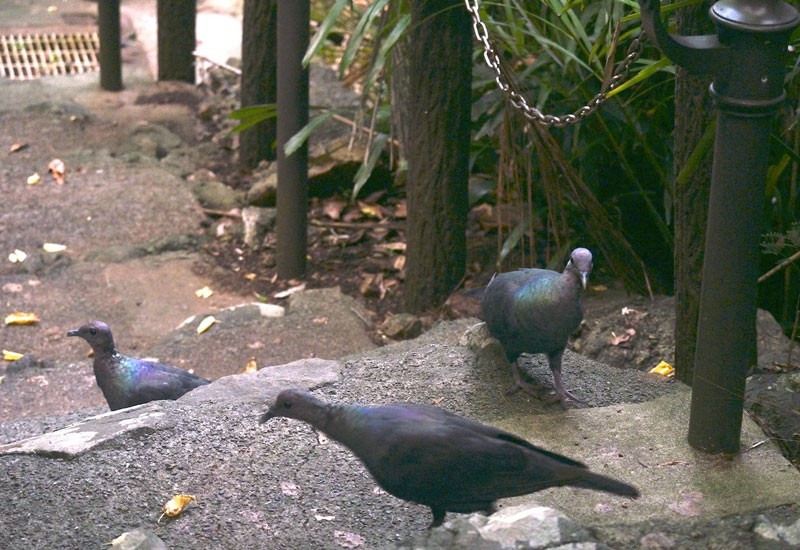
However, the red-headed wood pigeon defies this trend. Genetic sequencing revealed that despite intense inbreeding, these birds possess relatively few nonsense mutations—mutations that typically impair protein function and decrease survival potential.
The Process of Genetic Cleansing
A research team from Kyoto University conducted genome sequencing on both wild and captive red-headed wood pigeons, comparing their data with the genetically richer Japanese wood pigeon subspecies (Columba janthina janthina). Even though the island pigeons show greater genetic homogeneity, they harbored fewer detrimental mutations linked to poor fitness.
This phenomenon, called genetic purging, happens when small populations gradually weed out harmful mutations via natural selection. Over centuries of isolation and limited population size, damaging alleles may have been nearly eradicated, resulting in a population that, while genetically limited, carries less genetic burden.
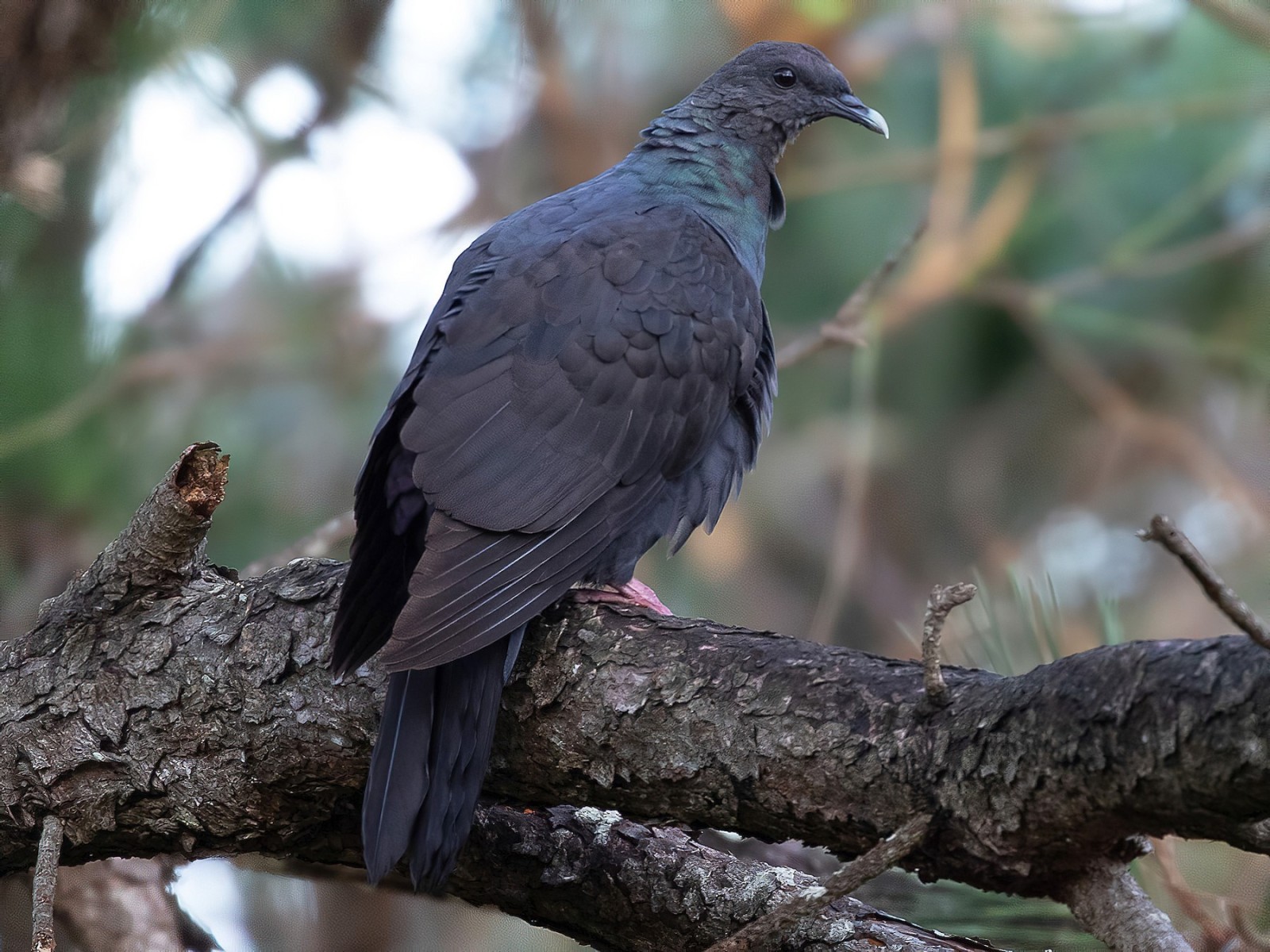
“Conservational thinking often assumes that small populations inevitably suffer due to genetic decline,” explained Dr. Daichi Tsujimoto, the study’s lead investigator. “Yet our findings suggest that, given specific long-term conditions, small populations may successfully adapt for persistence.”
The study revealed that over 80% of the island pigeons’ genome is homozygous, a factor commonly linked to extinction risk. However, these birds exhibited no serious evidence of inbreeding depression. In captive settings, more inbred individuals matched or even exceeded the lifespan of their less inbred peers.
Common Trends in Island Species Resilience
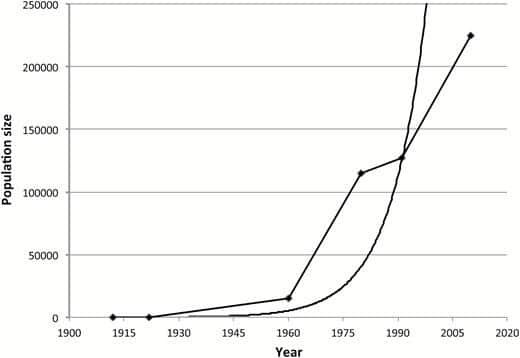
The red-headed wood pigeon is not an isolated example of this pattern. Similar recoveries have been recorded in other island fauna such as the island fox (Urocyon littoralis) and the northern elephant seal (Mirounga angustirostris). Both species bounced back from near extinction without significant inbreeding-related fitness problems.
Still, scientists advise prudence. “Genetic purging isn’t a guaranteed fix,” cautioned Dr. Cock van Oosterhout, a population geneticist at the University of East Anglia specializing in genetic load among endangered species. “Some small populations do purge harmful mutations; others don’t. This depends on their history, lifecycle, and mutation types.”
Although the red-headed wood pigeons currently appear genetically resilient, their long-term survival remains uncertain. Researchers emphasize that limited genetic variation may reduce adaptability to future challenges such as novel diseases or climate-induced environmental changes. Similar issues are noted with the Seychelles paradise flycatcher, which faces threats despite experiencing genetic purging.
- Categories:
- News









0 comments
Sign in to Comment