
Approximately 66 million years ago, a massive asteroid collided with Earth, ending the Cretaceous period and triggering a mass extinction that eliminated nearly 70% of all species on the planet. While this event is infamous for the extinction of dinosaurs, the ocean’s reaction to this upheaval reveals equally fascinating dynamics.
Ocean life was heavily affected as well, with creatures like mosasaurs and ammonites nearly vanishing. Yet, some marine animals, especially bivalves, showcased a surprising degree of endurance.
The Remarkable Persistence of Marine Bivalves
Bivalves such as clams, oysters, and mussels are recognized for their adaptability within marine habitats. Despite suffering significant species losses during the extinction, their presence remained resilient. Paleobiological data indicates that about 75% of bivalve species went extinct, but intriguingly, almost every ecological niche they occupied survived in some form.

A recent paper in Science Advances analyzed thousands of bivalve fossils to understand how they endured this crisis. The findings showed that even though 70% of species vanished, nearly all the different ecological roles bivalves played remained represented across survivors. Researchers comment that this outcome was statistically improbable.
Specialized Adaptations That Fostered Survival
Why did these bivalves manage to persist? One major reason lies in their unique environmental interactions. While many marine species depend on sunlight and phytoplankton, some bivalves developed specialized survival tactics. For example, certain species host chemosynthetic and photosynthetic symbionts, bacteria and algae that supply essential nutrients, forming beneficial partnerships. Others, like mussels, use tough silken threads to attach securely to rocks, helping them endure harsh conditions.
Conversely, species relying on photosynthesis faced hardships as the impact’s dust and debris clouded the atmosphere, blocking sunlight and disrupting marine food webs. The survival of bivalves employing chemosynthesis highlights that life’s recovery was possible through energy pathways independent of sunlight.
Lasting Changes in Ocean Life After the Extinction
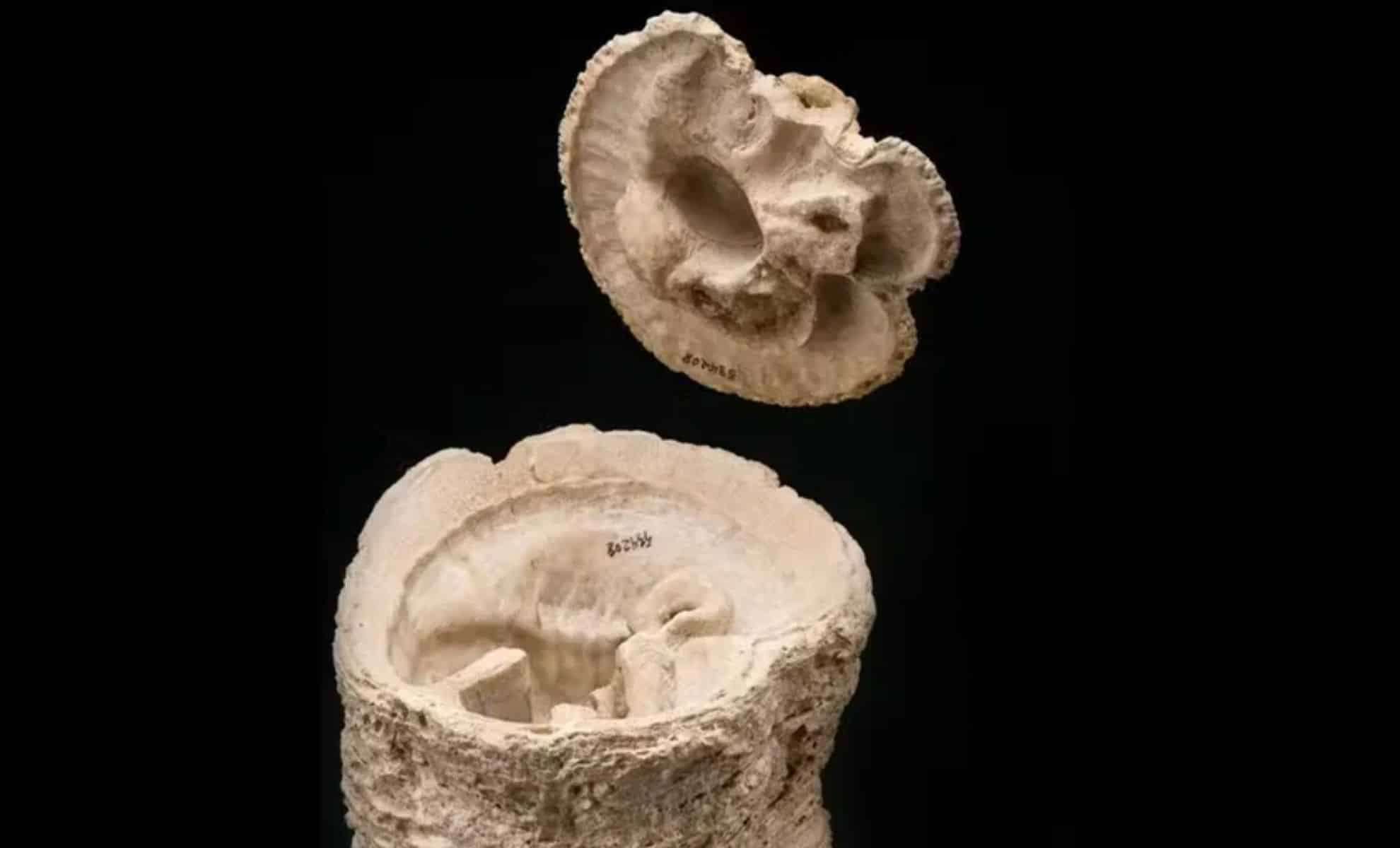
While many bivalves weathered the extinction event, ecological recovery did not restore ecosystems to their previous compositions. Some lineages, such as the dominant rudists—large reef-forming bivalves—went completely extinct. Their roles in shallow tropical waters were eventually filled by giant clams and other species, though these successors displayed less biodiversity than the rudists once provided.
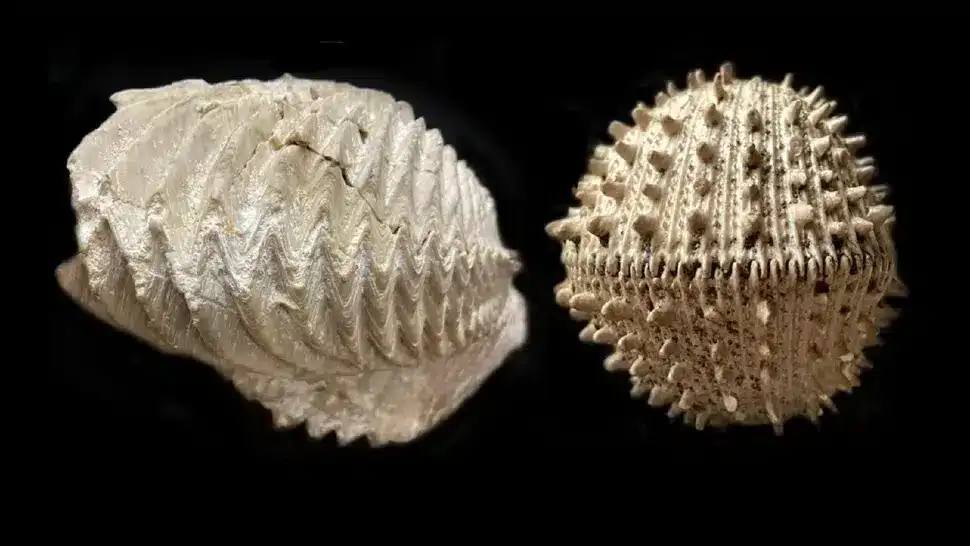
The trigoniid bivalves, known for their robust shells, survived but failed to radiate into diverse forms afterward. Presently, only a few trigoniid species remain, mostly around Australia. This research suggests that mere survival didn’t guarantee dominance in post-extinction ecosystems; instead, ecological vacancies were filled by new species and lifestyles.
- Categories:
- News








0 comments
Sign in to Comment