
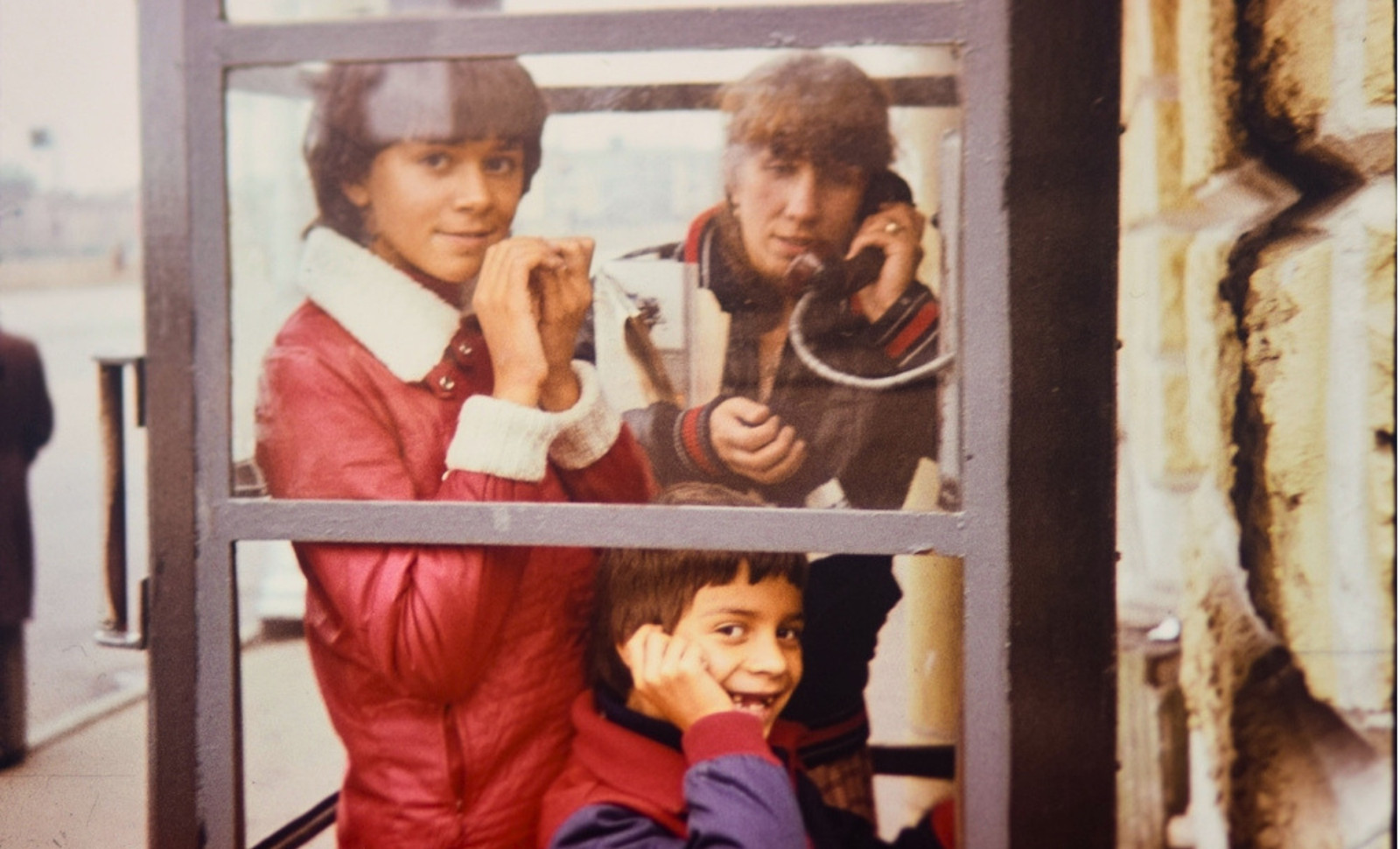
Developmental psychology has identified a growing paradox: individuals raised amid the social and economic turbulence of the 1960s and 1970s show a remarkable level of mental toughness that seems uncommon in younger generations. A comprehensive review of long-term life-span studies suggests that the hardships experienced during those years, including financial instability and family challenges, fostered an adaptability that today's cushioned lifestyles and technology may have weakened.
This conclusion is grounded in extensive archival data from the University of California, Berkeley's Institute of Human Development. Researchers tracing individuals born in the 1920s through the economic depression and wartime periods, and then their children growing up in the subsequent decades, uncovered unexpected trends.
Adults originating from families severely impacted by 1930s economic hardship often exhibited stronger self-confidence and more stable career paths in middle age than peers from more privileged backgrounds. This formed a foundation of resilience that influenced parenting and cultural norms in the following generations.

How Adversity Shaped Endurance
The psychological strength characteristic of those raised in the ’60s and ’70s results from tangible experiences, not mere sentimentality. Longitudinal studies such as the Oakland Growth and Berkeley Guidance Projects show that families coping with financial hardship often functioned as adaptable economic units. As resources tightened, children and mothers frequently joined the workforce; familial roles shifted, and adolescents encountered responsibility and complex problem-solving early on. This practical environment nurtured development in executive functioning and emotional control beyond what structured activities could provide.
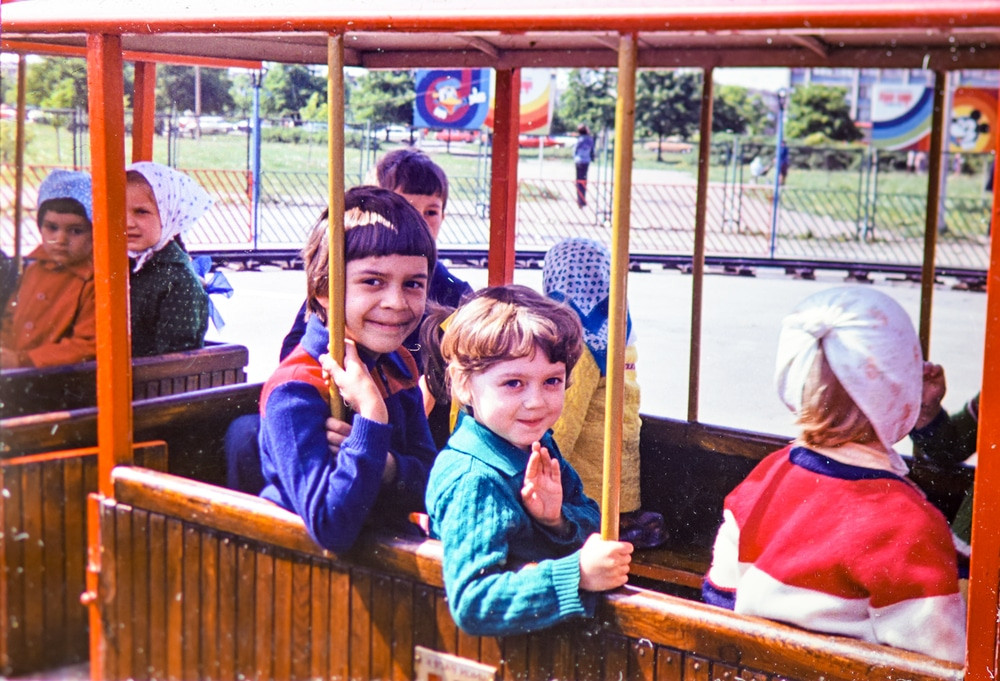
Sociologist Glen H. Elder Jr., who analyzed these datasets extensively at UNC Chapel Hill, noted that young men from deprived 1920s families who entered military or labor roles early experienced the most significant boosts in self-efficacy by their 40s. Their children, growing up amid the ’60s and ’70s’ challenges such as rising divorce rates, economic stagnation, and a cultural push toward individualism, inherited this resilience but faced distinct pressures.
Unlike today’s digitally streamlined world, the daily challenges back then were unavoidable. Experiences like boredom, delayed rewards, and the absence of instant digital feedback required young people to cultivate internal self-discipline. Research indicates that facing ongoing uncertainty acted like a psychological resilience training.
The Decline of Resilience in Comfortable Lives
Modern psychology attributes the fading of this resilience type to societal shifts prioritizing avoidance of risks and convenience. During the ’60s and ’70s, children were often allowed more freedom to explore independently, where failure was a private lesson.
In contrast, today’s young adults frequently wrestle with anticipatory stress when facing undefined challenges or criticism. A life dominated by instant access services and curated social media feeds reduces opportunities for the productive struggle needed to build perseverance, compared to earlier generations who learned by navigating unfamiliar territory or fixing things without online help.
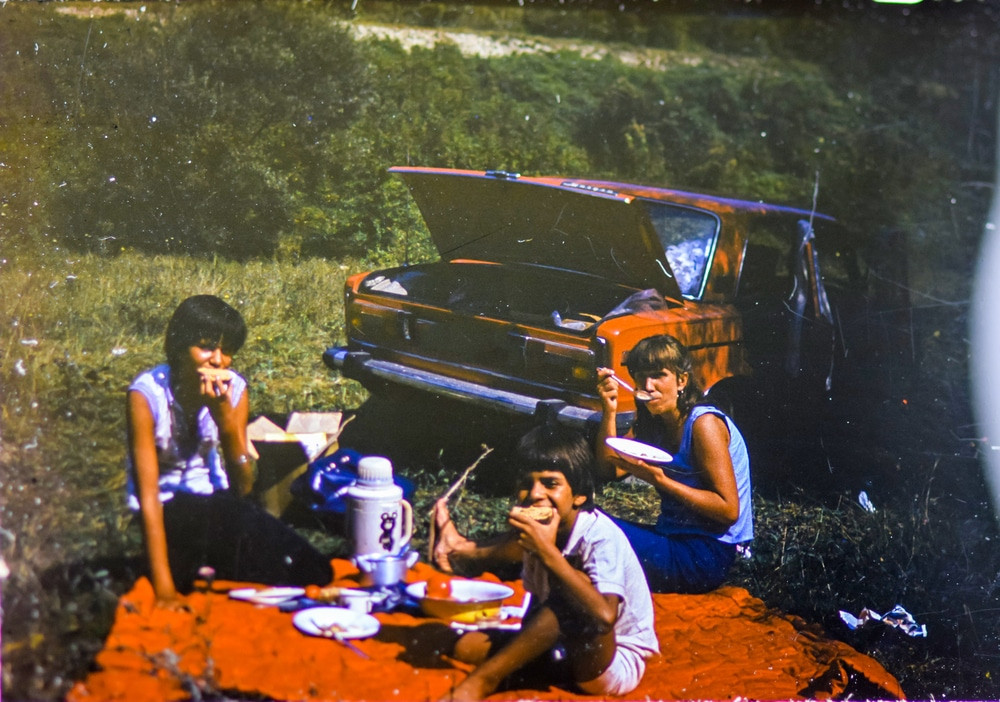
Research from the University of North Carolina’s life-span projects stresses that resilience emerges from the interaction between individual effort and historical conditions. The unique blend of Depression-era frugality and the social liberation movements of the ’60s and ’70s demanded mental agility rare in today’s more settled but divisive times. While today’s youth are often emotionally perceptive, they tend to have lower tolerance for distress when confronted with logistical or systemic obstacles.
The Impact of Unstructured Social Interactions
A further important element of psychological development for those growing up in the ’60s and ’70s was the spontaneous nature of peer relationships. Children formed friendships and settled disputes naturally, without constant adult oversight or digital record-keeping. This frequent engagement in social conflict resolution helped build a strong social resilience.
Today’s heavily screen-mediated childhoods and scheduled social activities offer fewer opportunities to experience the complexities of in-person social dynamics. Psychologists point out this shift produces a generation simultaneously more connected yet lonelier, struggling more with interpersonal challenges without heightened stress.
Although “resilience” is often broadly defined, the specific quality cultivated mid-century correlates with measurable life outcomes tracked over decades. Participants from lower-income families in the Oakland and Berkeley studies during the ’60s exhibited higher-than-expected rates of upward mobility and stable marriages. This resilience was not born of an easy life, but from adapting continually to uncertainty without expecting a guaranteed smooth path.
In contrast, modern young people are frequently raised with a focus on structured achievement, leading to existential challenges when their anticipated plans face disruption—a challenge well-handled by adults raised prior.
Breakdown in Passing Down Resilience
One key question is why the resilience shaped by adversity during the 1960s and 1970s failed to fully transfer to their children. The answer lies partly in changing parenting philosophies. Baby Boomers and early Gen Xers, having faced economic insecurity and emotional distance from their own parents, sought to provide their children with greater security and emotional support. This protective approach, combined with the rise of the internet and digital convenience, shielded the next generation from many of the trials that forged resilience in their predecessors.
Ongoing analysis of these longitudinal records confirms that resilience is an acquired and renewable resource, dependent on the environment. The adults shaped by the 1960s and 1970s were not innately tougher, but were molded by conditions that required internal strength as a foundation for everyday survival.
- Categories:
- News













0 comments
Sign in to Comment