
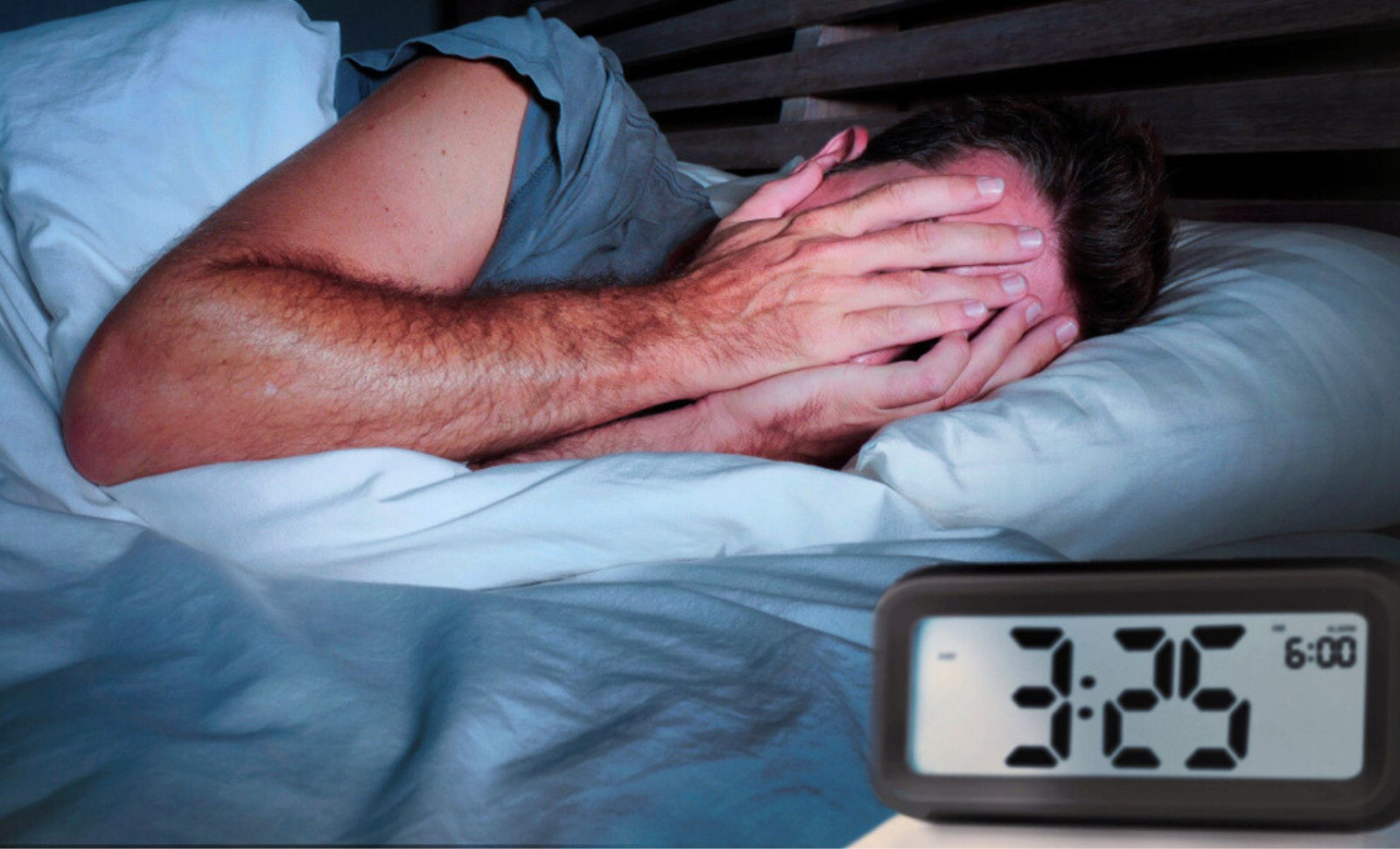
It begins subtly—a quiet awakening in the dead of night. The clock reads 3:12 a.m. once more. You remain still, alert yet unsure why you were disturbed. There’s no obvious cause like noise or discomfort, just a mysterious, repeated disruption.
This experience is more common than you might think. Increasing reports reveal people waking consistently at identical times overnight, often between 1 and 4 a.m., regardless of age, health, or location.
For some, these awakenings happen sporadically, for others nightly. A smaller group feels an intense hunger that leads them to the kitchen while still half-asleep. Both sleep scientists and healthcare providers are studying these patterns, exploring their connections with broader metabolic and emotional challenges.

The Body’s Internal Clock and Sleep Cycles
Sleep isn’t continuous but cycles through stages roughly every 90 minutes, shifting from light to deep and REM sleep. Brief awakenings often occur between cycles but usually go unnoticed. The problem arises when these awakenings become regular and happen at the same time every night.
The Cleveland Clinic points to disruptions in the circadian rhythm as a frequent culprit. This internal timing system governs sleep, alertness, digestion, and hormone release. When upset by stress, lifestyle shifts, or other factors, sleep can become fragmented and irregular.
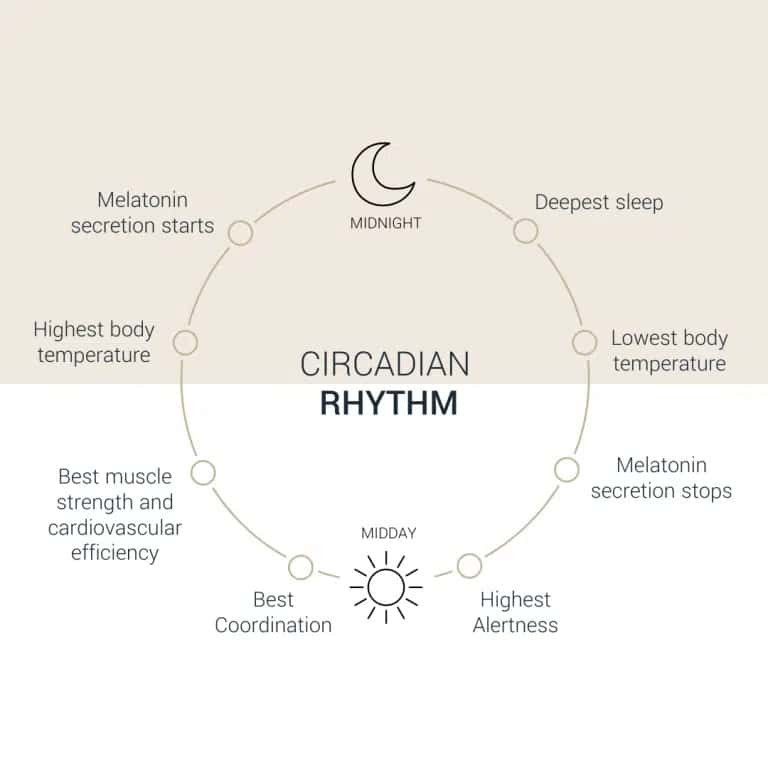
Cortisol, a key hormone involved in awakening, rises in the early morning to prepare the body for the day. Those facing chronic stress or anxiety often experience this hormone surge prematurely or too sharply, causing them to wake too early. Studies in the Journal of Clinical Endocrinology & Metabolism link high morning cortisol levels to interrupted sleep and lowered sleep quality.
Liver function also plays a role in overnight detoxification and metabolism, potentially causing wakefulness between 1 and 3 a.m. after heavy meals or alcohol consumption, which increase internal bodily activity during a period that should be restful.
While none of these factors alone confirm a cause, together they provide clues about the body’s nighttime challenges.
Nutritional Urges During Nighttime Awakenings
In some instances, awakenings stem from genuine hunger. People affected often feel compelled to eat during the night, frequently several times each week. This condition, known as Night Eating Syndrome (NES), is a combined sleep and eating disorder, according to the Cleveland Clinic.
“You may feel like you won’t fall back asleep until you’ve eaten,” the clinic states. People with NES tend to consume over a quarter of their daily calories between dinner and breakfast, craving carbohydrate-rich or sugary foods, and often skip or delay breakfast.

Approximately 1.5% of U.S. adults, or around 5 million people, are estimated to live with NES. The syndrome commonly occurs alongside mood disorders such as depression and anxiety, and frequently coexists with other eating issues like binge eating disorder and bulimia.
Research highlighted by the National Center for Biotechnology Information suggests NES may involve altered regulation of appetite hormones like leptin and ghrelin, which usually diminish during sleep. For those affected, hormonal balance is disrupted, leading to nighttime hunger and diminished morning appetite.
If untreated, NES may raise the likelihood of obesity, type 2 diabetes, and enduring disturbances to emotional and metabolic health.
The Role of Stress in Night Wakings
Many report awakening regularly around the 3 to 4 a.m. timeframe, a phase marked by biological shifts and heightened emotional sensitivity. Cortisol peaks, but the calmer surroundings may trigger resurfacing worries.
This state, known in clinical terms as hyperarousal, means the nervous system does not fully relax during sleep. It might not cause panic but results in light, disrupted sleep, especially among those under emotional strain.
Body temperature also influences sleep stability. The core temperature drops around 4:30 a.m., which can make individuals more noticeable to environmental disturbances such as poor airflow, unsuitable bedding, or noise, leading to wakefulness.
The National Sleep Foundation acknowledges that these physiological and environmental factors during the early morning can interrupt sleep, especially in people prone to lighter sleep cycles.
For complex cases, sleep specialists suggest maintaining a sleep diary recording sleep times, meals, and emotions to uncover subtle patterns impacting rest.
Restoring Rest and Routine
Treatment depends on the root cause of night awakenings. For NES or stress-related interruptions, the Cleveland Clinic recommends Cognitive Behavioral Therapy (CBT). This approach targets habits, sleep practices, and thought processes affecting rest and is a primary therapy for insomnia and related eating disruptions.
Light therapy is beneficial for circadian misalignment by regulating exposure to natural or artificial light and helping recalibrate the internal clock. Melatonin supplements might be useful in certain cases, although their use should be supervised.
Dietary changes are important for those experiencing nighttime hunger, such as shifting calorie consumption earlier and limiting sugar and caffeine intake at night to ease digestive and hormonal strain during sleep.
As the Cleveland Clinic advises: “Treatment requires time and patience; improvements do not happen overnight.” Successful management often integrates multiple strategies and evolves according to individual progress and needs.
- Categories:
- Science













0 comments
Sign in to Comment