
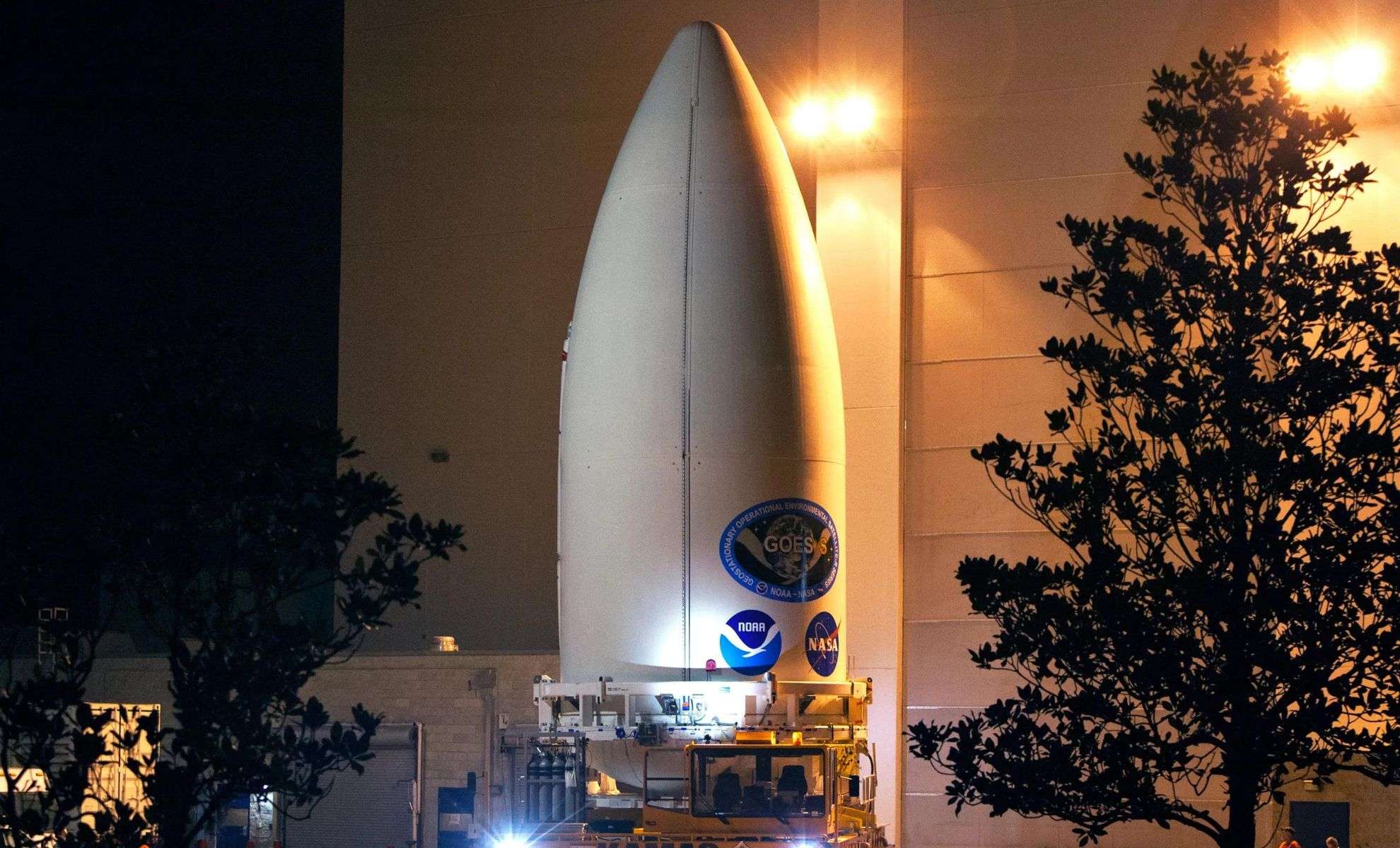
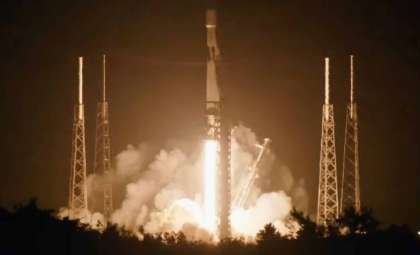
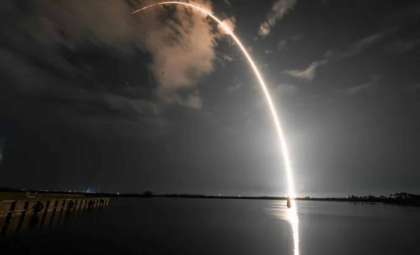
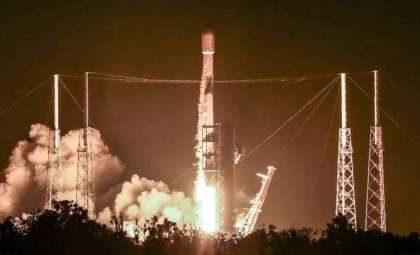
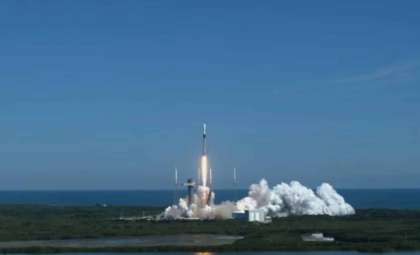
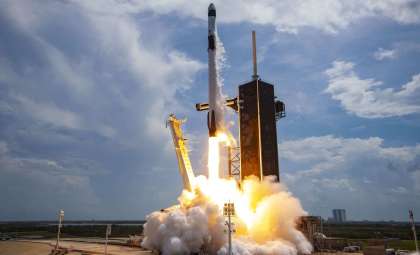
The GOES-U satellite, the last installment in NOAA's state-of-the-art GOES-R series, is set to launch today aboard a SpaceX Falcon Heavy rocket, marking a new chapter in advanced climate observation and weather forecasting.
Countdown and Launch Readiness
Scheduled to launch from NASA’s Kennedy Space Center Launch Complex 39A in Florida, the GOES-U mission has a two-hour launch window starting at 5:16 p.m. EDT (2116 GMT). This flight will mark the Falcon Heavy’s 10th flight and will be SpaceX’s 65th orbital launch in 2024.
Denton Gibson, senior mission manager with NASA’s Launch Services Program, confirmed the readiness of both satellite and rocket: “The GOES-U spacecraft is ready, the launch vehicle is ready, and we’re eager to place the satellite into its orbit.”

Launch preparations briefly faced a transport air conditioning system malfunction, but the issue was promptly resolved ensuring optimal conditions for the satellite. Julianna Schiman, NASA’s science missions director at SpaceX, explained, “We prioritized the vehicle’s safety by fully restoring the transport AC system, which now supplies adequate cold air.”
Weather and Technical Considerations
Weather remains a key factor, with a 70% chance of launch constraints arising from potential thunderstorms or cloud formations. Brian Cizek, meteorologist with the U.S. Space Force’s 45th Weather Squadron, highlighted how launches might induce lightning: “Certain cloud types can store charges insufficient for natural lightning but can trigger strikes caused by the rocket.”
The broad two-hour launch period allows timing adjustments if weather improves. "We can shift the launch later within the window if conditions worsen early on," Cizek noted.
Scientific Importance and Capabilities of GOES-U
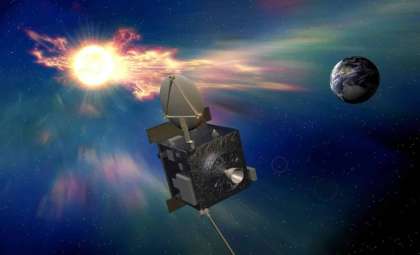
GOES-U carries cutting-edge instruments designed to deliver detailed weather imagery and lightning mapping in real time, along with an innovative compact coronagraph to enhance space weather predictions. These tools significantly improve NOAA’s capacity to track weather events, ocean conditions, and environmental phenomena.
Beyond immediate weather monitoring, GOES-U supports ongoing scientific exploration and operational forecasting efforts, representing the final upgrade in the GOES-R series that has reshaped meteorological observation and prediction.
Where to Watch the Launch
Space Coast residents and visitors can witness the launch, which should be visible from dozens of miles away. Prime viewing locations include:
- Kennedy Space Center Visitor Complex: Offers detailed views and live commentary of the launch.
- Playalinda Beach: Part of the Canaveral National Seashore with clear sightlines to the pad.
- Jetty Park: A favored spot for space fans with amenities and great views.
- West Palm Beach and Greenacres: Though farther away, launches have been visible from these cities.
Those unable to attend in person can watch live streams provided by NASA and SpaceX starting at 3 p.m. EDT, featuring live updates and expert insights.
Future of Weather Satellite Missions
The GOES-U launch is a key piece in enhancing weather forecasting technology. Its successor, the Geostationary Extended Observations (GeoXO) system, slated for the early 2030s, aims to build upon these advancements, further improving our understanding of Earth's climatic systems.
Today's mission highlights the strong collaboration among NASA, NOAA, and SpaceX in advancing space-based environmental monitoring. The emphasis remains on ensuring launch success and pushing forward the capabilities of weather observation satellites.




0 comments
Sign in to Comment