
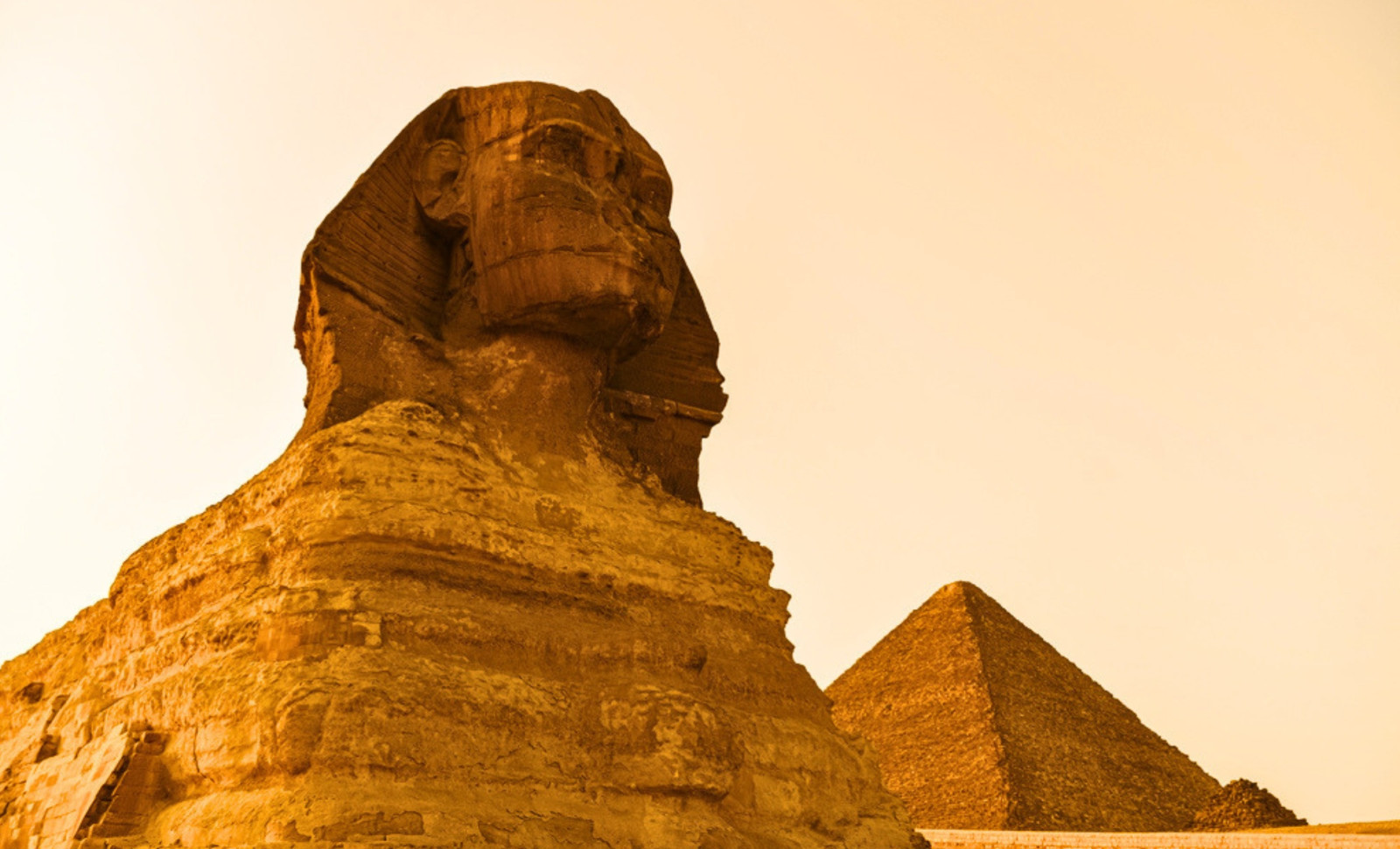
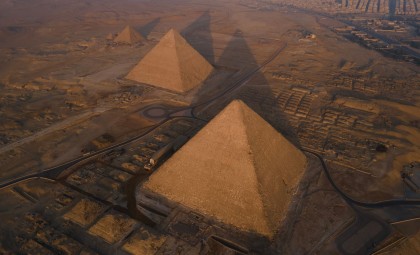
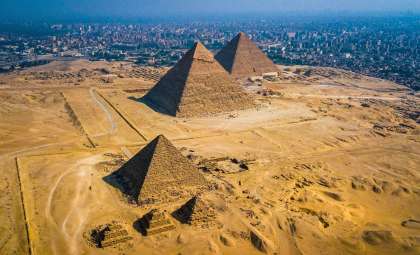
A subtle mound of compacted earth on the Giza Plateau has recently sparked renewed debate about undiscovered treasures lying near Egypt’s iconic landmarks. This site, positioned close to the Great Sphinx, is inconspicuous enough to be overlooked by many visitors. However, recent geophysical surveys revealed unexpected underground formations, bringing fresh attention to this modest patch of desert.
The excitement intensified following a March 26, 2026 appearance by Filippo Biondi, a radar specialist at the University of Strathclyde, on the Matt Beall Limitless podcast. Biondi revealed that radar data suggested a buried structure closely resembling the well-known nearby monuments. This announcement swiftly revived longstanding rumors of a hidden Sphinx companion to the celebrated statue at Giza.
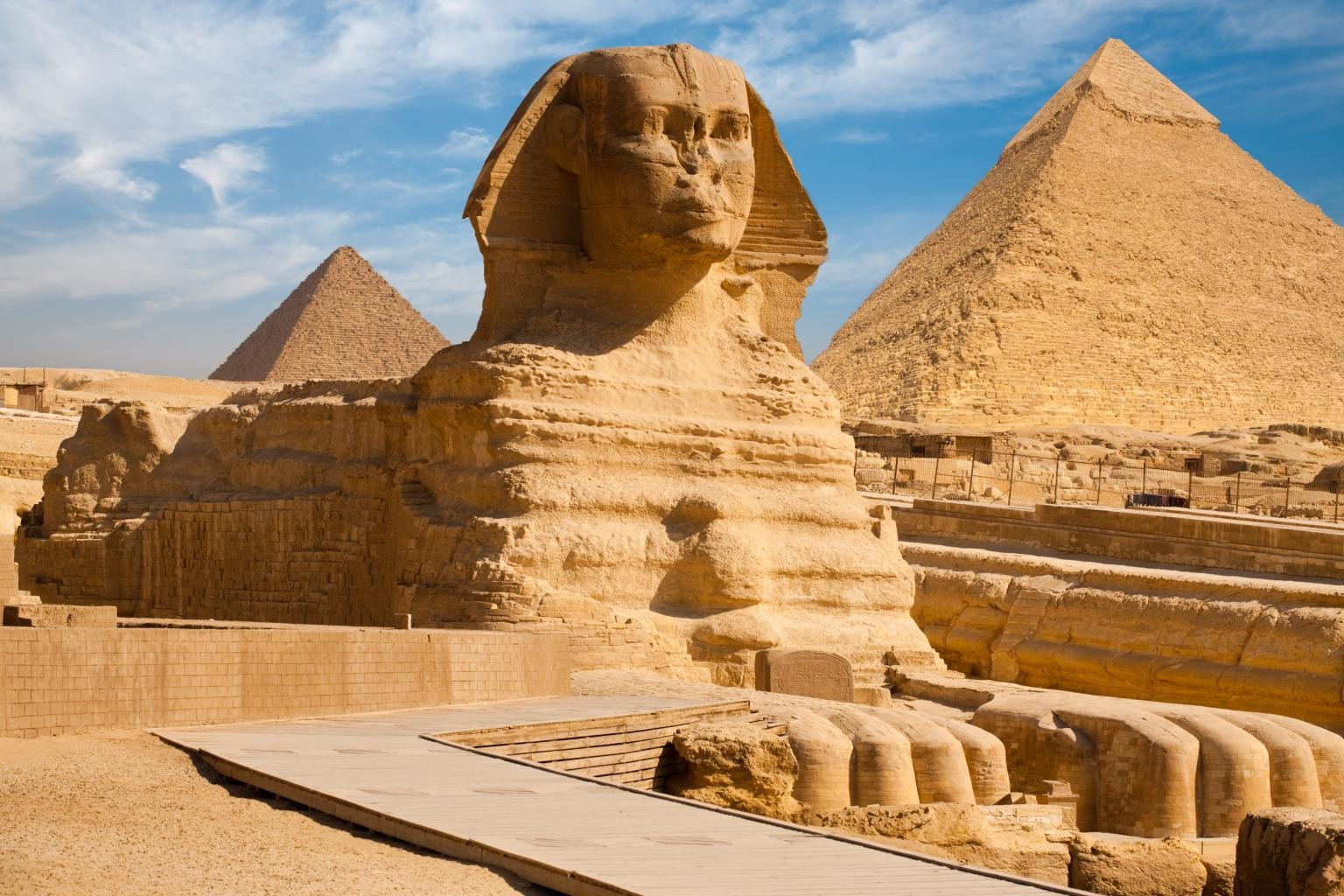
The notion of a second Sphinx has circulated before. A 2021 Ancient Origins article recounted claims by Egyptian tourism official Reda Abdel Halim who asserted the existence of a second colossal statue buried near the Giza complex. However, former antiquities minister Zahi Hawass dismissed those claims, maintaining that the Great Sphinx is a singular monument with no verified counterpart.

Details Behind the Latest Discovery
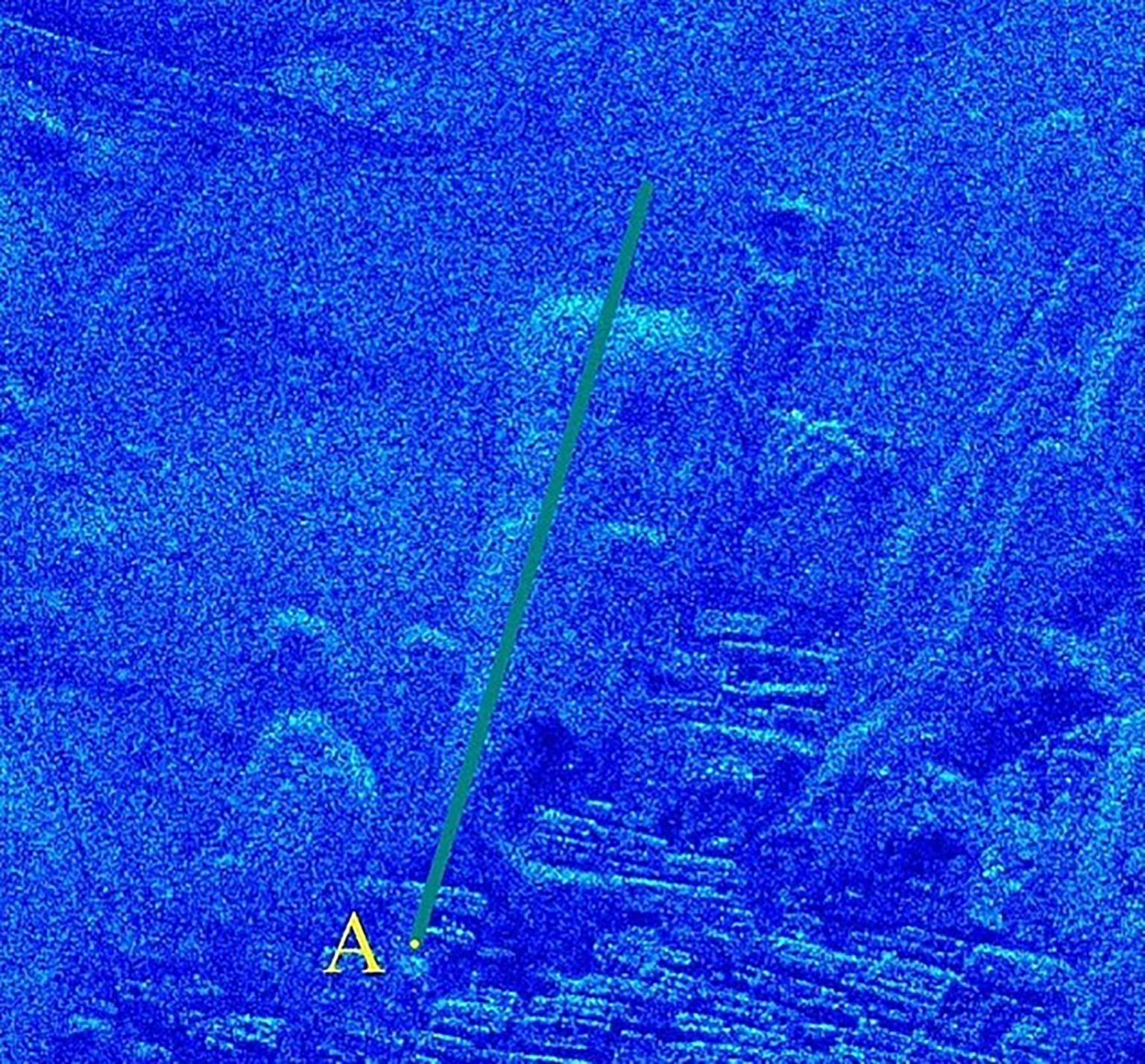
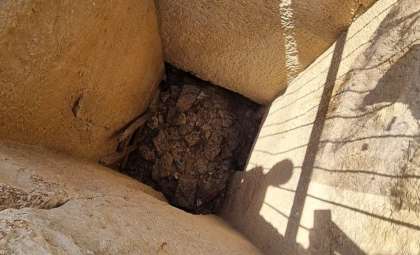
This new claim is rooted in scientific analysis, which has helped it gain traction. According to Biondi, satellite imagery combined with radar scans detected an underground formation approximately 108 feet in height, arranged in a geometric pattern that corresponds to the alignment of the Great Sphinx and the neighboring pyramids. His team also identified what appear to be vertical shafts and horizontal tunnels, suggesting that the mound might hide a significantly larger structure.
Biondi is no stranger to Giza investigations. In 2022, he collaborated with Corrado Malanga to publish research in the journal Remote Sensing demonstrating a synthetic aperture radar tomography technique capable of imaging underground formations within the Great Pyramid of Giza using satellites and seismic background vibrations. While their earlier study did not report a second Sphinx, it introduced the advanced scanning method cited in the recent findings.
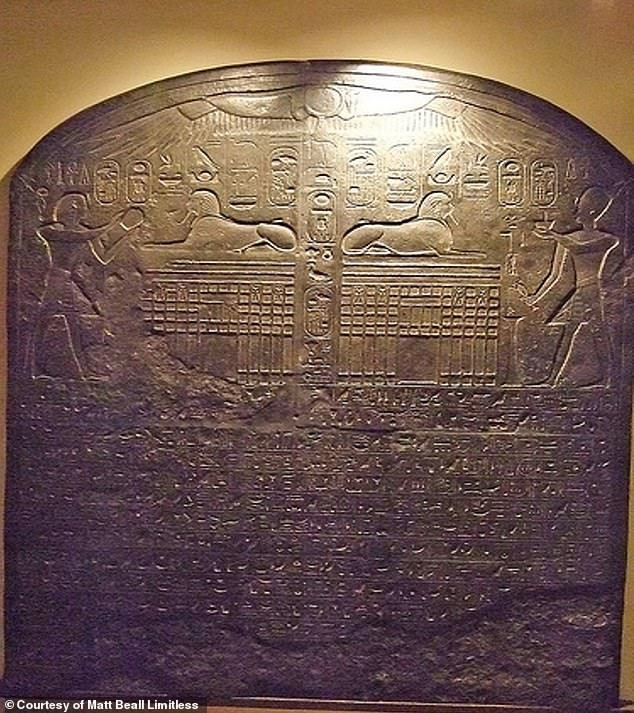
The team also pointed to symbolic evidence. Media coverage referenced Biondi’s interpretation of the Dream Stele, placed between the paws of the Great Sphinx, noting that depictions of twin sphinxes might hint at a lost sibling. This symbolism has long been discussed in alternative archaeological circles and partly explains why the claim gained swift online popularity.
The Ongoing Fascination with Giza
The Giza Plateau often attracts cutting-edge technology to revisit ancient mysteries. Because of its fame, even minor anomalies detected via new scanning methods can quickly fuel speculations about undiscovered chambers and forgotten monuments. The 2022 radar study attracted interest for suggesting that satellite-based scanning might uncover details previously believed unreachable.
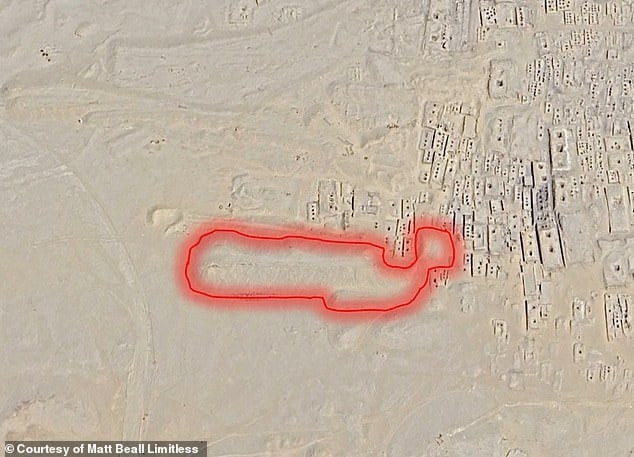
Despite the buzz, this second Sphinx assertion has outpaced available evidence. A Newsweek fact-check clarified that no archaeological findings currently confirm a second Sphinx beneath Giza, no excavation has been conducted, and no peer-reviewed studies support this new interpretation. Egyptologists and geophysicists have noted that radar data alone does not establish the existence of a buried monumental statue.
Scholarly Experts Respond with Caution
Such doubts are echoed widely. Citing Zahi Hawass, media reports conveyed his dismissal of the radar claims, emphasizing that these methods lack acceptance as definitive proof of large subterranean monuments. Other experts have noted that previous explorations uncovered only small voids, not the kind of grand mirrored Sphinx now suggested.
Nonetheless, the theory has captivated many because it combines a famous archaeological site, sophisticated new imaging technology, a clear visual reference, and the intriguing possibility of symmetry in one of the planet’s most intensively studied landscapes. Presently, what exists is a detected radar anomaly, an ongoing public debate led by Filippo Biondi, and strong opposition from archaeologists who assert that no confirmed evidence supports the existence of a second Sphinx at Giza.
- Categories:
- Science




0 comments
Sign in to Comment