
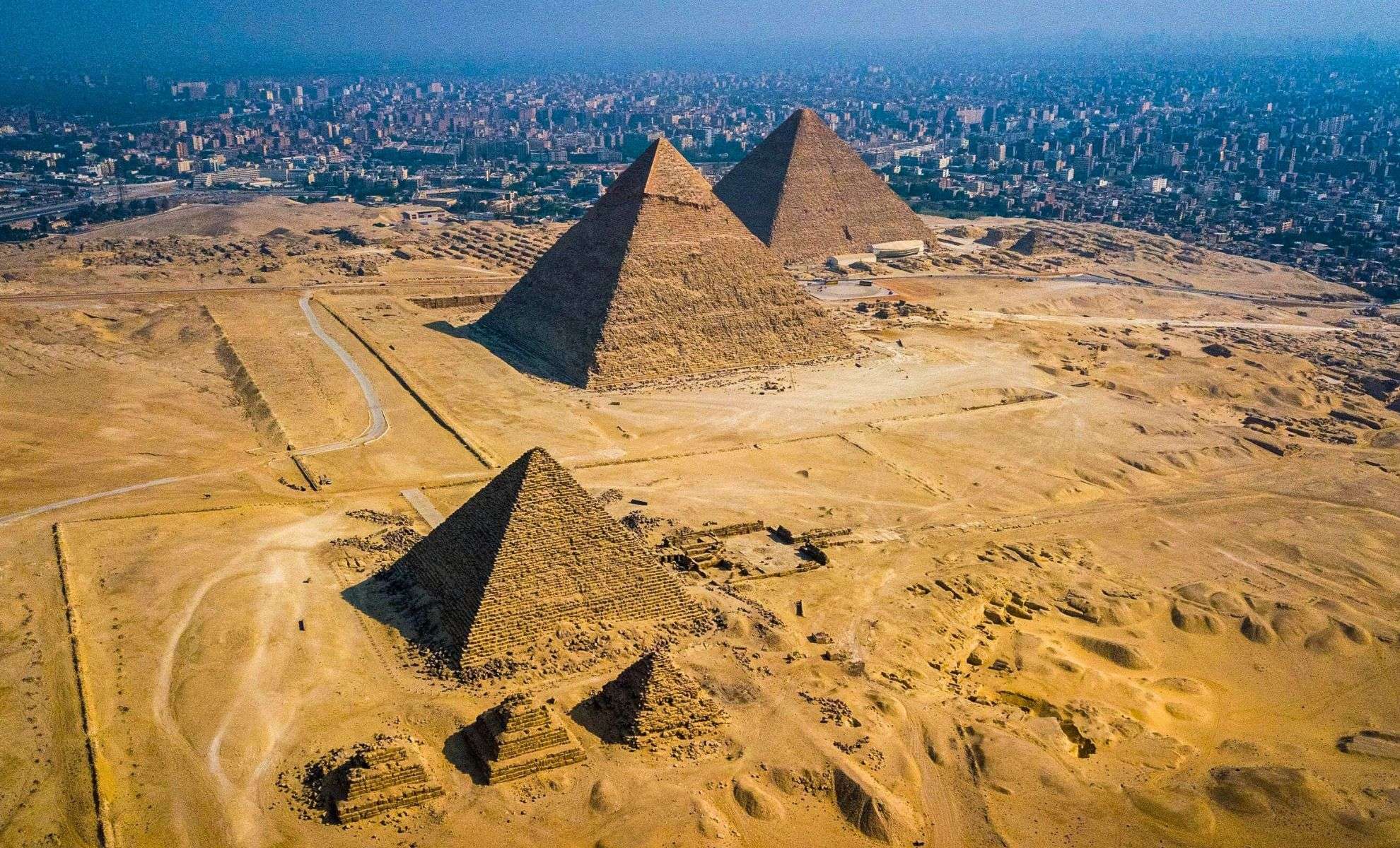
The Giza Pyramids stand as timeless testaments to ancient human creativity and engineering skill. For hundreds of years, these magnificent monuments have fascinated scholars and tourists alike, drawing admirers to marvel at their majestic presence. Recent advances utilizing space-based technology are offering fresh insights into one of Ancient Egypt's most perplexing puzzles.
Decoding the Mystery of the Giza Plateau
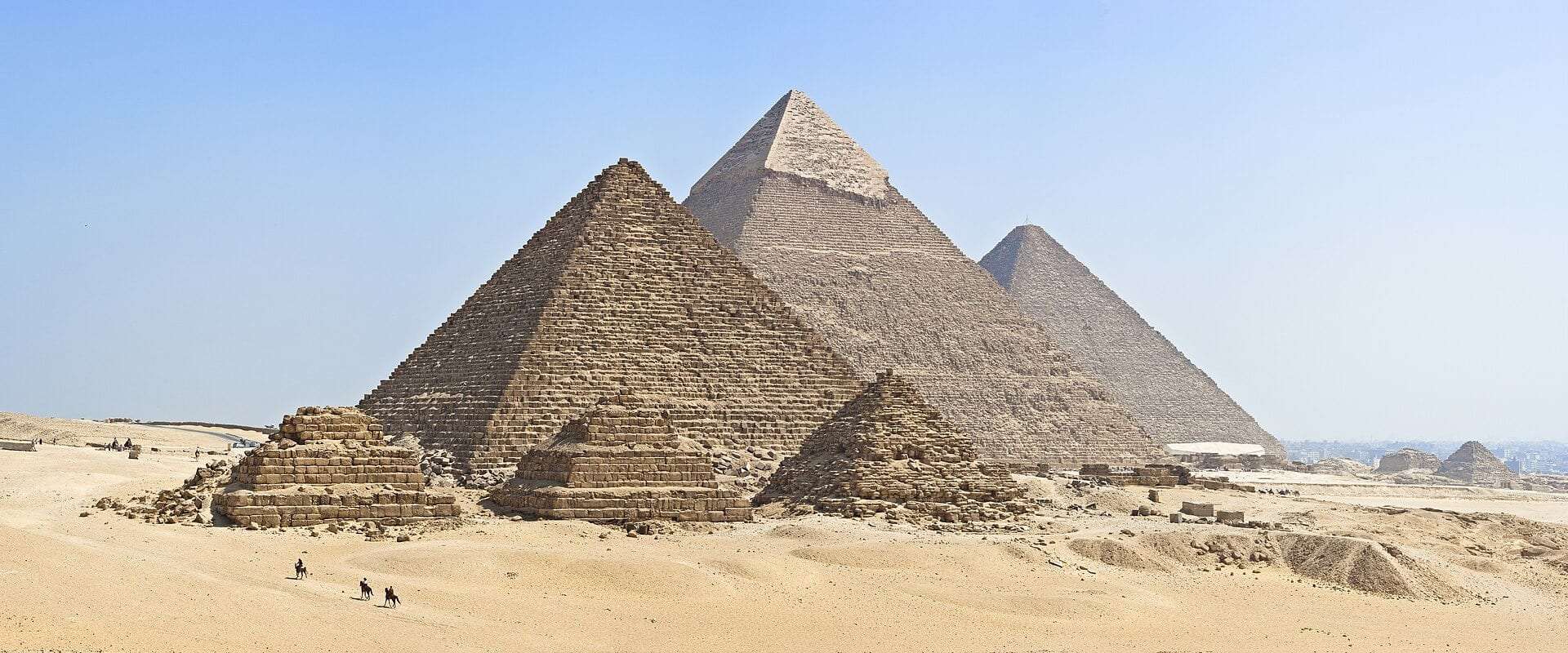
Constructed approximately between 2600 BC and 2500 BC, the Giza complex comprises the Great Pyramid, the Pyramid of Khafre, and the Pyramid of Menkaure. Recognized today as a UNESCO World Heritage Site, these monuments have become enduring icons of Egyptian civilization, inspiring countless cultural portrayals in literature, cinema, and television.
Despite extensive research over many years, ongoing archaeological discoveries continue to uncover fresh secrets. In recent days, divers exploring the Nile River have unearthed artifacts dating back millennia, including intricate paintings, reliefs, and miniatures depicting ancient royal figures, as reported by Egypt’s Ministry of Tourism and Antiquities.

Revealing Hidden Clues Along the Nile
The construction methods behind the Giza pyramids remain one of the enduring enigmas of ancient architecture. Dr. Eman Ghoneim, an Egyptian-American expert in geomorphology, recently presented a groundbreaking theory highlighting the potential role of an ancient Nile tributary.
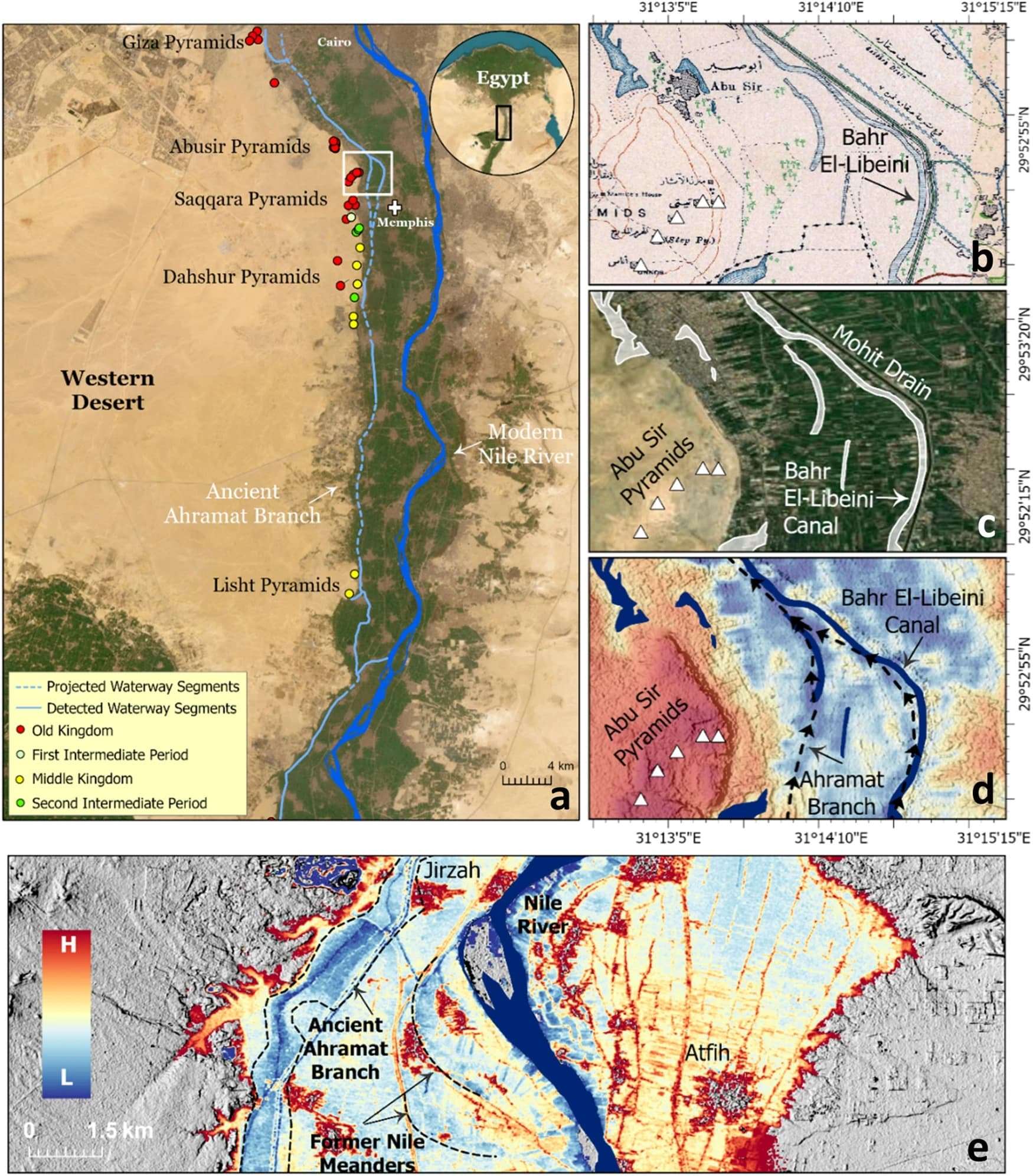
Deploying satellite data, Dr. Ghoneim proposes that a long-vanished branch of the Nile River once flowed through the Giza plateau, offering a natural waterway that facilitated the transport of massive building stones and other materials. This presence may explain the tight grouping of pyramids, suggesting logistical advantages provided by the river.
The Ahramat Branch: Unlocking Ancient Logistics
Featured in the Communications Earth & Environment journal, Dr. Ghoneim’s study uncovers an "invisible world beneath the ground" previously unnoticed. The so-called Ahramat Branch, a 64-kilometer-long ancient river channel, originates near the Western Desert Plateau, home to many of Egypt's pyramids.
According to Dr. Ghoneim, “Analysis of imagery and high-resolution radar elevation data for the Nile floodplain and its surrounding deserts... indicates the presence of multiple segments of a major ancient river branch adjacent to 31 pyramids spanning from the Old Kingdom through the Second Intermediate Period (2686−1649 BCE).”
She further notes, “The significance and proximity of this river branch to the pyramid sites strongly suggest it was active during the era when these monumental structures were built.”
Implications of the Recent Findings
While Dr. Ghoneim still seeks definitive proof confirming that the ancient river was active during pyramid construction, the findings so far offer compelling new perspectives. This discovery could mark a pivotal advance in decoding the logistical challenges behind one of history’s greatest engineering feats.












0 comments
Sign in to Comment