
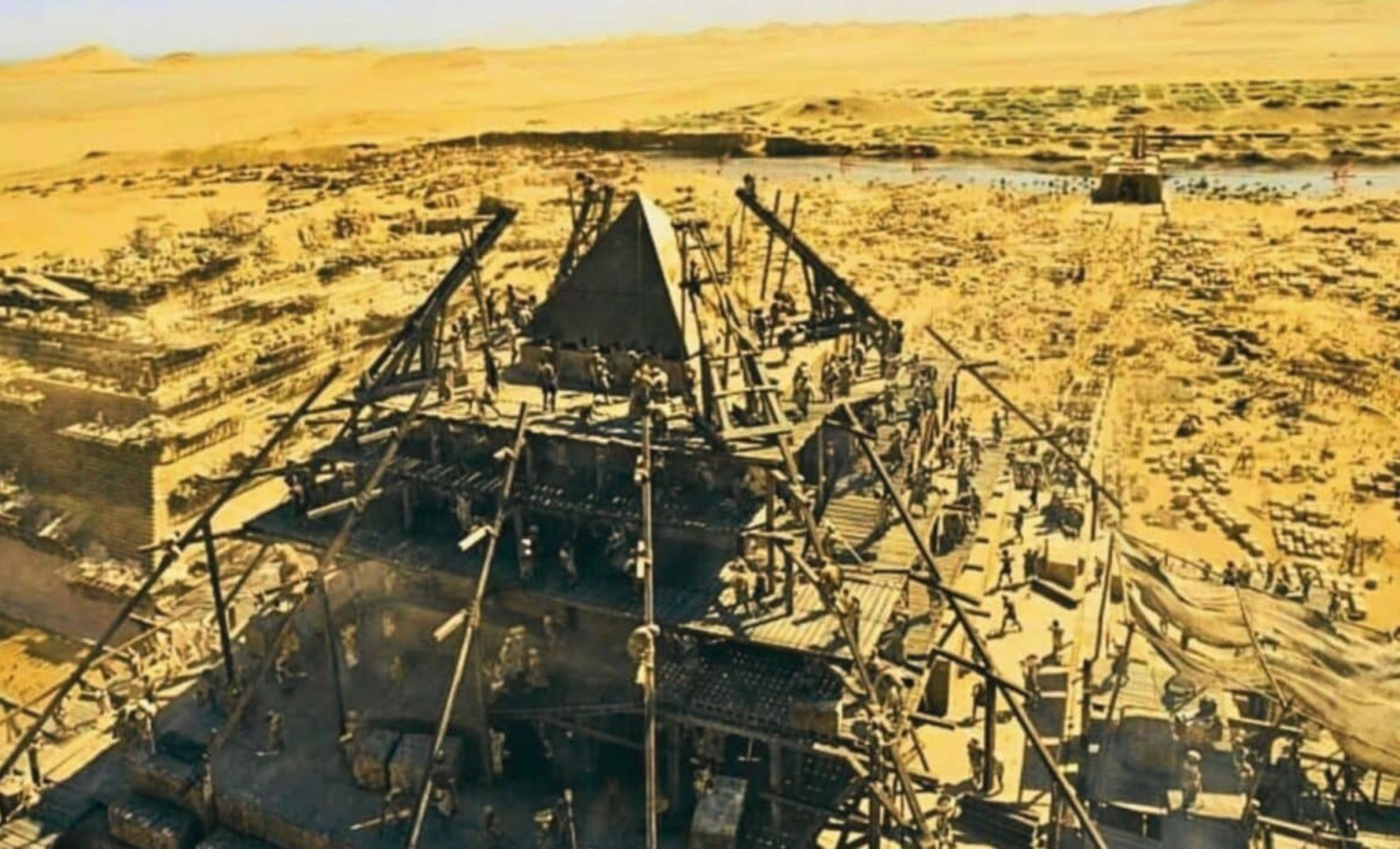
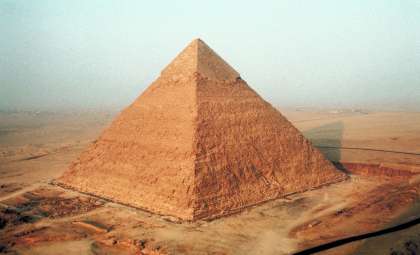
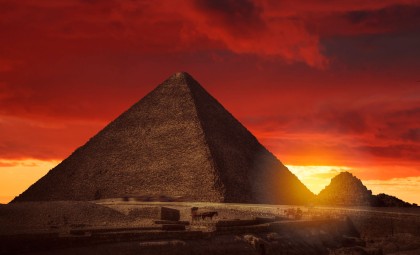
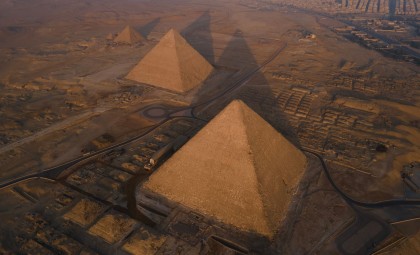
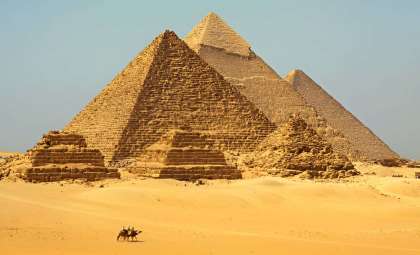
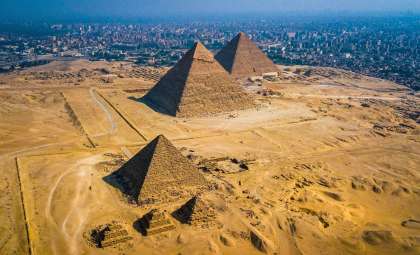
A groundbreaking geological investigation is sparking fresh discussions about the true age of Egypt’s Great Pyramid of Giza. Published in late 2025, the study argues that the exposed limestone of the pyramid has undergone erosion for a period far exceeding traditional archaeological estimates.
Central to this research is an erosion-based dating approach introduced by Italian engineer Alberto Donini. If validated, the results would rewrite history by placing the pyramid’s construction as early as 22,941 BC, predating the established pharaonic era by millennia.
Erosion Evidence Proposes Much Older Construction Date
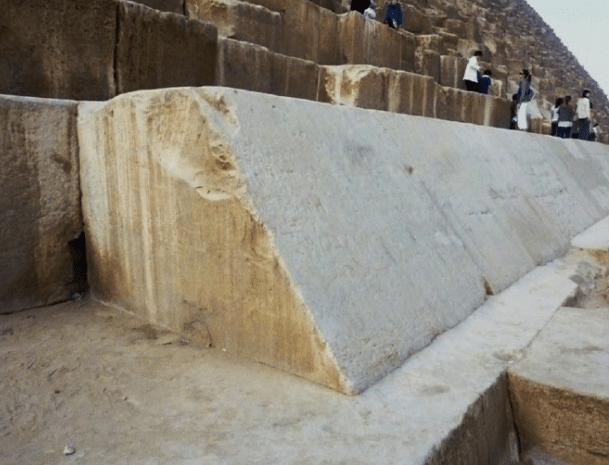
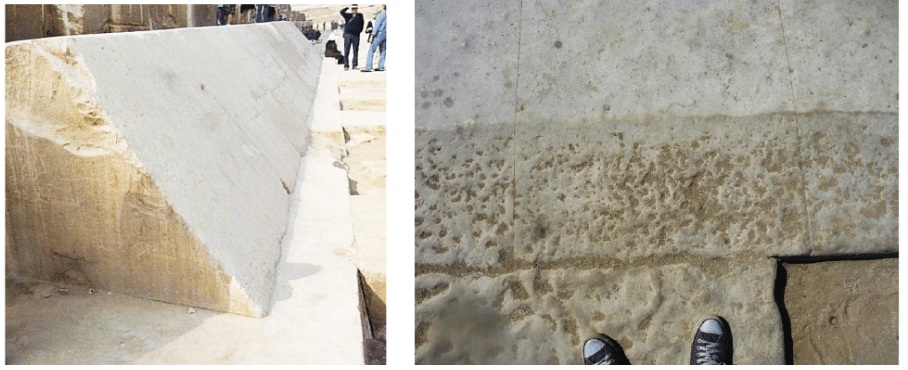
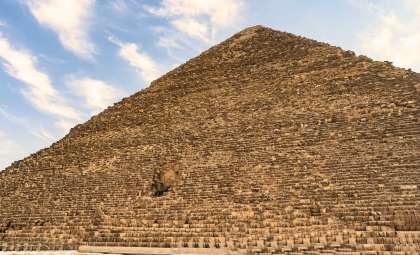
The study, named Preliminary Report on the Absolute Dating of the Khufu Pyramid Using the Relative Erosion Method (REM), was made available on ResearchGate in January 2026. Donini's technique compares erosion patterns on two limestone surface types: one continuously exposed since the pyramid’s construction and another shielded by outer casing stones until their removal in 1303 CE following a major earthquake.

Analyzing surface degradation across a dozen points along the pyramid’s base, Donini estimates exposure periods ranging between 5,700 and over 54,000 years. His model centers on a mean age around 22,941 BC, with a confidence range spanning from 8,954 BC to 36,878 BC.
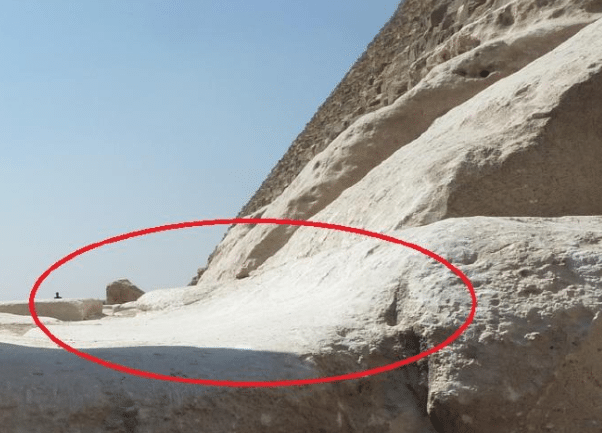
While the method offers an approximate timeframe, it stops short of delivering a definitive date, aiming instead to assess relative exposure durations.
“REM is not intended to determine an exact date of construction for an ancient building, but rather to identify a temporal interval and assign a probability to it,” the report states.
Challenges in Applying Erosion-Based Dating
The reliability of the REM technique depends heavily on the premise that limestone erodes at a consistent pace. However, geological experts highlight that erosion rates fluctuate due to varying environmental factors. Egypt’s climate history, in particular the wetter African Humid Period, could have altered erosion dynamics substantially.
Other influences complicate this picture, including wind erosion, sand coverage, biological activity, and human interaction. Uneven exposure, created by protective coverings lasting centuries, may also distort erosion estimates. Until these variables are fully accounted for, the precision of the REM method remains debatable.
Critics, including discussions highlighted by IFLScience, stress that erosion is influenced by many changing environmental conditions. Unless these influences are integrated into the REM model, estimated timelines may be significantly skewed.
Moreover, the approach assumes that the compared limestone surfaces are compositionally identical and have experienced similar conditions, an assumption yet to be independently confirmed. This has led experts to recommend cautious interpretation when utilizing REM alone for dating.
Conventional Chronology for the Great Pyramid Remains Robust
Mainstream Egyptologists date the Great Pyramid’s erection to circa 2560 BC, under Pharaoh Khufu’s rule. This timeline enjoys broad support from archaeological stratigraphy, construction methods, and inscriptions near and within related sites. Documents from Egypt’s Fourth Dynasty also attribute the pyramid to Khufu’s reign.
Radiocarbon analysis further supports this accepted timeframe by dating organic inclusions found in the building’s mortar. Samples, including charcoal and plant remains, consistently place construction within the third millennium BC. Multiple independent laboratories, including Oxford University and Egypt’s antiquities authorities, corroborate these results.
As noted by IFLScience, the convergence of ceramic styles, textual records, and radiocarbon dating forms a resilient framework for the pyramid’s established age, which is less susceptible to environmental inconsistencies than erosion-based models.
Could Khufu Have Renovated an Older Structure?
Donini’s work revives a speculative hypothesis long discussed outside mainstream archaeology: that while the pyramid predates Khufu, the pharaoh may have restored or repurposed the ancient monument and claimed authorship through subsequent markings.
“It is therefore plausible that the pharaoh Cheops merely renovated the Khufu pyramid, attributing its authorship to themselves,” the report notes.
Though the report offers no direct archaeological proof for this scenario, it suggests it as a potential conclusion should the REM approach prove accurate. While lacking support from established evidence, this idea continues to fascinate due to the pyramid’s enduring enigma.
Donini’s erosion dating study is part of a broader array of non-traditional research he has conducted, including inquiries into ancient interactions with non-human intelligences and mysterious megalithic sites. These topics have led some scholars to review his findings with increased skepticism; however, the REM report presents a structured methodology backed by statistical analysis.
- Categories:
- Science





0 comments
Sign in to Comment