
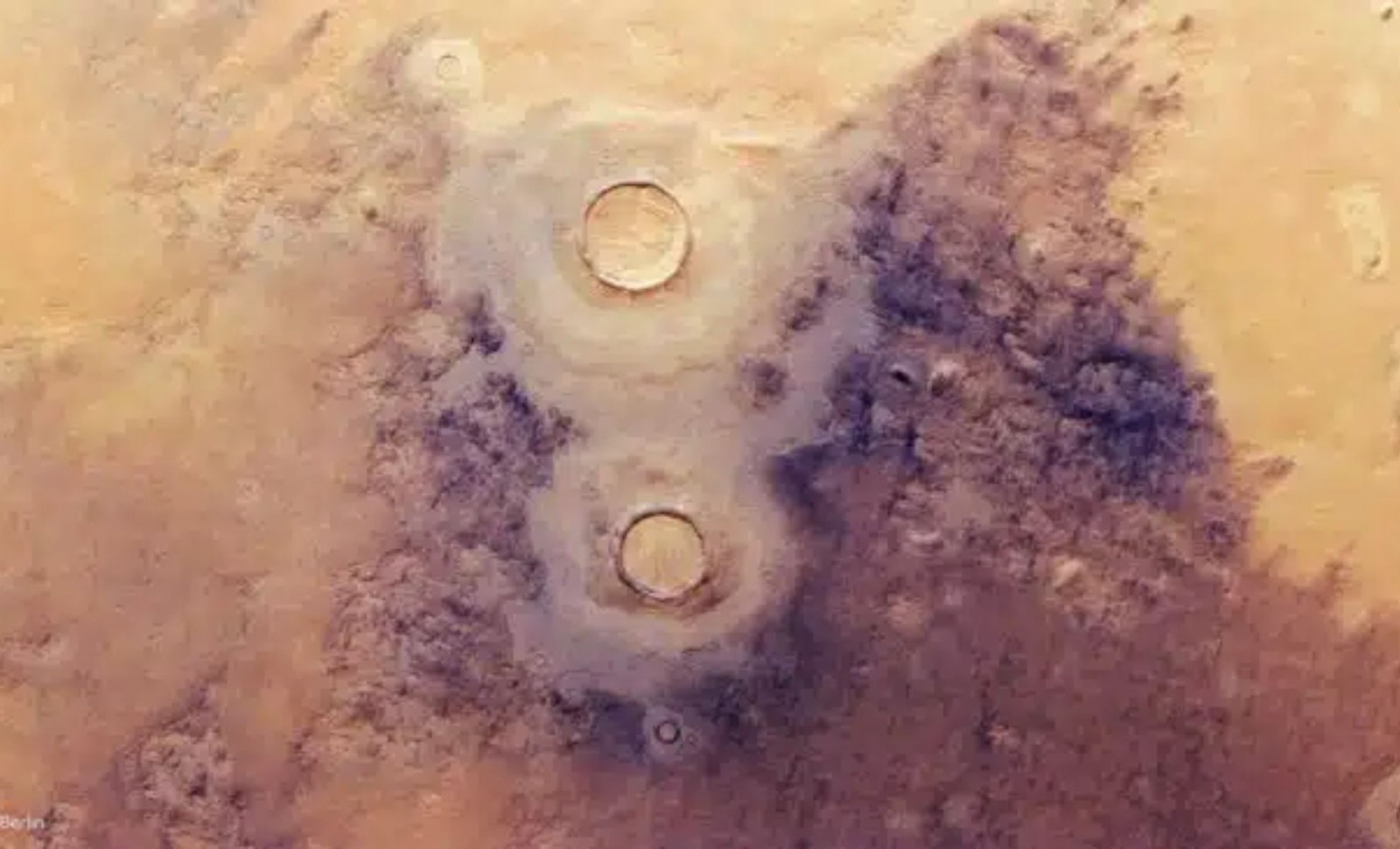
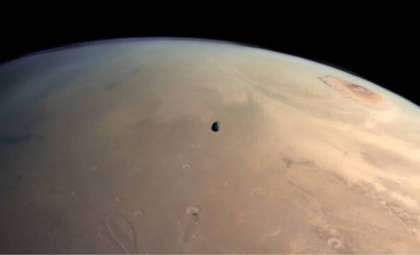
The Red Planet continues to captivate scientists, particularly regarding its history with water. For decades, experts have debated the existence and duration of liquid water on Mars. Recently, a team uncovered a hidden beach dating back more than 3 billion years, suggesting that Mars’ oceans endured far longer than once assumed.
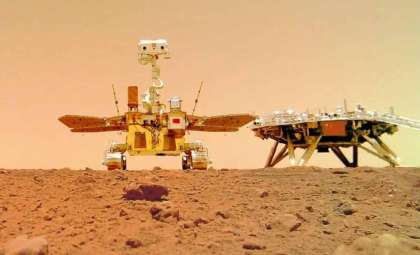
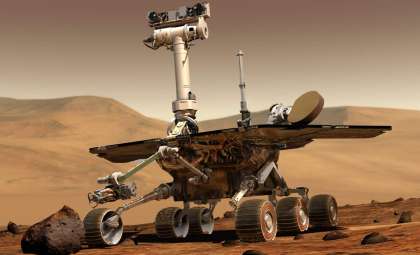
This landmark finding came from data gathered by the Chinese rover Zhurong during its 2021 mission across the Utopia Planitia basin. Led by Jianhui Li of Guangzhou University, researchers employed ground-penetrating radar to analyze subsurface geology, revealing signs of an ancient shoreline shaped by a vast ocean.
The Evolution of Water on Mars
It has long been established that Mars once hosted water. The Mariner 9 orbiter first detected valleys and features carved by water in the 1970s, fueling initial theories about past liquid flow. Further support has arisen from meteorites indicating water presence over 4.5 billion years ago, alongside more recent discoveries of ice deposits beneath Mars’ surface. Yet, critical questions remain: What volume of water existed, and did Mars ever harbor extensive oceans like Earth’s?

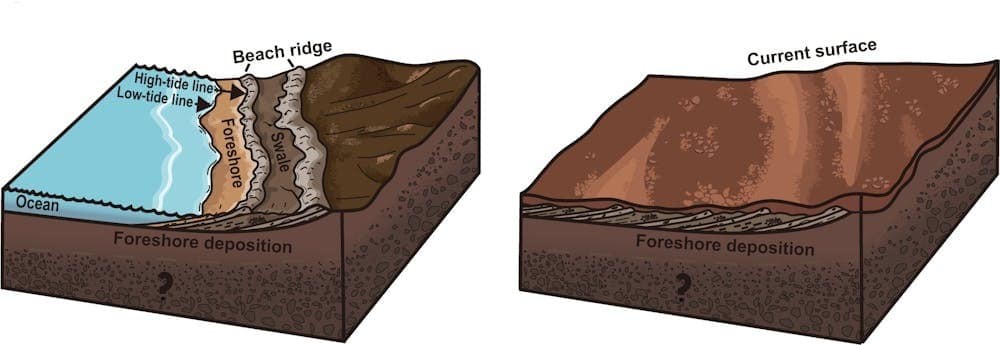
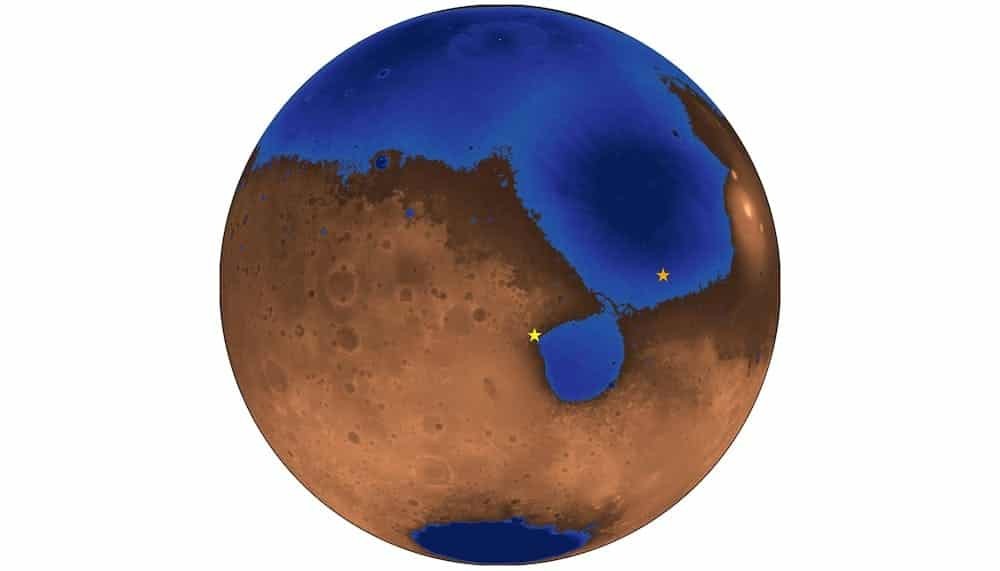
The recent study, featured in PNAS, zoomed in on a 1.3-kilometer area along the edge of Utopia Planitia’s basin—an area thought to have been part of a primordial ocean. Radar imaging uncovered stratified rocks resembling coastal sediments seen on Earth. These layers slope gently away from the ancient shoreline, indicating wave and tidal influences that formed beach-like deposits.
Rewriting Mars’ Hydrological History
Previously, scientists believed Mars transitioned quickly from a watery, potentially habitable planet to a dry, frigid environment by the Hesperian era. However, these newly identified beach sediments imply a much later presence of stable water bodies. If the Martian ocean persisted until around 3.7 billion years ago, it revises estimates of how long liquid water remained on the surface.
This has profound implications for the possibility of Martian life—be it microbial or more complex forms—that could have survived well beyond the planet’s arid phase. Future explorations might delve deeper into ancient shoreline deposits, searching for evidence of life beneath Mars’ surface.
NASA’s Perseverance rover is actively investigating a delta within Jezero Crater for traces of ancient life. Insights from Zhurong’s discoveries will undoubtedly guide future missions in targeting promising sites for water and biosignature detection on Mars. With continued exploration, scientists hope to uncover evidence proving that Mars was once far less barren than it is today.
- Categories:
- Astronomy







0 comments
Sign in to Comment