
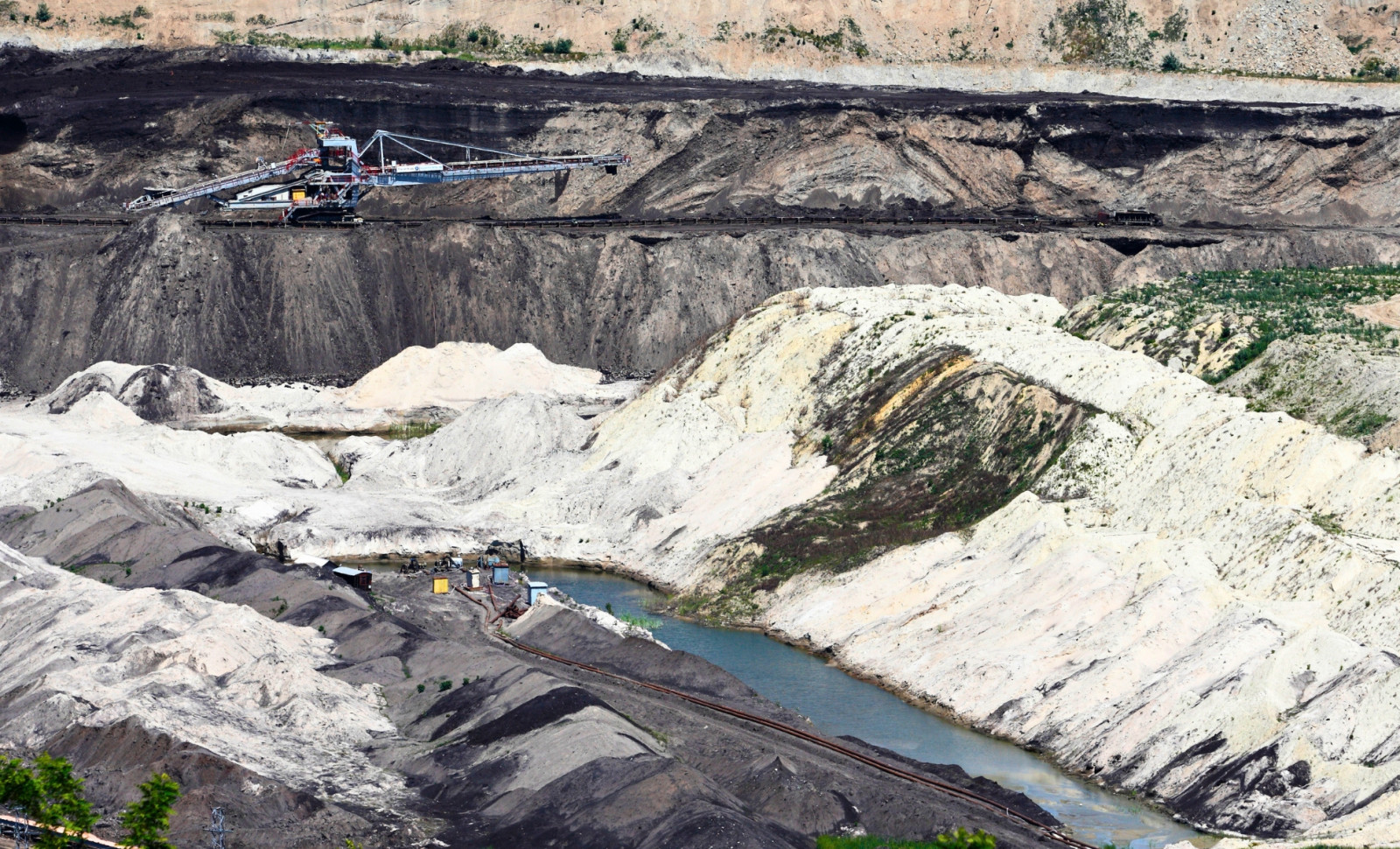
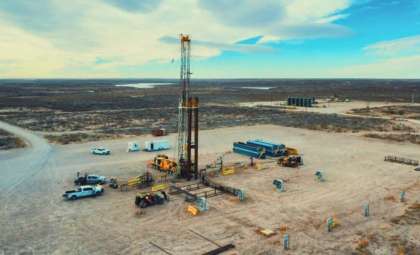
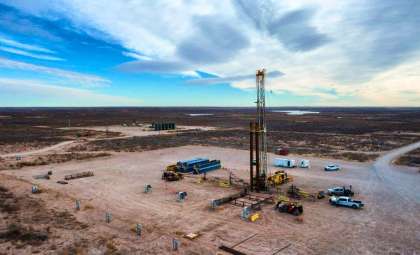
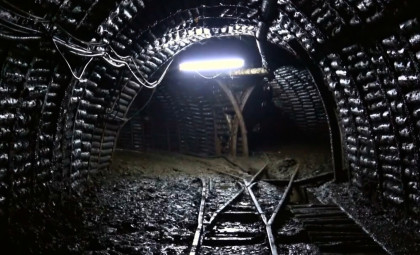
Near Pontpierre in northeastern France, a drilling operation initially aimed to measure leftover methane in exhausted coal seams of the Lorraine mining basin. Historically, this basin’s identity was shaped by the coal extracted and the abandoned mines, leaving towns like Folschviller seeking new economic direction. However, as geologists lowered sensors into the boreholes, they noticed unexpected gas readings during routine testing.
At depths around 1,100 meters, the data showed an unusual gas composition. The deeper the instruments descended, the more pronounced the anomaly became. By 3,600 meters, readings revealed concentrations far beyond initial expectations.
A Vast White Hydrogen Deposit Extending Across Borders
This unusual gas was identified as natural hydrogen, also known as white or native hydrogen. Confirmed through extensive drilling, this site is now recognized as one of the largest natural hydrogen deposits recorded.

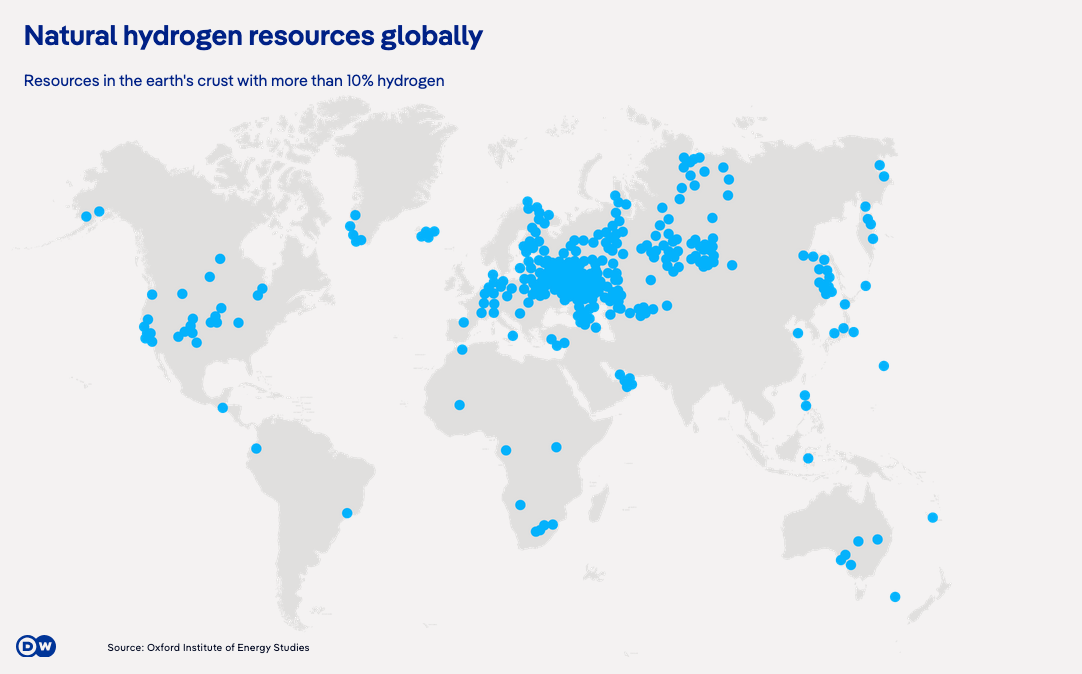
La Française de l’Energie (FDE) spearheads the exploration alongside the University of Lorraine and the French National Center for Scientific Research (CNRS), estimating the reservoir holds approximately 34 million tons of natural hydrogen. According to Belgian outlet VRT NWS, this hydrogen accumulation could stretch into Belgium, Luxembourg, and Germany.
That volume equates to nearly 1,100 terawatt-hours of energy—considerably more than Belgium’s annual electricity use, which is about 80 terawatt-hours. Joannes Laveyne, a Ghent University postdoc, highlighted the importance of this clean source, noting most hydrogen today is derived from fossil fuels that emit CO2.
This breakthrough stems from the Regalor research initiative, a collaboration between academia and industry. Philippe de Donato and Jacques Pironon of the GeoRessources Laboratory in Nancy developed advanced sensors for detecting deep geological gases. Their Folschviller site measurements revealed hydrogen at concentrations of 15 percent at 1,093 meters, with models predicting levels up to 98 percent at 3,000 meters.
De Donato and Pironon explained in FDE’s report: “The research within the Regalor project has demonstrated that fluids in the carboniferous formations of Lorraine are significantly enriched with hydrogen, showing 15% at 1,093m depth and up to 98% at 3,000m depth.”
Natural Hydrogen Generation Deep in the Earth
Unlike the hydrogen commonly produced today, which is synthetically created, natural or white hydrogen forms underground through chemical reactions between water and iron-bearing rocks far beneath the surface.
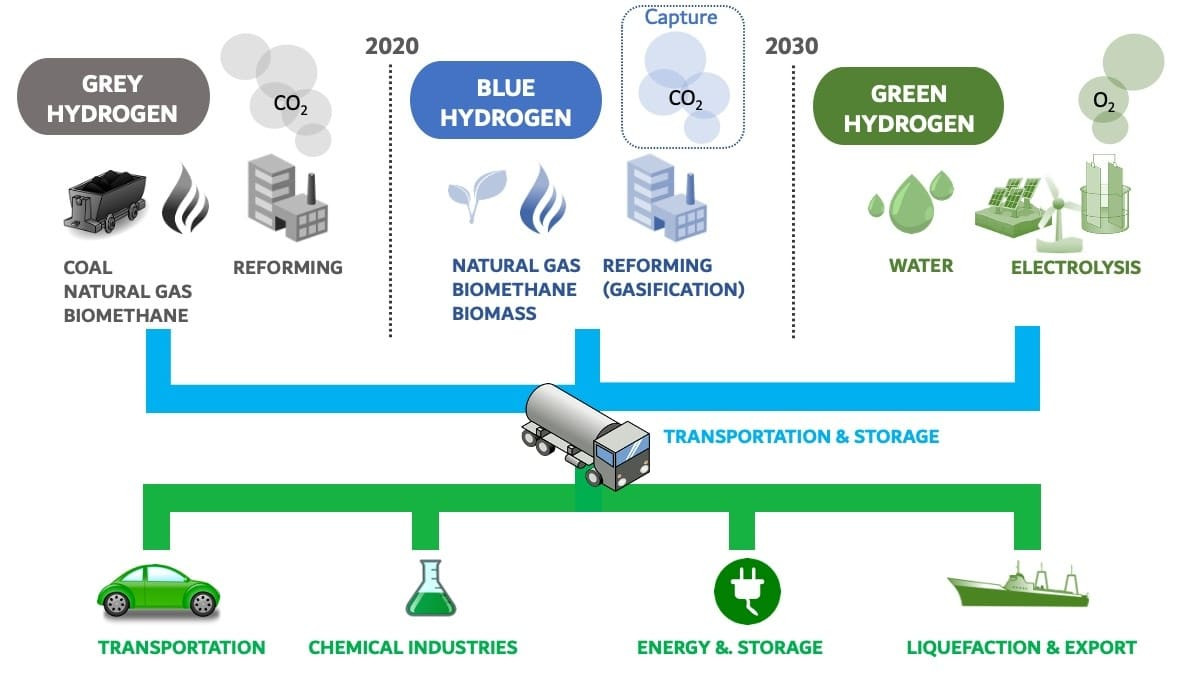
While natural hydrogen has been known for decades, prior deposits were usually too small to utilize broadly. This latest discovery suggests some reservoirs may be both large and sustainable enough to fulfill industrial demands without the carbon emissions linked to traditional hydrogen production. Some experts even believe these reserves naturally replenish due to ongoing rock-water interactions at depth.
Extracting Hydrogen: Technical Challenges Ahead
Joannes Laveyne highlighted the difficulties in capturing such a small and highly flammable molecule. “Hydrogen can permeate metal pipes and poses significant risks,” he said, emphasizing the need for new extraction and handling technologies before large-scale use becomes feasible.
He also pointed out an advantage of the site’s terrestrial location, making infrastructure development more practical than offshore projects. Despite the promising potential, Laveyne cautioned that substantial engineering and logistical obstacles remain before industrial-scale extraction is realized.
A Strategic European Hydrogen Corridor in the Making
The Lorraine basin’s economy has evolved from its coal and steel roots, and now might transition to hydrogen. A planned cross-border hydrogen pipeline, MosaHYc, managed by GRTgaz and CREOS, could serve as a key conduit for this resource.
The discovery offers a pioneering opportunity for Europe’s natural hydrogen ambitions. While several countries are exploring these reservoirs, none have yet achieved commercial production.
FDE is pursuing an exclusive mining exploration license named the “Trois-Évêchés Permit,” spanning 2,254 square kilometers in the Grand-Est territory. Upcoming detailed surveys in existing wells aim to clarify the reservoir’s characteristics and assess viability for future extraction.
- Categories:
- News

0 comments
Sign in to Comment