
Scientists in China have uncovered the nation’s inaugural supergiant helium-rich gas deposit located far beneath the Tarim Basin. This vast reservoir draws helium from ancient crustal rock formations estimated to be over a billion years old, marking a significant advance in helium resource discoveries.
Published in the journal Petroleum Science, the revelation of this field could reduce China’s dependence on helium imports and showcases an uncommon geological setting rarely seen in low-pressure, shallow gas systems. The find is capturing global geoscience and industry interest due to its distinctive geological origin and its promise as a lasting domestic helium supply.
Identifying a Giant Helium Reservoir
Globally, helium is mostly sourced as a byproduct from natural gas fields in select countries, which has caused volatile pricing when supply is interrupted. The newly discovered field, uncovered thanks to an investigation led by Jia-Hao Lv at the Northwest Institute of Eco-Environment and Resources, represents a major addition to this critical resource landscape.

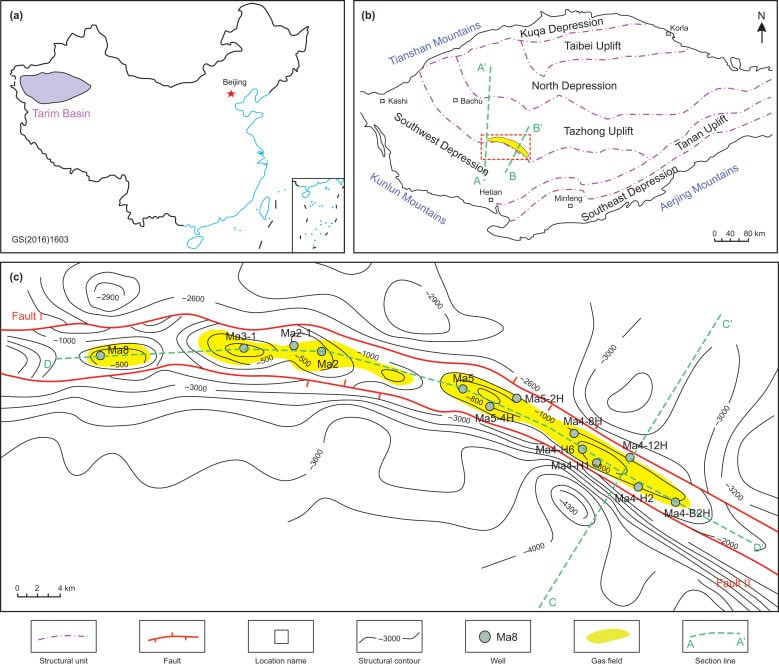
Positioned along the southern flank of the Bachu Uplift, the Hetianhe gas field shows helium concentrations ranging between 0.27% and 0.42% from multiple well gas samples. These values fall within the thresholds generally deemed viable for industrial helium extraction.
Extraction targets Carboniferous and Ordovician rock formations positioned at depths from approximately 4,800 to 9,100 feet. These moderate depths enable cost-effective production, and the consistent temperature and pressure levels provide operational stability. The field is designated helium-rich based on Chinese standards aligned with global rare gas industry benchmarks.
Granite Formation Dating Back Over a Billion Years
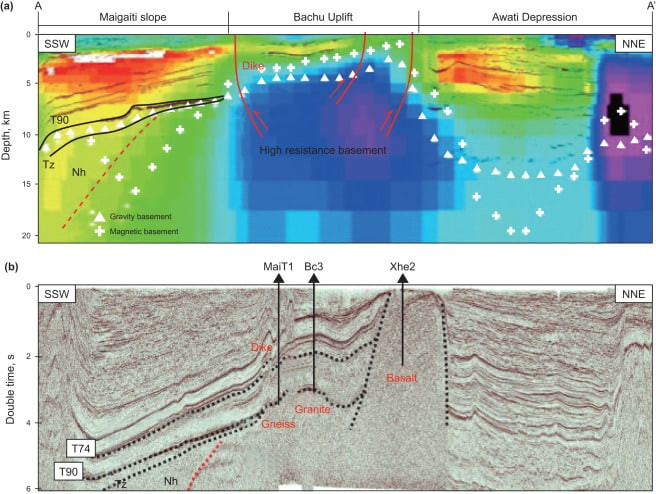
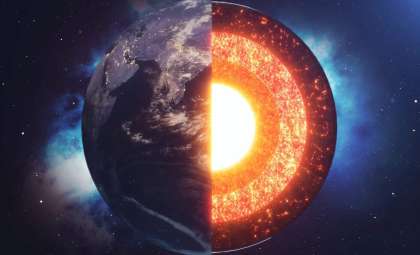
The vast helium reservoir stems predominantly from crustal origins, with helium primarily originating from Paleoproterozoic granite residing beneath the gas zones. The published research confirms via isotope data that nearly 99% of helium derives from crustal sources, while mantle input accounts for about 1%. The granite, aged at over a billion years, contains uranium and thorium that generate helium through radioactive decay over eons.
Helium accumulates within small imperfections in the granite crystals and slowly migrates upward via a network of deep-seated faults. Seismic scans verify vertical fractures cutting through overlying salt layers, channeling helium-rich granite gases towards shallower accumulations.
Role of Water and Nitrogen in Gas Trapping
The upward movement of helium from deep crustal sources is aided by its solubility in groundwater, which transports the gas over extensive vertical distances. At Hetianhe, the rising helium levels coincide with neon, suggesting a common migration route connected to subterranean water flow.
Nearer to extraction points, nitrogen-rich natural gas acts as the primary carrier of helium. Wells exhibiting elevated nitrogen content also show enhanced helium levels, with the richest accumulations found at uplifted, shallow structural highs where low pressure and strong geological uplift facilitate effective trapping of this chemically inert gas.
- Categories:
- News




0 comments
Sign in to Comment