
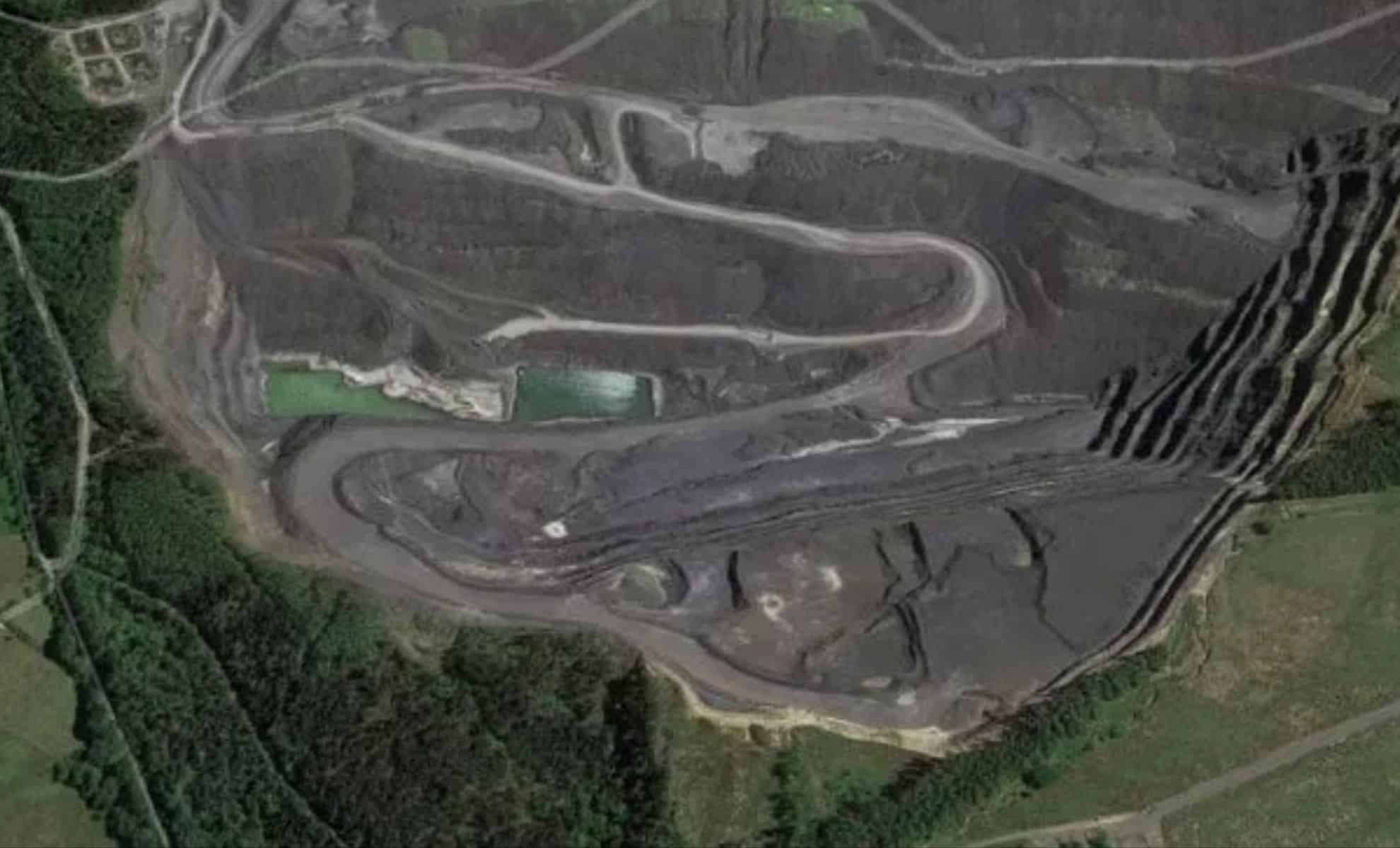
For many years, the United States has relied heavily on overseas suppliers for rare earth elements—vital components in devices like smartphones and electric cars. However, a recent breakthrough study conducted by researchers at The University of Texas at Austin reveals a previously overlooked source right in the country’s backyard. They have discovered rare earth elements valued at an estimated $8.4 billion contained in domestic coal ash deposits. This finding, reported in the International Journal of Coal Science & Technology, could significantly alter the way the U.S. approaches securing critical minerals and reduce its dependency on imports.
Transforming Coal Ash from Waste to Valuable Asset
Coal ash is a byproduct formed after coal combustion for energy production and has accumulated in large quantities across the nation. Historically treated as waste and relegated to landfills or used in construction materials like cement, new advancements in geoscience and mineral extraction technology are redefining these deposits as rich sources of rare earth elements.
“This truly captures the essence of turning ‘waste into wealth,’” explained Bridget Scanlon, co-principal investigator and research professor at UT Austin’s Bureau of Economic Geology. “Our goal is to create a sustainable cycle that recovers valuable resources from waste while minimizing environmental harm.”

Rare earth elements, including 17 key materials like neodymium, dysprosium, and yttrium, are crucial in producing batteries, magnets, and clean energy devices. Since approximately three-quarters of the U.S.’s supply comes from China, discovering such a large domestic source presents an important strategic advantage.
A Hidden Giant in U.S. Coal Ash Stocks
The investigation estimates that nearly 11 million tons of rare earth elements exist within coal ash reservoirs nationwide—almost eightfold the amount currently recognized as domestic reserves. This comprehensive first-of-its-kind evaluation offers a valuable baseline to guide future exploration and development investments.
“Large quantities of these materials are dispersed across various sites,” said Davin Bagdonas, a research scientist from University of Wyoming. “Plus, since the minerals are already liberated from the original ore through the coal burning process, extraction is potentially easier than traditional mining.”
In contrast to conventional mining, which requires extensive digging and processing, recovering these elements from coal ash could demand far less energy due to the prior separation stage during combustion.
Regional Variability in Rare Earth Element Yield
Not all coal ash deposits have the same potential for rare earth recovery. The study emphasizes regional differences in coal types that influence both the concentration and ease of extraction of these valuable minerals.
- Coal from the Appalachian Basin is richest in rare earth content (around 431 mg/kg), but only 30% of these elements can be readily extracted.
- Powder River Basin coal features a lower concentration (264 mg/kg) but boasts a much higher recoverability rate of 70%, making it an attractive source.
- The Illinois Basin and other areas present intermediate values, offering additional opportunities for extraction.
“Understanding these differences helps identify which deposits offer the best economic prospects,” said Scanlon. “Our broad survey sets the stage for more detailed site evaluations.”
From 1985 through 2021, U.S. coal ash production reached approximately 1.87 billion tons, with about 70% still accessible for recovery. Even retrieving a modest portion of the rare earth elements from this vast supply could yield significant economic and strategic benefits.
Advancing Rare Earth Recovery from Waste Materials
Though promising, rare earth extraction from coal ash remains in the nascent stages, mostly confined to laboratory studies and small pilot projects. The U.S. Department of Energy is adopting the study’s findings into its national resource evaluations, showing growing governmental interest in developing this sector.
One company, Element USA, is spearheading efforts to commercialize these methods. The firm is relocating its lab and pilot operations to Austin to collaborate with UT researchers in refining mineral separation processes and training specialists.
“Extracting rare earths from mining waste byproducts is logically sound,” stated Chris Young, chief strategy officer at Element USA. “The next step is converting this sensible idea into a financially viable venture.”
Despite challenges ahead, experts are hopeful. With sufficient investment, technological advancements, and supportive policies, the U.S. could soon tap into coal ash as a substantial source of rare earth elements, bolstering supply security and powering future innovations.
- Categories:
- News










0 comments
Sign in to Comment