
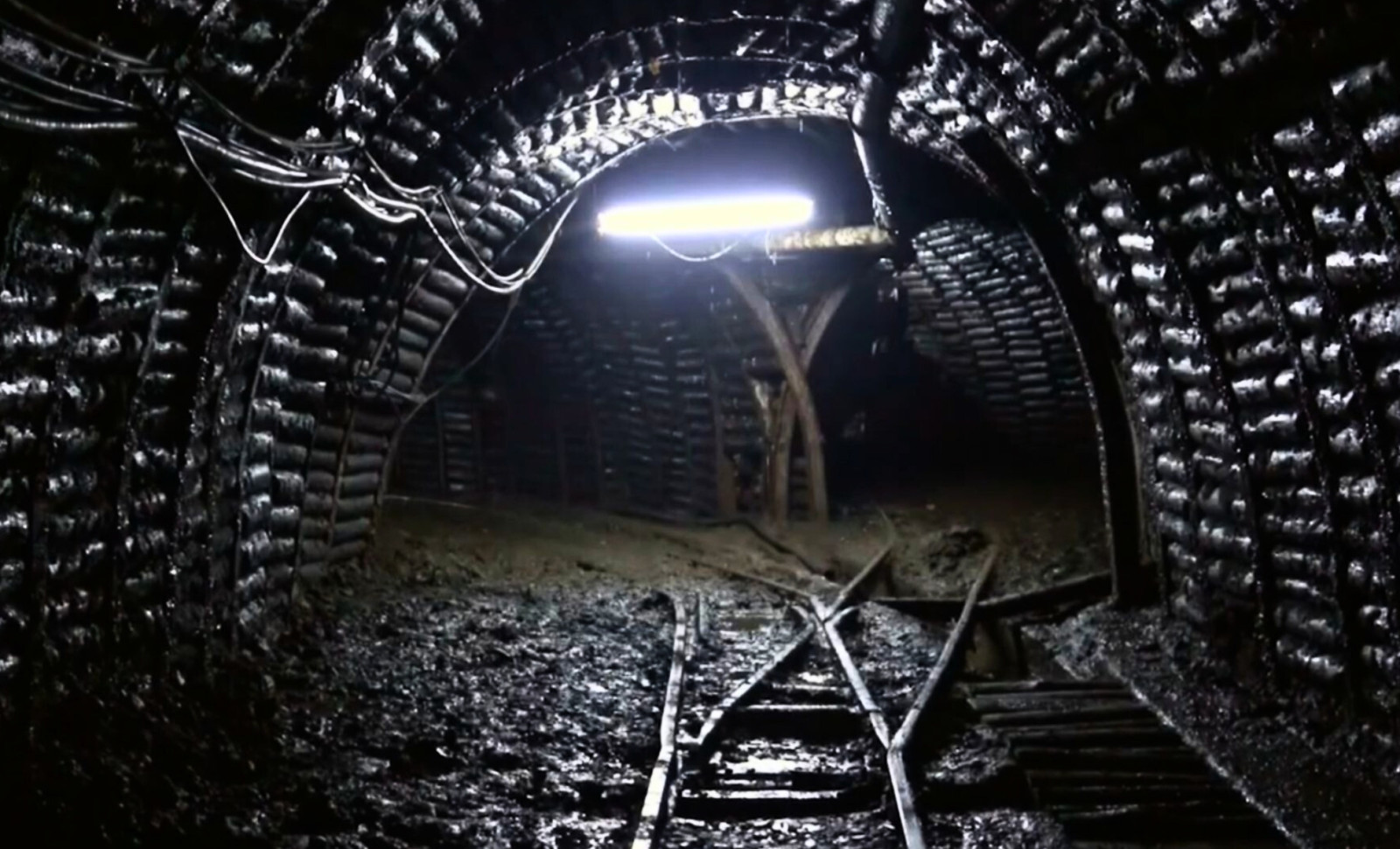
Deep beneath sections of the Appalachian Mountains lie countless mine shafts stretching far below the surface. Some shafts plunge over 1,000 feet down, connected by extensive corridors carved out over decades of coal mining. These tunnels were originally designed to transport miners, equipment, and heavy coal loads along reinforced routes capable of withstanding intense underground pressures.
While many of these tunnels remain structurally sound, they have long been left unused. Rusted cribs and sealed access points now mark the locations of deserted coal mine sites in states like Pennsylvania and West Virginia, testaments to an industry that once fueled much of the nation. Instead of generating power, these sites often pose environmental hazards due to potential groundwater contamination and subsidence risks.
The sheer magnitude of these underground networks is striking. Government studies estimate over 500,000 abandoned coal mines scattered throughout the U.S., many adjacent to communities, highways, and industrial areas established around mining activity over the past century.

Scientists at Oak Ridge National Laboratory have begun investigating whether these deep, existing shafts could be repurposed. Instead of permanently closing these sites, engineers envision using former coal mines as innovative energy storage solutions to support the modern electrical grid.
Exploring the Depths of Decommissioned Mines
Coal mining operations created some of North America’s deepest engineered vertical shafts. Many extend hundreds or thousands of feet below ground, maintaining relatively stable temperatures year-round. During construction, robust reinforcements stabilized the rock to ensure passages would endure many years of heavy industrial use.
This engineering legacy left a complex underground network of vertical and horizontal tunnels carved through coal layers. According to experts, this subterranean framework offers conditions rarely matched by contemporary construction projects.
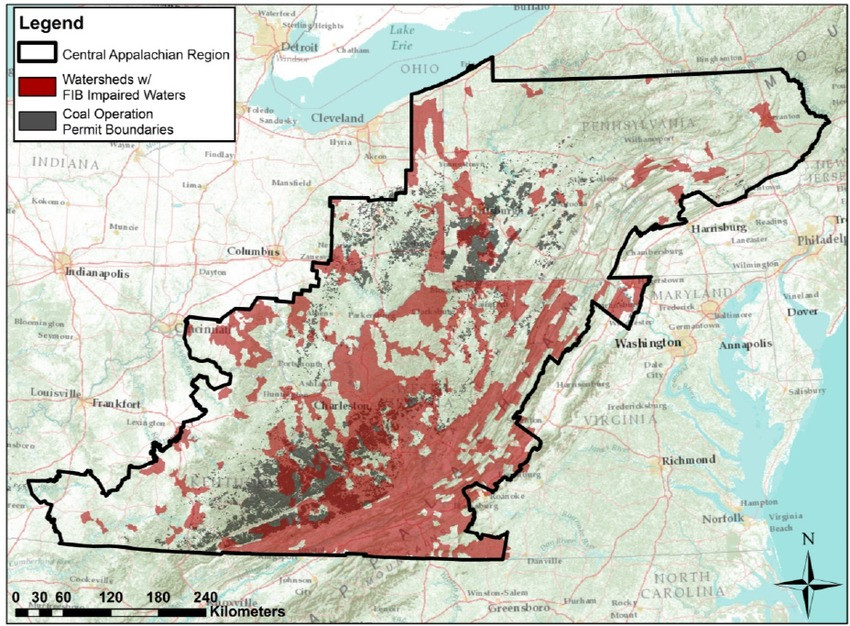
Researchers at Oak Ridge National Laboratory in collaboration with the U.S. Department of Energy have spent years assessing how this infrastructure might enable innovative power storage techniques. Their findings indicate the depth and durability of abandoned coal mines could suit them well for large-scale electricity storage.
This approach addresses critical challenges utilities face as the U.S. integrates increasing amounts of renewable energy sources like solar and wind. Efficient methods are needed to store surplus energy generated during peak production and release it during periods of high consumption.
Using Gravity to Transform Mines into Natural Batteries
A promising technology leverages gravity rather than chemical processes to store energy. Developed by Green Gravity, this concept transforms mine shafts into mechanical energy storage systems.
In practice, surplus electricity powers motors that hoist massive weights to the top of a shaft. When electricity demand surges, these weights slowly descend, driving a generator to convert their energy back into electricity fed to the grid.
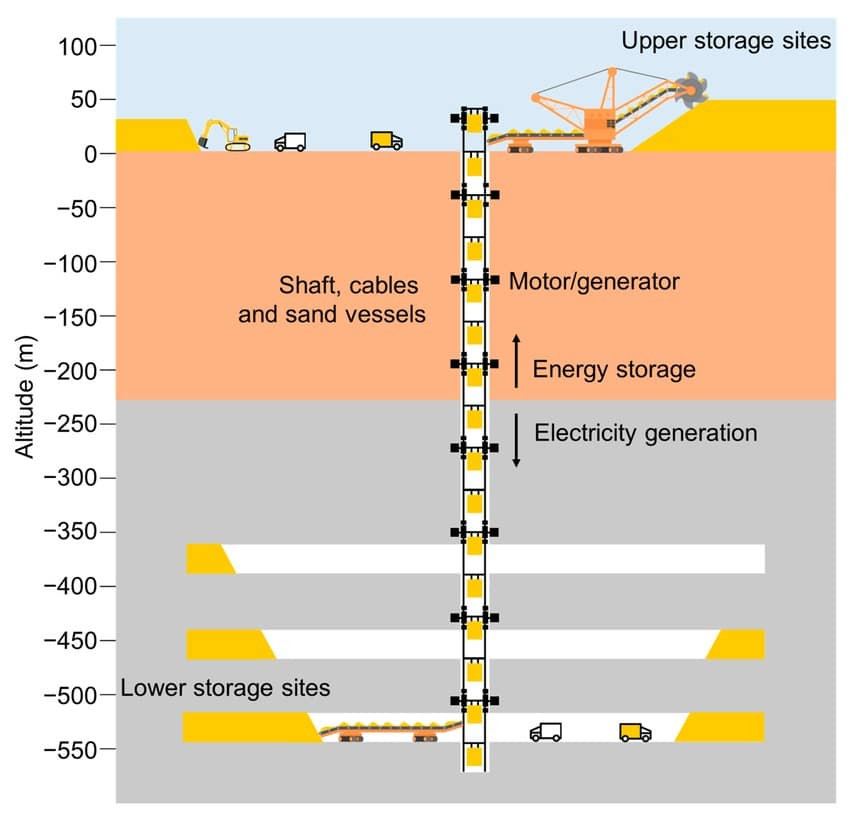
Mark Swinnerton, founder of Green Gravity, summarized the idea: “Our system harnesses gravity’s timeless principles and utilizes existing mine infrastructure to offer a durable, affordable energy storage solution.”
The weights employed often consist of dense concrete or recycled steel to maximize their mass. Since this method relies on mechanical movement instead of chemical reactions, it can sustain performance over many decades, avoiding degradation common in lithium-ion battery technologies.
Scientists emphasize how the natural depth of many abandoned coal mines generates sufficient gravitational potential to support substantial energy storage capacity using this technique.
Harnessing Water and Air in the Subterranean Labyrinth
Besides gravity-based systems, engineers are also investigating pumped storage hydropower options within old mining networks.
This technique stores energy by pumping water between reservoirs at different levels. When demand is low, water is pushed to an upper reservoir; when demand rises, water flows back through turbines, generating electricity.
Within a mine, the deepest tunnels could serve as the lower reservoir, with surface or shallower shafts forming the upper reservoir. This creates a closed-loop hydropower system that avoids ecological disruption caused by dams or flooding natural landscapes.
Another avenue under exploration is compressed air energy storage within the branching horizontal tunnels. Electricity operates compressors that inject pressurized air into underground cavities. When energy is required, this compressed air is released to spin turbines that create power.
The multitude of horizontal tunnels in abandoned coal mines offers vast enclosed spaces ideal for storing compressed air. The surrounding geology helps maintain high pressure and energy efficiency.
Assessing 500,000 Abandoned Mines for Energy Potential
Identifying which sites can support these novel energy storage methods demands thorough evaluation. Leading this effort, Olufemi Omitaomu and his team at Oak Ridge National Laboratory have created a mapping tool to pinpoint promising mine locations nationwide.
This system assesses mine depth, geological soundness, and nearness to existing power transmission lines. Mines passing these assessments qualify as prospective candidates for energy storage installations.
Many candidate locations are conveniently situated near electrical infrastructure originally built for mining operations. These power lines supplied ventilation, water pumping, and mining equipment, potentially lowering costs and timelines for connecting new storage systems to the grid.
Several identified sites reside in regions that faced economic downturns following coal industry declines. Repurposing abandoned coal mines for energy storage could rejuvenate these areas with modern technical jobs and investment.
Ongoing research at Oak Ridge National Laboratory aims to confirm which mines meet the structural and geological criteria required for subterranean storage systems. Their national database lists mines suited for both gravity-based and underground compressed-air or water energy storage technologies.
- Categories:
- News




0 comments
Sign in to Comment