
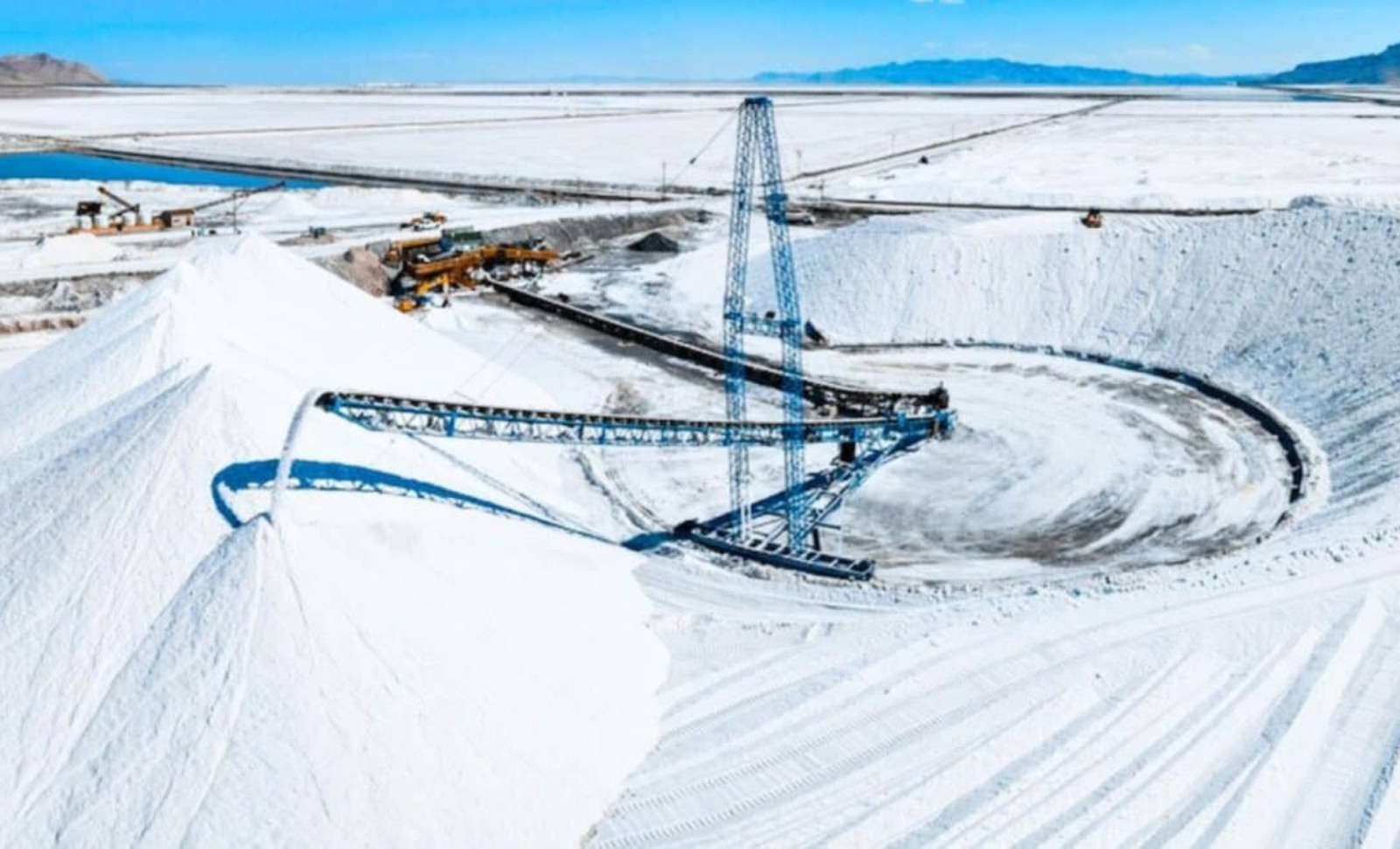
On September 24, 2025, Neptune Energy revealed new progress in the Altmark region of Saxony-Anhalt, an area traditionally known for natural gas rather than battery metals. The firm expanded its presence within former hydrocarbon zones by acquiring a third lithium exploration permit in August 2025, consolidating more of the territory under a unified development strategy. This expansion suggests ambitions well beyond a mere experimental pilot operation.
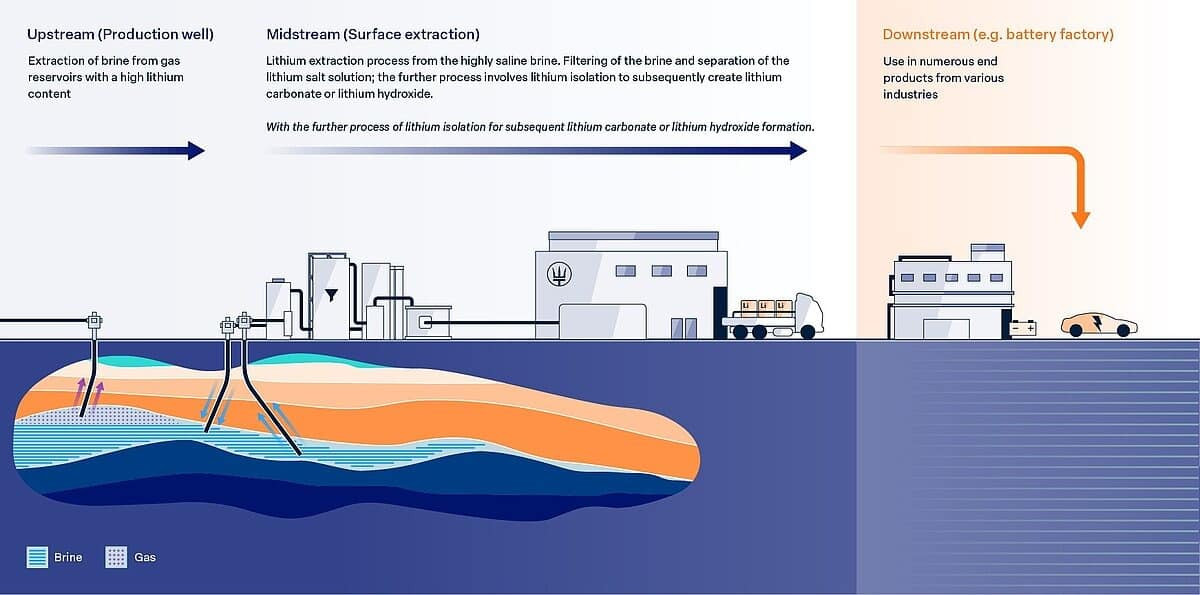
The context is unique in the lithium sector. Since 1969, Neptune Energy and its predecessors have been extracting natural gas in Altmark, a region with over 55 years of gas-related resource activity. Rather than establishing conventional mining operations, the company targets deep, hot, mineral-rich brine reservoirs beneath the surface, utilizing the very subsurface systems once tapped for fuel.
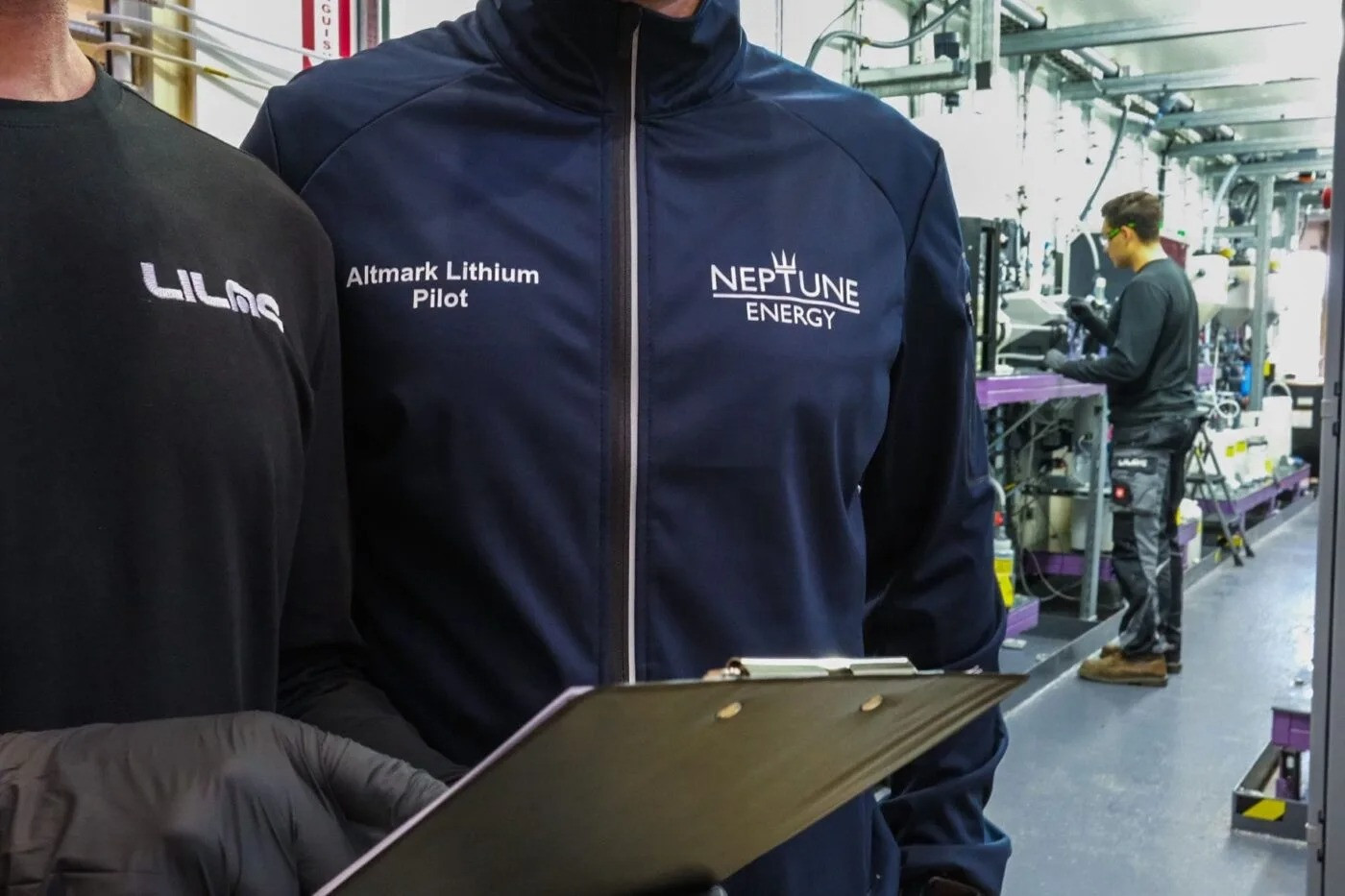
This transition has advanced past initial experimentation stages. Neptune Energy announced the completion of its second pilot project in collaboration with Lilac in August 2025, successfully extracting battery-grade lithium carbonate from the Altmark brine using an ion exchange technique. A third pilot phase began in mid-September, focusing on testing an adsorption method, while preparations are underway for a forthcoming demonstration plant featuring fully integrated extraction technology. Although the region is historically linked to gas wells and pipelines, the extraction infrastructure bears a resemblance to existing setups despite producing a different commodity.

Insights from the Deep Brines
Geological research connected to the basin has clarified the resource’s characteristics. In a 2025 conference paper, J. Böcker from Neptune Energy described the Altmark brines as heavily mineralized and notably enriched with lithium. These fluids reside in Upper Rotliegend sandstones and likely in underlying Lower Rotliegend volcanic layers, at depths ranging from approximately 3200 to over 4000 meters TVDSS. The research identified an average lithium concentration of about 375 mg/l.
The paper also proposed the lithium’s origin. Böcker attributed it to lithium leaching from phyllosilicate minerals, especially mica, present within Rotliegend volcanic rocks and volcanic fragments redeposited within the sandstone reservoir. At temperatures exceeding 120 °C, interactions between these minerals and formation waters enriched the brines. This indicates a large, coherent deep fluid system rather than a sporadic find.
Only after this analysis did Neptune Energy proceed to estimate the resource’s commercial potential. In its September 2025 release, the firm stated that the independent evaluator Sproule ERCE assessed the Altmark lithium project under the CIM/NI43-101 framework. Their estimate revealed a substantial resource of 43 million tons of lithium carbonate equivalent (LCE) across Neptune’s license areas in northern Saxony-Anhalt. This discovery elevated the project’s profile into one of Europe’s significant lithium developments.
Neptune Energy’s Extraction Strategy
The extraction technique is fundamental to Neptune Energy’s approach. The company employs direct lithium extraction (DLE) from brine, steering clear of traditional open-pit mines or evaporation pond methods. This is crucial in Altmark because existing wells, industrial infrastructure, and specialized subsurface knowledge from decades of gas work are already in place. Rather than constructing new mining facilities, the project repurposes former energy assets.
Neptune Energy currently holds the Jeetze-L production license along with three lithium exploration permits: Milde A-L, Milde C-L, and Milde B-L. These licenses cover a region rich in historic infrastructure and operational familiarity, enabling access to comprehensive data and established logistics. As Axel Wenke, Neptune’s Director of New Energy, emphasizes, “The Altmark region combines geological potential, established infrastructure, and technical know-how – perfect conditions to successfully complete the transformation from natural gas production to environmentally friendly lithium extraction.”
Despite these advances, Neptune Energy stresses that the pilot phases are preliminary, representing early steps toward full development. Additional mining permits will be necessary, followed by a demonstration phase before any commercial output. Altmark is not yet a finalized source of lithium supply but a well-characterized basin poised for the next stage of development.
Rising Interest in Altmark
The timing aligns with Europe's broader initiative to source critical raw materials domestically. In March 2023, the European Commission introduced the Critical Raw Materials Act, which aims for at least 10% of the EU’s yearly demand for strategic minerals to come from extraction inside the bloc by 2030. The act also sets goals to enhance processing and recycling while reducing reliance on single foreign suppliers. Projects like Altmark fit into this framework as they integrate within Europe’s existing industrial landscape.
Globally, the lithium supply chain remains concentrated in just a few key regions. A Harvard International Review article famously dubbed Chile, Argentina, and Bolivia as the Lithium Triangle, an area with massive resources beneath its salt flats. Although not a current technical estimate, the article highlights why European lithium projects attract interest: domestically sourced lithium provides an alternative to transoceanic transport-dependent supplies.
At present, Neptune Energy’s disclosures are focused and factual. The company announced the successful completion of two pilots, the launch of a third, acquisition of additional Altmark licenses, and an independent assessment indicating 43 million tons of LCE in northern Saxony-Anhalt. These developments, outlined in the September 24, 2025 bulletin, mark a significant milestone in Europe’s battery metal landscape.
- Categories:
- News




0 comments
Sign in to Comment