
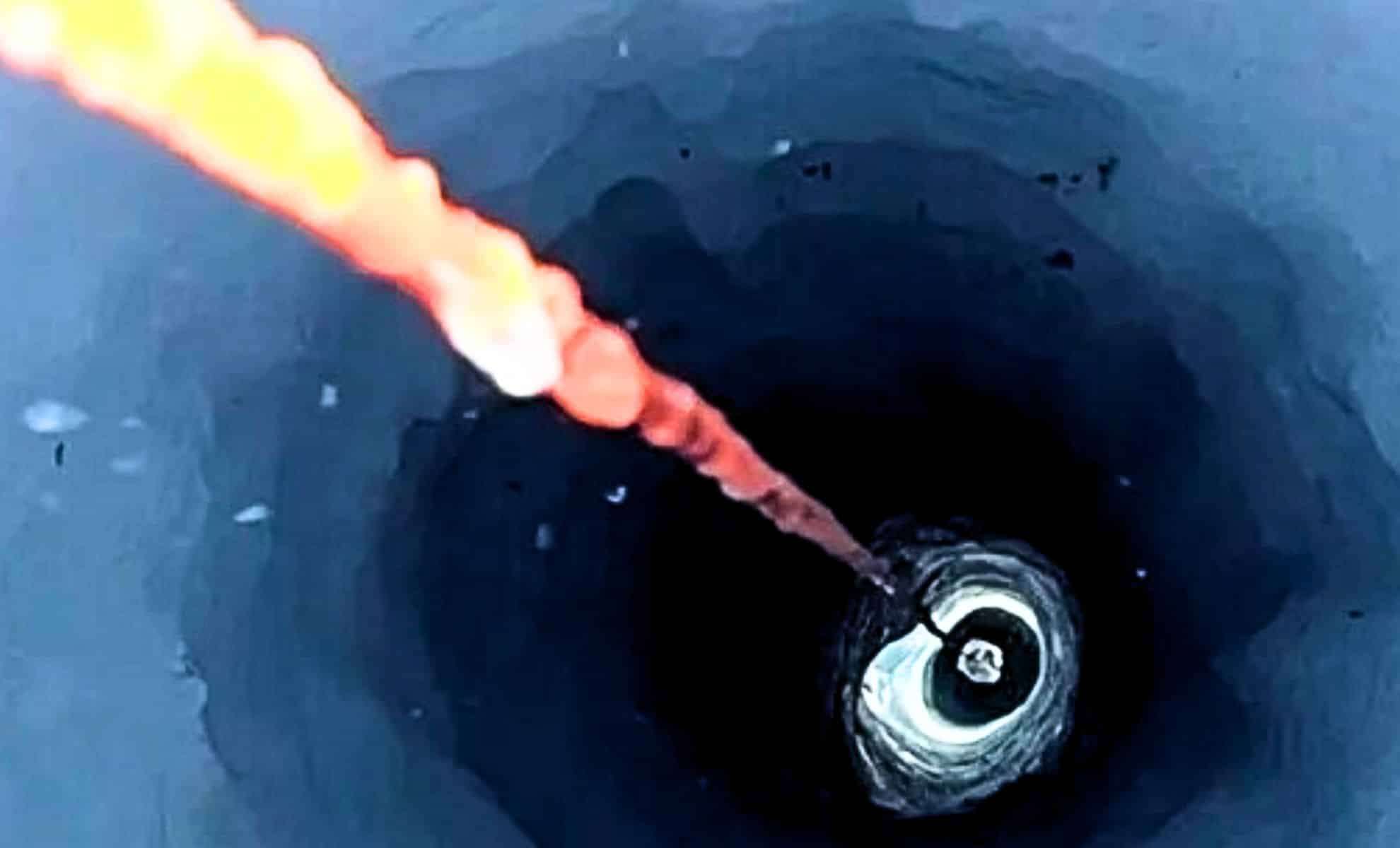
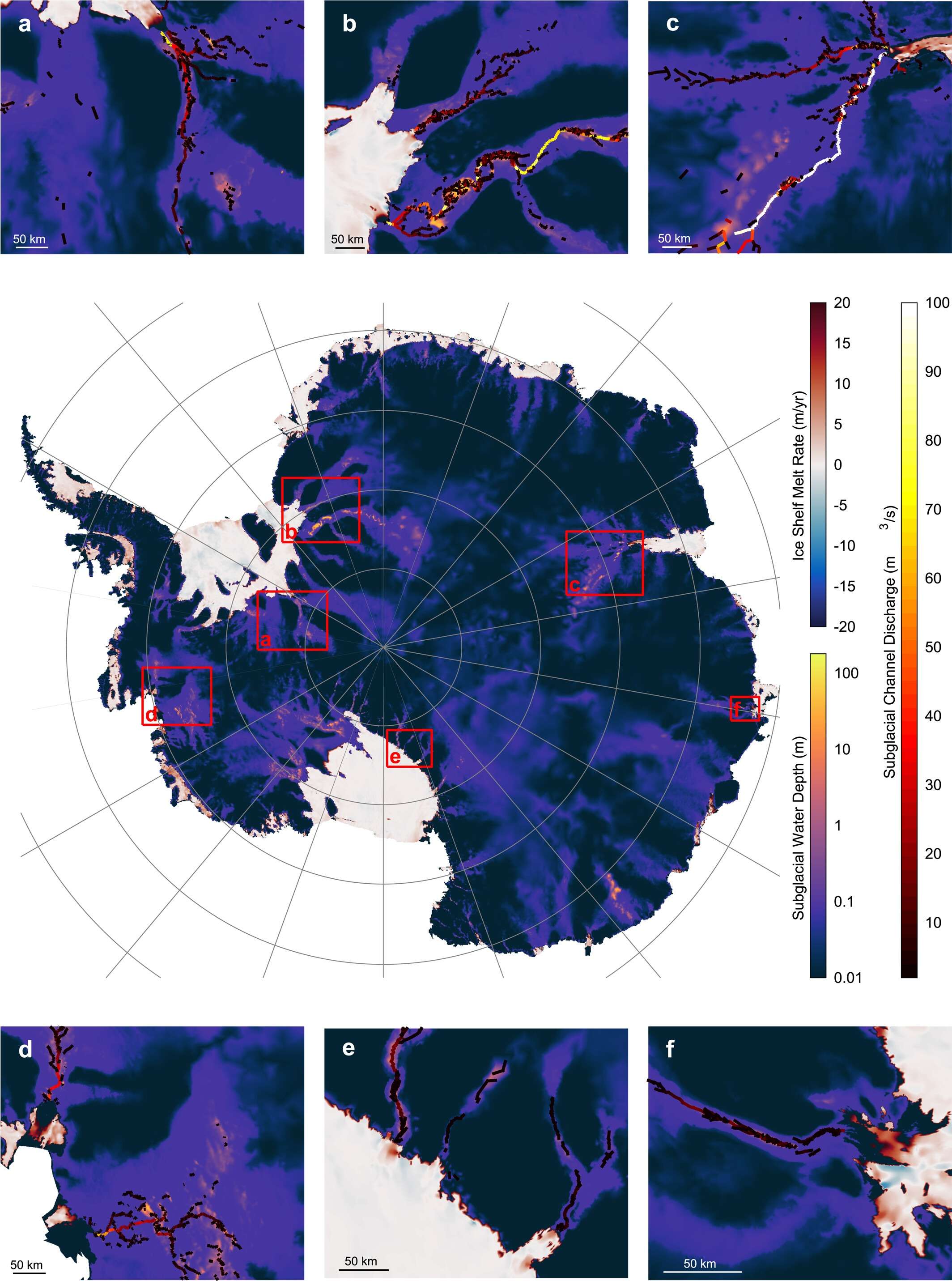
Scientists have identified an extensive subsurface water system beneath Antarctica that significantly impacts the ice sheets' movement toward the ocean. By employing sophisticated computer simulations, the team has charted this concealed "plumbing" network, demonstrating how subglacial water pathways drive glacier acceleration and influence rising sea levels.
The findings, featured in Geophysical Research Letters, emphasize the crucial role of subglacial water flow in governing ice sheet dynamics. The team observed that the lowest effective pressures exist within Antarctica's interior and beneath the outlet glaciers at its edges, accelerating ice motion and raising alarms over the West Antarctic Ice Sheet's stability.
Unveiling the Role of Hidden Water in Antarctic Glacier Dynamics
Pressurized water coursing beneath the Antarctic ice profoundly alters glacier behavior. Led by glaciologist Shivani Ehrenfeucht from the Georgia Institute of Technology, the researchers integrated two modeling approaches to gain insight into how subglacial hydrological systems influence ice flow.

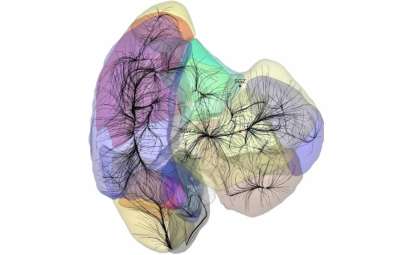
The study combined the Glacier Drainage System Model, which maps fluid movement beneath ice sheets, with the Ice-sheet and Sea-level System Model that simulates glacier responses to climatic conditions. This integration produced a detailed picture of Antarctica’s underground water channels and their effect on ice dynamics.
Neil Ross, a geophysicist at Newcastle University who was not involved in the research, highlighted that the model enables scientists to pinpoint where subglacial water accumulates, particularly under thicker ice sections where elevated pressures facilitate faster glacier sliding.
Link Between Ice Shelf Decline and Accelerated Glacier Flow
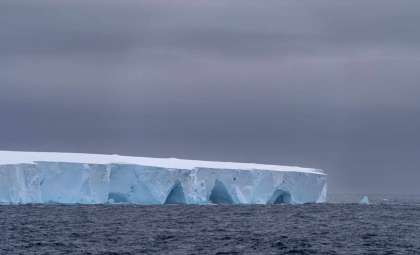
The research also highlights the importance of Antarctica’s ice shelves, which act as restraints that slow the discharge of ice toward the sea. However, intensified melting is weakening these natural barriers, potentially leading to faster glacier movement.
Researchers warn, "If these ice platforms disappear, increased ice discharge from the bedrock into the ocean could further elevate sea levels." Many of the newly mapped subglacial channels overlap regions where ice shelves are thinning due to warming ocean currents, implying that freshwater flow beneath the ice is exacerbating ice loss.
The model successfully predicted locations of several known subglacial lakes in West Antarctica as well as extensive underground waterways channeling meltwater to the ocean. Some of these conduits may be responsible for the accelerated melting observed in the Amundsen Sea Embayment, an area experiencing pronounced glacial retreat.
A Critical Glimpse Into Antarctica’s Changing Future
Projections estimate Antarctic ice melt could boost global sea levels by as much as 30 centimeters (12 inches) by the year 2100. This new research indicates the melting could advance more rapidly due to pervasive subterranean water networks speeding glacier flow toward the ocean.
Rupert Gladstone, a glaciologist at the University of Lapland, notes that as subglacial pressure diminishes, ice mobility increases. He explained, "When pressures near zero, ice essentially floats on a water layer at its base, promoting faster movement."
Discovering this extensive, previously unknown subglacial water system marks a significant advancement in understanding ice sheet behavior. Scientists intend to undertake additional fieldwork to validate the model’s forecasts and explore if similar subsurface networks exist in other polar environments.
The full study is available in Geophysical Research Letters.
- Categories:
- Science







0 comments
Sign in to Comment