
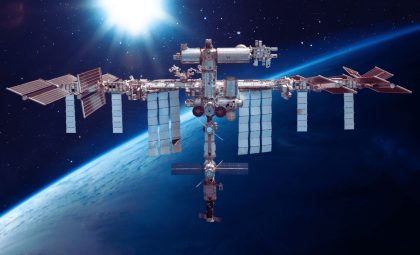
A modest species of moss has astonishingly withstood almost nine months in the harsh vacuum of outer space and successfully regrew once returned to Earth. This observation, stemming from exposure on the International Space Station’s exterior, is inspiring new possibilities for sustaining life beyond our world.
Conducted by researchers at Hokkaido University, the investigation involved sending spores of Physcomitrium patens into one of the most extreme environments imaginable. The spores faced intense radiation, drastic temperature fluctuations, and the vacuum of space—conditions typically lethal to living organisms.
Ensuring plant growth during extended space missions remains a significant hurdle, crucial for oxygen generation, water recycling, and food supply. This research narrows its focus to hardy, simple organisms that may endure where conventional crops cannot.

An Inherent Barrier Against Space Hazards
The team selected the sporophyte form of Physcomitrium patens, a protective capsule encasing spores that aids their survival under stress. Findings published in iScience reveal these spores endured 283 days attached outside the ISS, launched aboard Cygnus NG-17 in March 2022.
“Most living organisms, including humans, cannot survive even briefly in the vacuum of space,” noted Tomomichi Fujita from Hokkaido University, the study’s lead author. “However, the moss spores retained their vitality after nine months of direct exposure.”
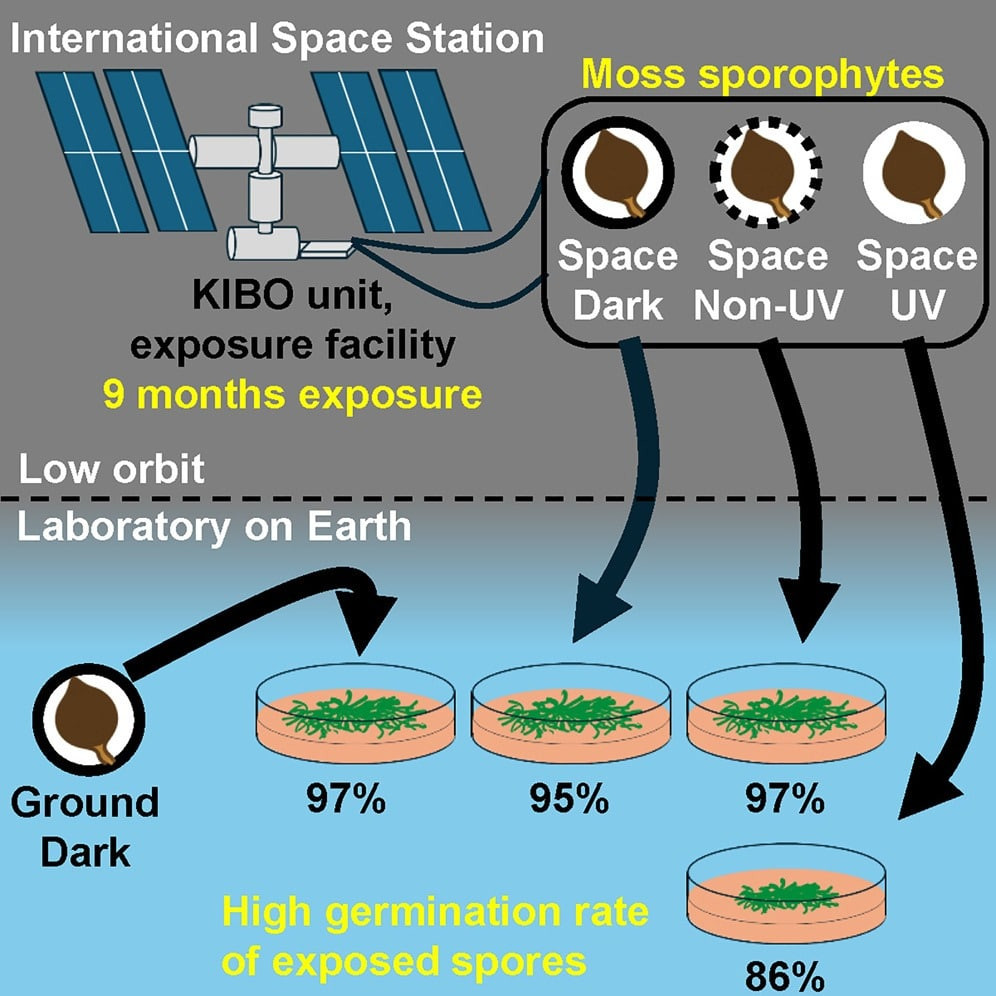
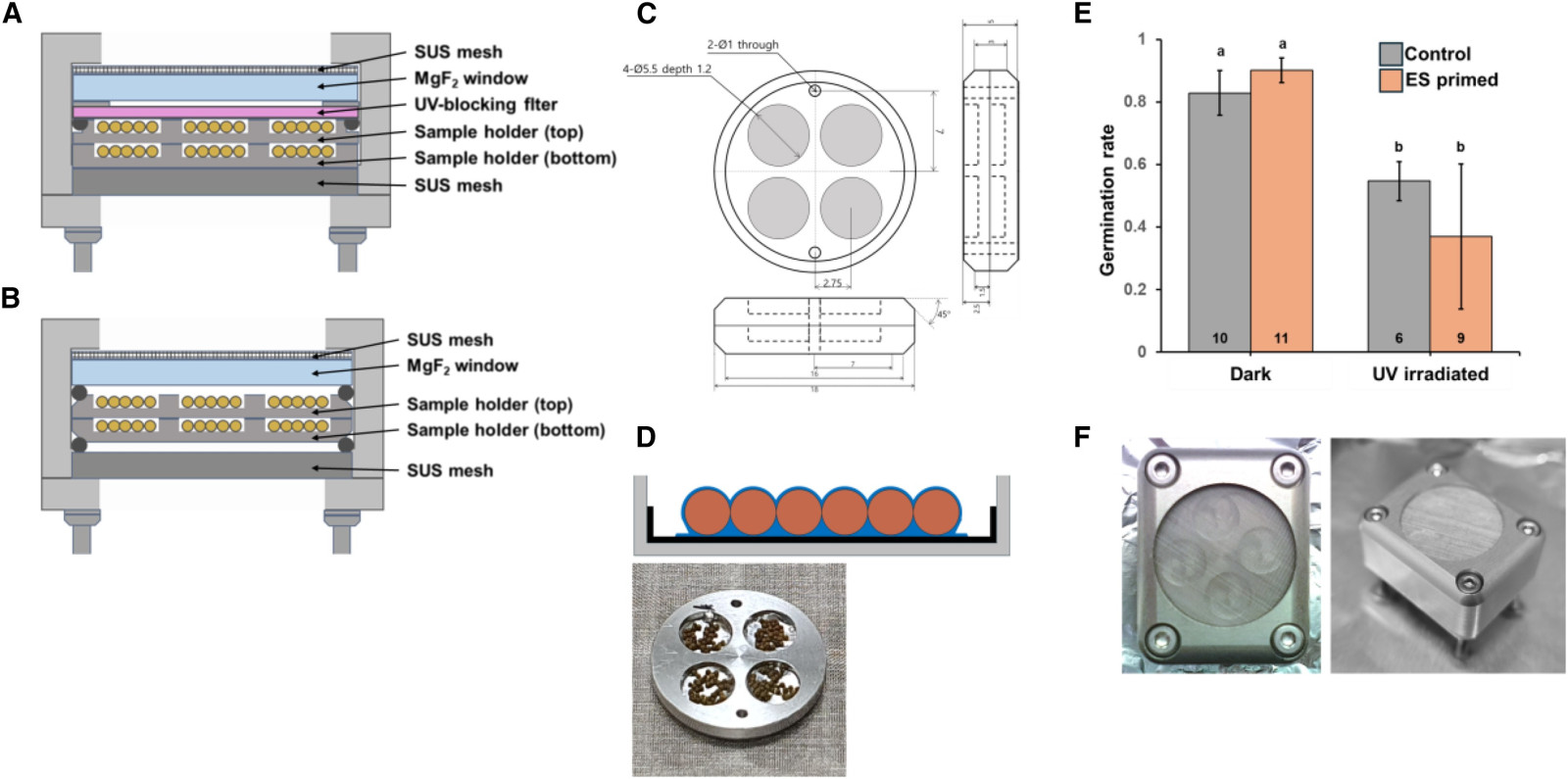
Astronauts mounted the samples on an external platform where they faced direct assault from cosmic rays, micrometeorite impacts, and temperatures ranging from -120°C to +100°C. The spores were retrieved in January 2023 aboard a SpaceX Dragon capsule.
The sporophyte’s protective casing proved crucial, preserving the spores’ integrity through the mission without additional shielding. This indicates certain plant structures might inherently resist space conditions.
Radiation Doesn’t Fully Diminish Survivability
Once back on Earth, the spores were cultured under controlled laboratory conditions. The results astonished the scientists: an impressive 86% of the space-exposed spores germinated, compared to 97% for unexposed controls. Despite high radiation exposure, viability loss was less severe than anticipated. Fujita acknowledged their surprise at the findings.
“We expected almost zero survival, but the result was the opposite: most of the spores survived,” he said, adding that they were “genuinely astonished by the extraordinary durability of these tiny plant cells.”
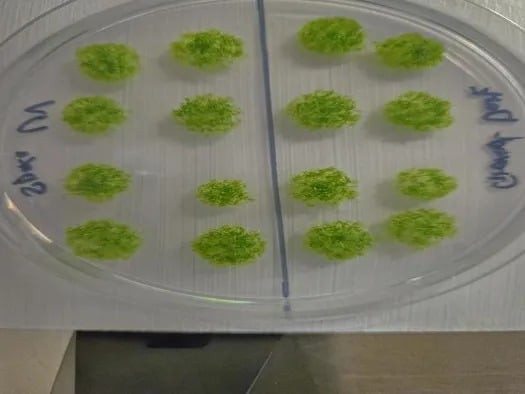
There was some effect noted: a 20% reduction in chlorophyll a, a key molecule in photosynthesis pathways. Nonetheless, the spores flourished post-return. Their dormant status and minimal water content probably limited damage from the space environment.
The researchers also modeled that these spores could potentially survive for up to 5,600 days in similar space conditions—surpassing 15 years. This challenges previous assumptions about the longevity of plant life in extraterrestrial settings.
Seedbeds for Alien Environments?
These findings are already informing concepts of establishing sustainable ecosystems beyond Earth. Instead of beginning with conventional crops, scientists are exploring tough pioneer organisms that could trigger foundational life-support processes. A press release highlights that mere survival isn’t enough—functional growth and biological activity in space environments are essential.
Resilient mosses such as Physcomitrium patens hold promise for oxygen production, humidity regulation, and soil formation. These functions are vital for closed-loop life support at lunar bases or Mars expeditions.
Fujita emphasized that this work demonstrates the resilience of simple plants. Numerous uncertainties remain, such as how altered gravity or Martian soil chemistry could affect growth, but the study marks progress in implementing living systems for space travel.
“Ultimately, we hope this work opens a new frontier toward constructing ecosystems in extraterrestrial environments such as the Moon and Mars,” stated Fujita. “I hope that our moss research will serve as a starting point.”
- Categories:
- Science



0 comments
Sign in to Comment