
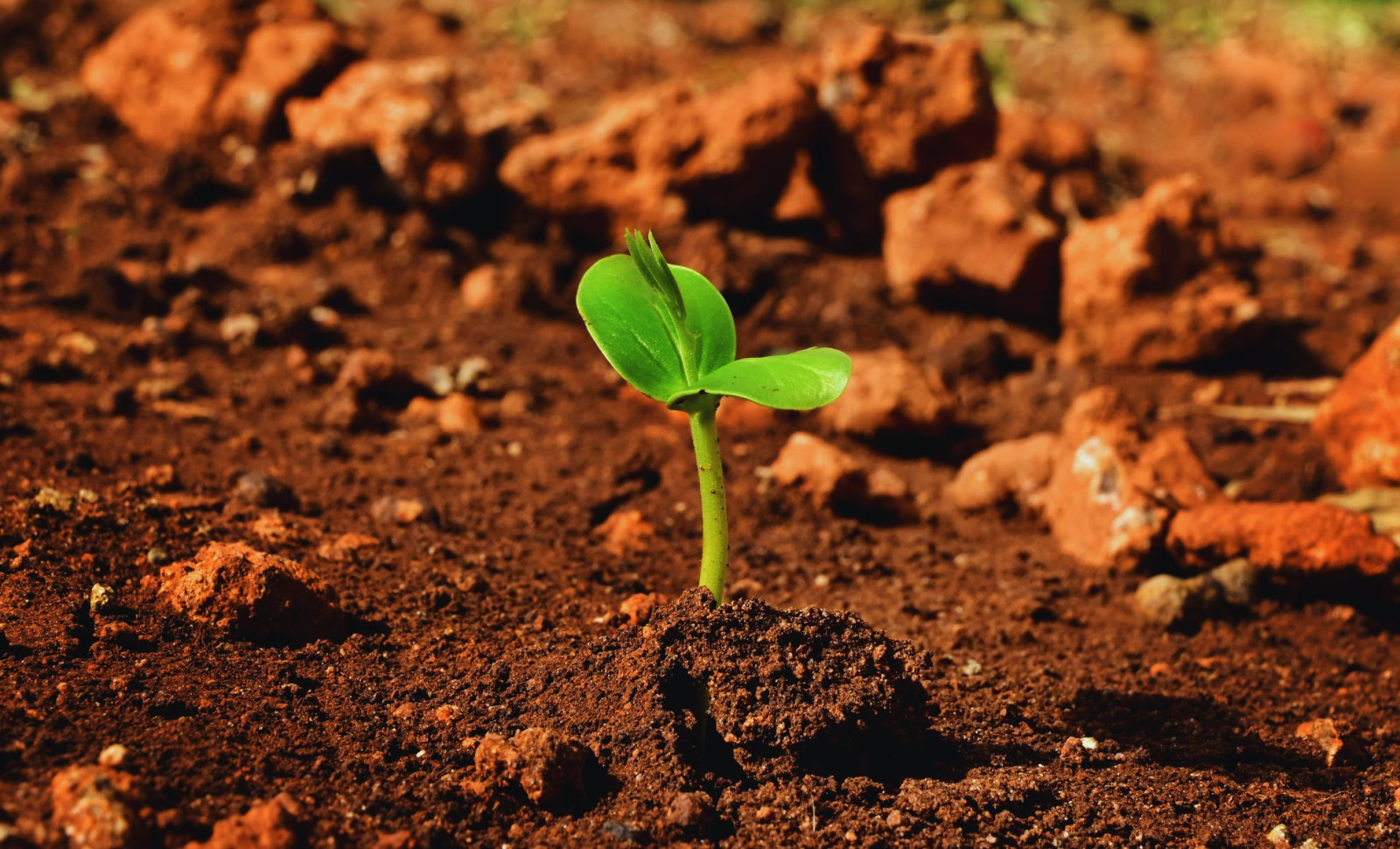
A modest moss species native to Earth's arid deserts is gaining attention from researchers investigating extraterrestrial life possibilities. The resilient Syntrichia caninervis demonstrates an extraordinary capacity to endure harsh environments and is now being explored as a potential candidate to establish life on Mars.
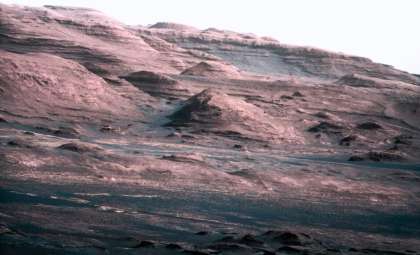
As space missions aim for long-term stays on the Red Planet, identifying organisms capable of surviving Martian conditions becomes crucial. The primary challenge is preserving life beyond just landing astronauts safely.
This emphasis on extremophiles has led scientists to highlight Syntrichia caninervis as an ideal pioneer species. A recent article in The Innovation from the Xinjiang Institute of Ecology and Geography describes this moss as a "highly promising colonizer of alien environments" due to its remarkable durability.

Thriving in Earth's Toughest Settings
This moss thrives not in hospitable climates but challenging ones, including the Mojave Desert with its intense heat and aridity, as well as frigid polar zones.
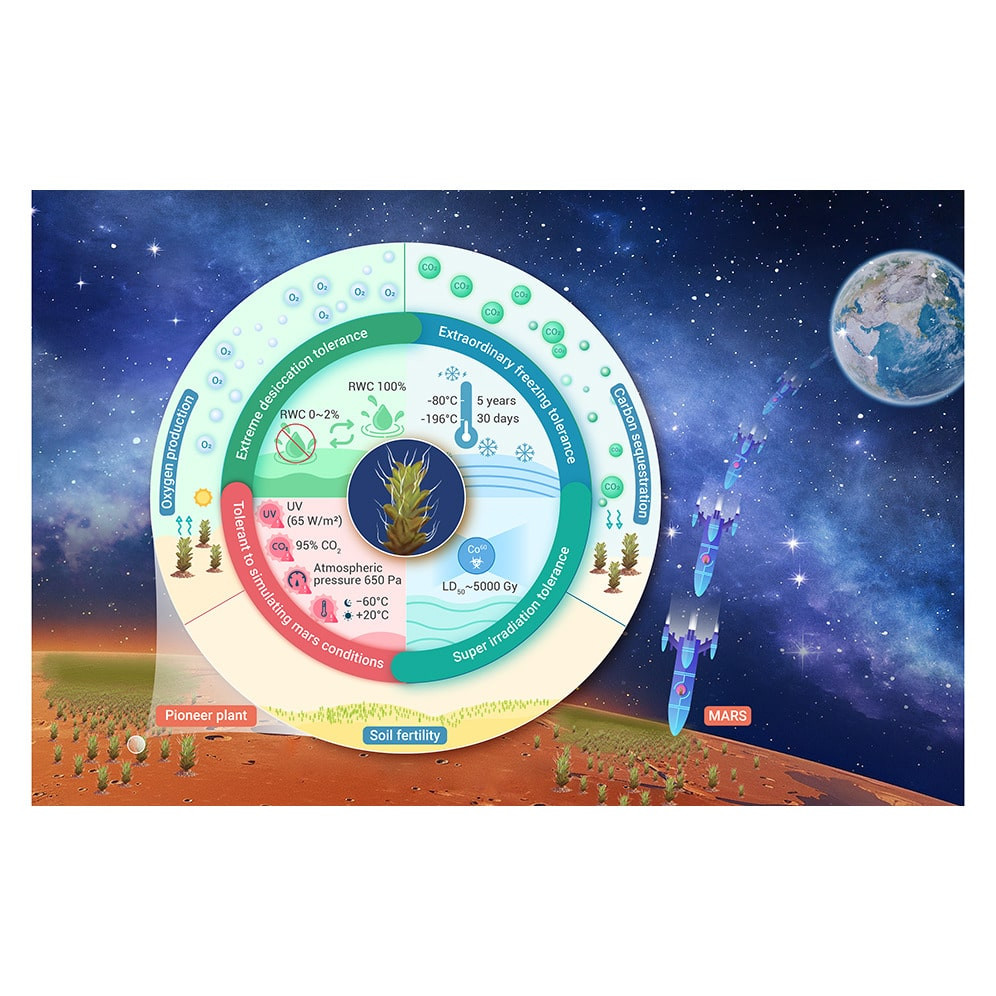
The published research explains that Syntrichia caninervis tolerates extreme cold, down to -196°C, and can survive losing up to 98% of its water content, reviving once rehydrated.
Its rugged appearance, dark and shriveled, speaks to its survival strategy rather than aesthetics. Experts like Prof Stuart McDaniel from the University of Florida acknowledge the value of such traits for future space exploration.
“Cultivating terrestrial plants is an important part of any long-term space mission because plants efficiently turn carbon dioxide and water into oxygen and carbohydrates – essentially the air and food that humans need to survive. Desert moss is not edible, but it could provide other important services in space.”
Radiation Resistance for Life Beyond Earth
One of the greatest obstacles to sustaining life on Mars is the intense radiation penetrating its thin atmosphere, including harmful gamma rays.
This radiation can shatter molecular bonds and damage DNA, imperiling organisms’ survival. Earth’s atmosphere shields life from most such radiation, but Mars lacks this protection.
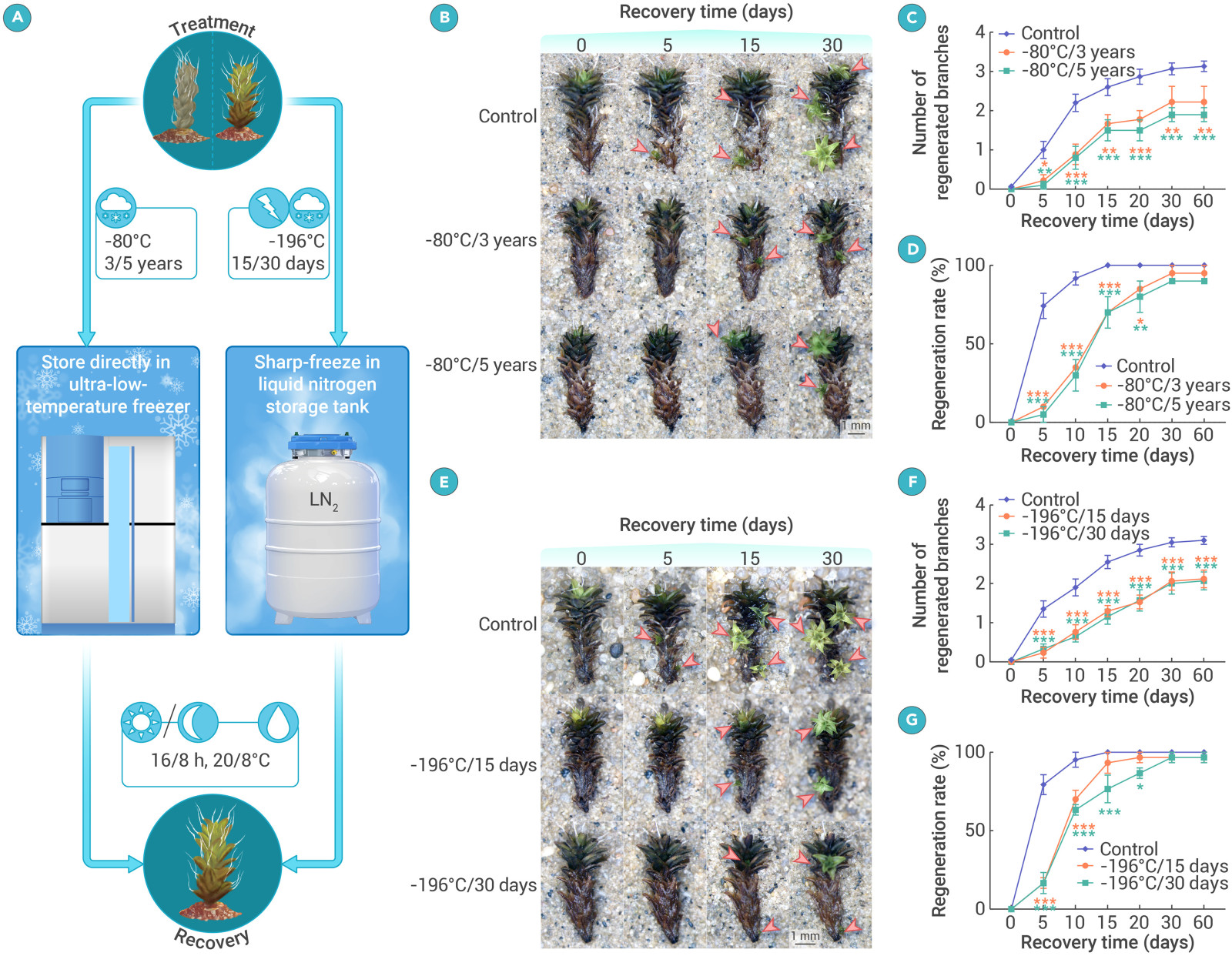
Syntrichia caninervis demonstrates significant resilience against these radiation levels, enhancing its potential to endure the journey to Mars and extended stays on the planet.
“This paper is exciting because it shows that desert moss survives short exposures to some of the stresses that are likely to be found on a trip to Mars, including very high levels of radiation, very cold temperatures, and very low oxygen levels”, added McDaniel.
Potential Foundation for Martian Ecosystems
More than surviving, this moss might alter the Martian surface. Its ability to interact with poor Earth soils suggests it could gradually improve the martian regolith.
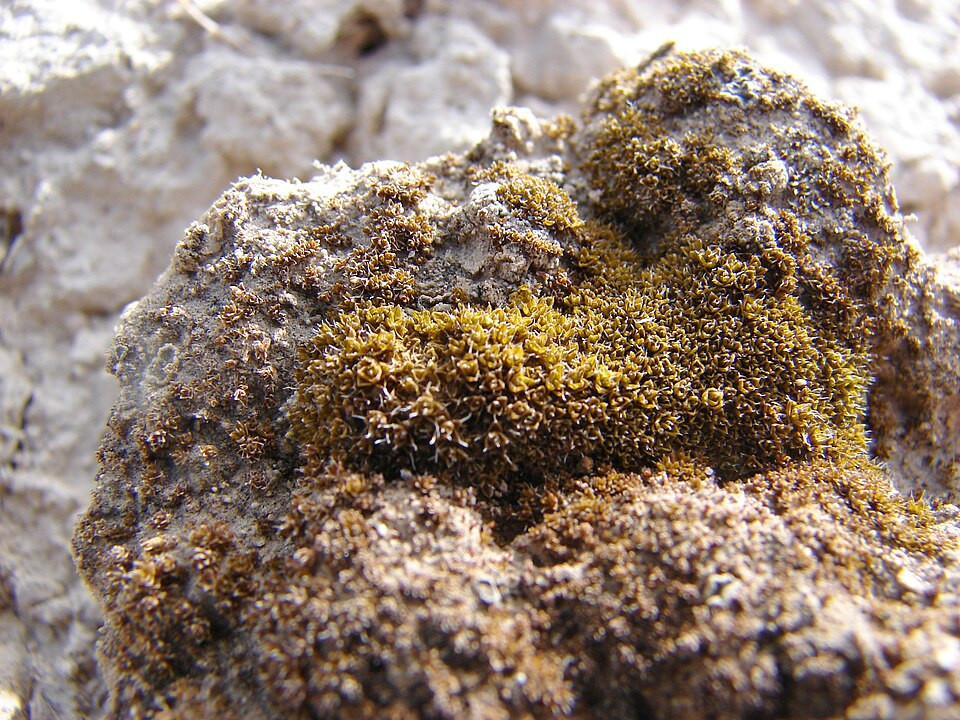
By fostering soil enhancement, it could pave the way for more complex life forms. Additionally, as a producer of oxygen, it may slightly impact the atmosphere over time. Researchers are investigating its genetics to explore transferring its resilience to vital crops like wheat. Villanova University’s Edward Guinan commented:
“We have a long way to go,” he said. “But this lowly desert moss offers hope for making small portions of Mars habitable for humankind in the future.”
- Categories:
- Science






0 comments
Sign in to Comment