
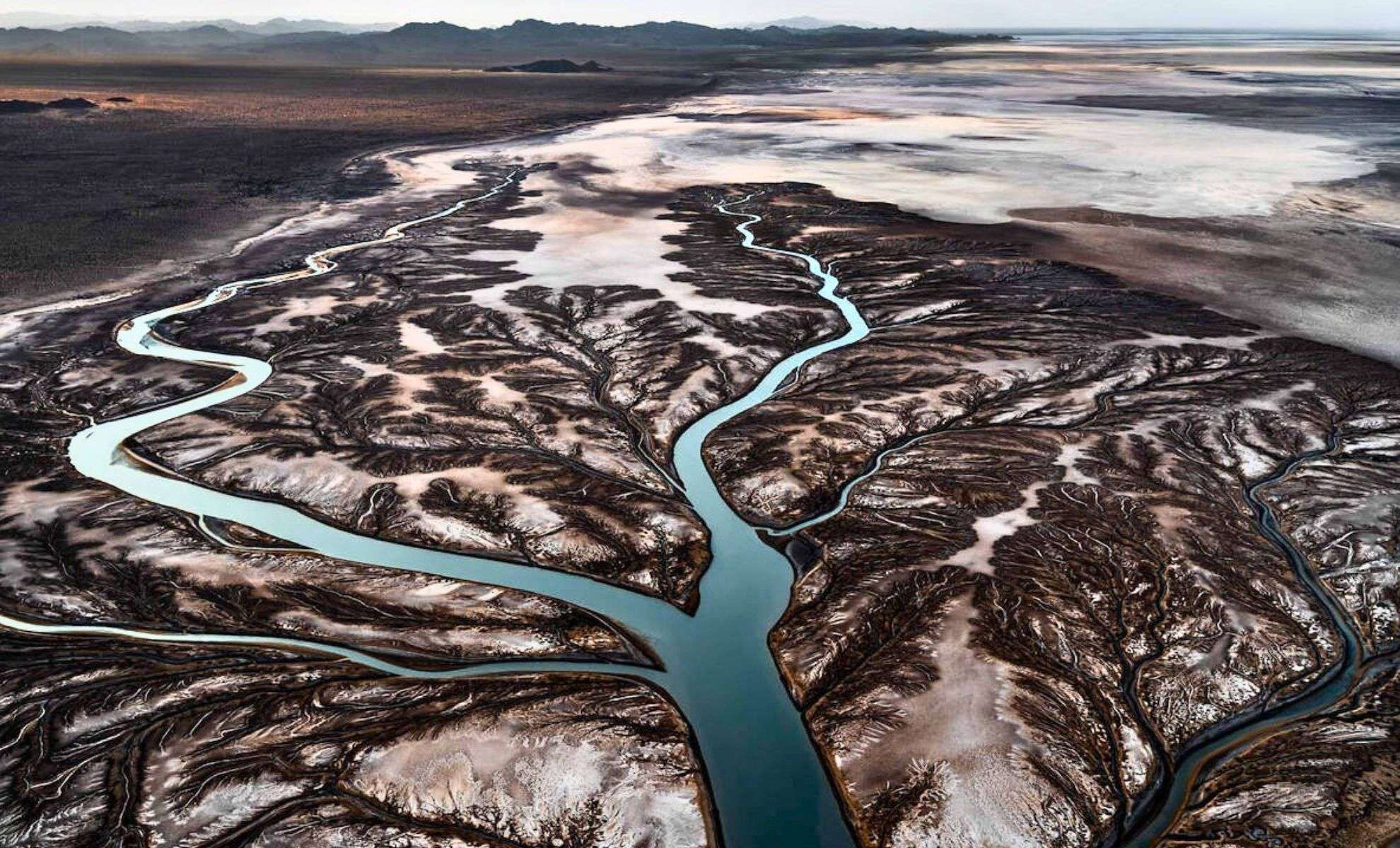
Once reduced to a cracked and barren expanse, the Colorado River Delta has faced decades of depletion from agricultural and urban demands. However, thanks to a partnership among environmentalists, volunteers, and an innovative cross-border agreement, this vital ecosystem is gradually coming back to life.
The Return of a Lost River Ecosystem
Just ten years ago, the terminal section of the Colorado River in Mexico was dry and lifeless. Through dedicated reforestation initiatives, over 500,000 native trees have now been planted across 540 hectares, rejuvenating this critical habitat.
At El Chausse, where invasive plants and dust once prevailed, a young forest is flourishing. Cottonwoods, willows, mesquites, and palo verde trees—desert-adapted species—are stabilizing soil, sequestering carbon, and providing essential shade.

“These trees not only retain moisture and reduce erosion but also help cool the local air,” explains Gabriela Caloca, field coordinator with Revive el Río Colorado. “More importantly, they are restoring vital wildlife habitat.”
A Renewed Haven for Migratory Birds
Further downstream, the Santa Clara wetlands have begun to recover, welcoming back species once nearly lost to the area.
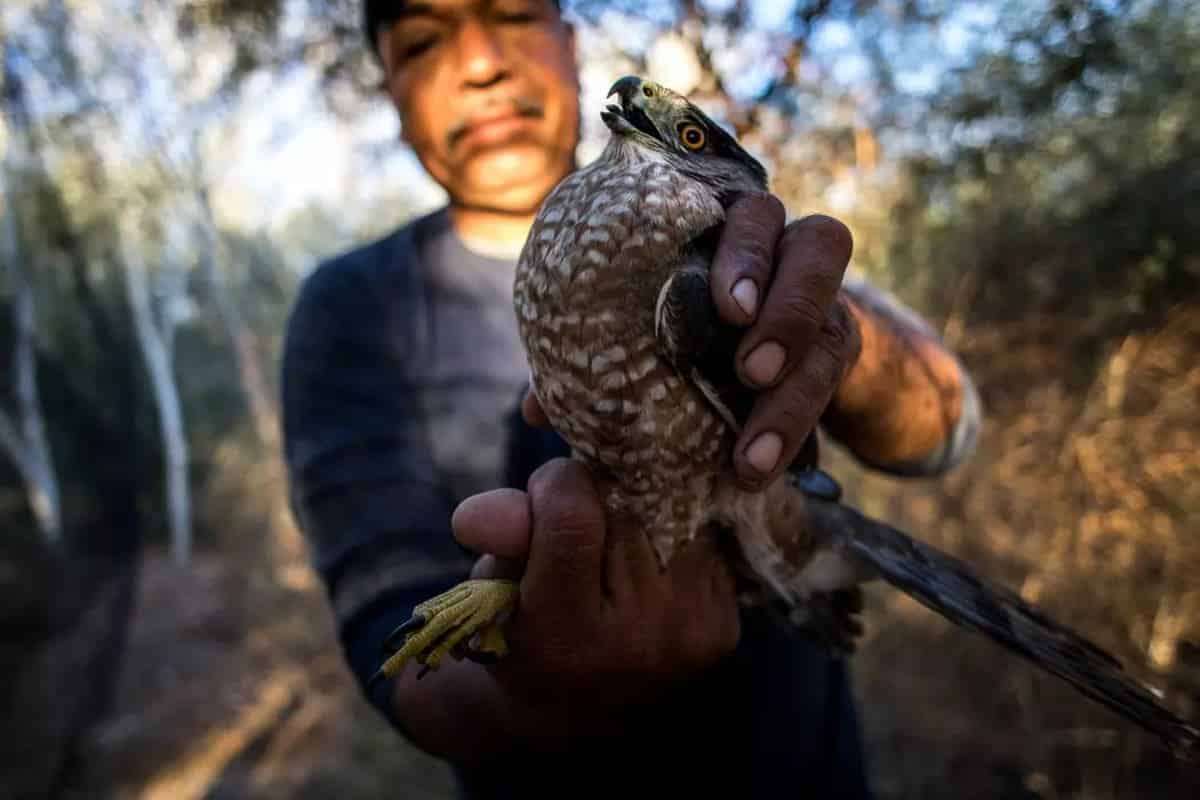
The elusive California rail, a species dependent on healthy wetlands, has returned as a hallmark of ecological revival. Also, migratory birds such as the Alaskan sandpiper now use the delta as a crucial resting and refueling station. Each year, the delta attracts over 360,000 migratory birds, marking an impressive 85% increase compared to earlier records.
“The resurgence isn’t limited to birds,” notes Stefanny Villagomez, an ornithology researcher with the coalition. “Insect populations are recovering as well, signaling the restoration of the entire food chain.”
Impact of Agriculture and Urban Development
Despite this progress, the delta’s restoration follows years of environmental loss. By the 1960s, the Colorado River ceased to reach Mexican territory, eradicating more than 80% of its wetlands and leaving a stark ecological void.
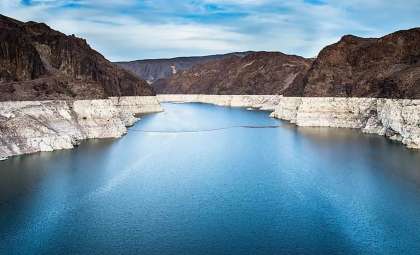
The main threat was rampant water use. Approximately 52% of the river’s flow is allocated to cultivate alfalfa, a water-intensive crop used largely for cattle feed. Meanwhile, urban centers like Las Vegas, Phoenix, and Los Angeles divert billions of gallons to maintain lawns, golf courses, and artificial reservoirs.
This crisis has drawn comparisons to the U.S.-Mexico border wall—with dams and water diversions replacing steel barriers, preventing water from reaching its natural environments.
A Delicate Partnership Sustaining Revival
In 2014, a landmark binational treaty between the U.S. and Mexico enabled the first managed release of water into the delta after decades. This “pulse flow” delivered thousands of cubic meters of water downstream, temporarily reviving the river.
Since then, environmental groups and local volunteers have collaborated to maintain momentum. More than 3,500 volunteers have helped remove invasive species, plant native trees, and track wildlife, fostering ecological recovery and generating green jobs.
“It's remarkable to witness the community reconnecting with the river,” shares Gabriela Caloca. “Many residents had never seen flowing water here before, and now they bring their children to experience it firsthand.”
The Road Ahead: Uncertain but Promising
Despite these gains, the long-term future of the Colorado River remains precarious. The river’s flow into Mexico depends heavily on U.S. policy decisions, which may shift with changing administrations.
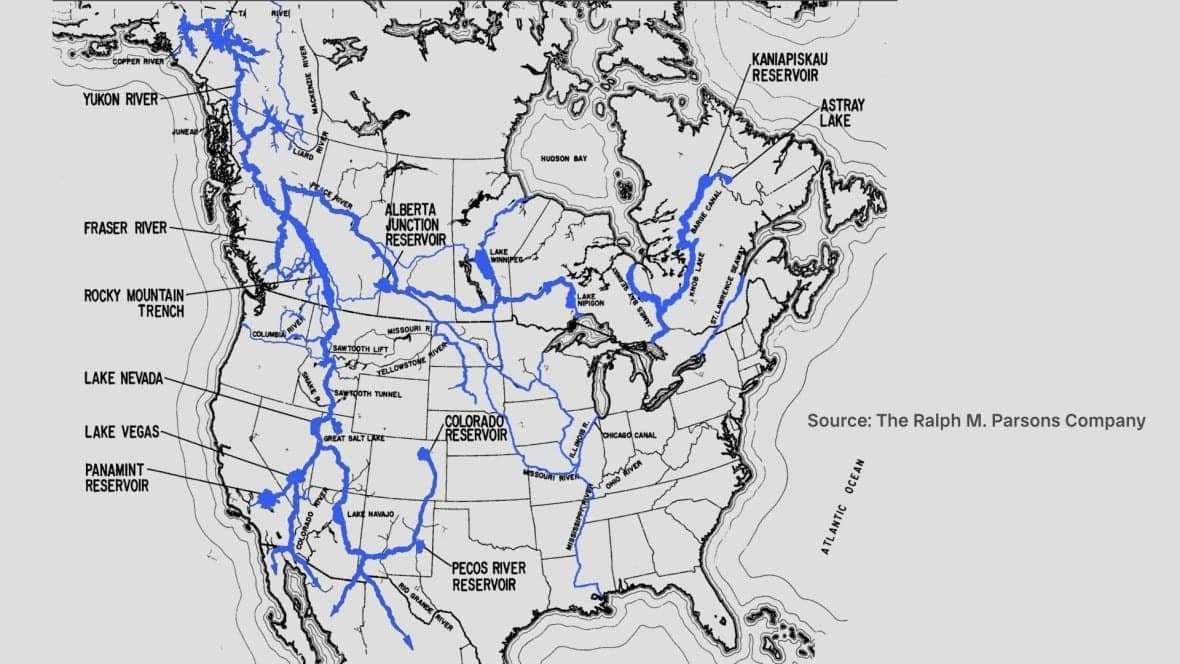
During his tenure, Donald Trump suggested an unconventional plan—diverting Canadian mountain streams to supply U.S. drought-ridden cities instead of focusing on Colorado River conservation. Though unimplemented, this idea underscored how vulnerable existing arrangements are.
For now, restoration efforts are underway, aiming to plant native trees across an additional 200 hectares and advocate for sustainable water-sharing agreements that safeguard the river’s future.
- Categories:
- News









0 comments
Sign in to Comment