
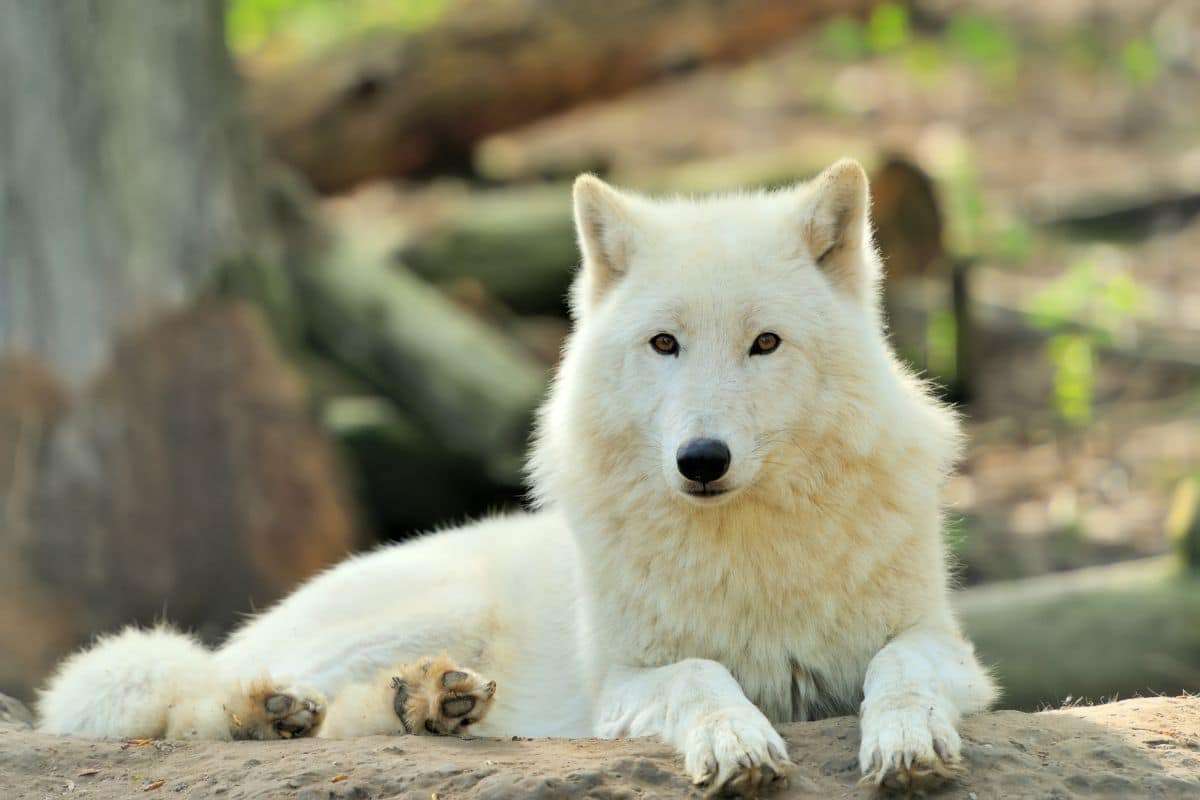
A recent breakthrough in the United States has led to the birth of three genetically engineered wolf pups that have captivated the world—and sparked heated debate. The biotech firm Colossal Biosciences claims these animals mark the return of the extinct dire wolf.
Bringing the Dire Wolf Back to Life
According to information on the Colossal Biosciences website, October 1, 2024, saw a historic milestone: “For the first time ever, Colossal has revived a species lost to extinction through advanced de-extinction science. After a gap of over 10,000 years, we are proud to reintroduce the dire wolf into the natural world.”
The team reports the arrival of three dire wolf pups: two males, named Remus and Romulus, born in October 2024, and a female pup, Khaleesi, born in January 2025. These animals were crafted by editing the genes of grey wolves to mimic those traits belonging to the extinct dire wolf species.

Understanding the Dire Wolf
Despite their threatening name, dire wolves were not merely oversized versions of grey wolves. The species Aenocyon dirus, once prevalent throughout the Americas, disappeared roughly 10,000 years ago. Their cultural prominence was fueled partly by Game of Thrones, which inspired the naming of Khaleesi.
Although dire wolves physically resemble modern wolves, recent genomic analyses have revealed surprising findings. A 2021 publication indicated that dire wolves and grey wolves diverged some 6 million years ago, making them more distantly related than once thought. In fact, species such as jackals, African wild dogs, and dholes share a closer genetic relationship with grey wolves than dire wolves do.
Gene Editing the Grey Wolf into a Dire Wolf
Beth Shapiro, an evolutionary biologist collaborating with Colossal, revealed that the full genome of the dire wolf has been sequenced and will soon be publicly accessible. While she did not disclose the exact number of genetic distinctions, Shapiro noted: “Our species share approximately 99.5% genetic similarity.”
Although a 0.5% difference may seem minimal, it translates into millions of genomic variations across the roughly 2.4 billion base pairs. Yet, Colossal performed only 20 gene modifications on the grey wolf DNA to approximate the dire wolf’s characteristics. Shapiro elaborated:
“Five o five of those 20 changes are based on mutations known to produce light coats in grey wolves.”
The other 15 adjustments aim to replicate iconic dire wolf features such as increased size, robust musculature, and unique ear shapes. This approach is a simplified interpretation of the extinct species, with efficacy yet to be fully determined.
“It will be a year or so before it’s clear if those changes have had the intended effects on the genetically modified animals,” Shapiro acknowledged
Defining Species Boundaries
The heart of the controversy is both linguistic and scientific: what criteria should be used to define a species? Shapiro advocates for the morphological species concept, explaining:
“Species concepts are human classification systems, and everybody can disagree and everyone can be right.” She adds, “You can use the phylogenetic [evolutionary relationships] species concept to determine what you’re going to call a species, which is what you are implying… We are using the morphological species concept and saying, if they look like this animal, then they are the animal.”
Current Status of the Wolf Pups
The trio of pups remains under careful supervision and are not slated for release into their historic habitats. They reside within a protected 800-hectare reserve where their health and behaviors are meticulously monitored. Shapiro assures, “They can’t get a splinter without us knowing.”
Whether these genetically altered wolves mark a breakthrough in species resurrection or serve more as a biotech demonstration, the revelation has undeniably reignited the global public’s interest in bringing extinct animals back to life.
- Categories:
- Science










0 comments
Sign in to Comment