
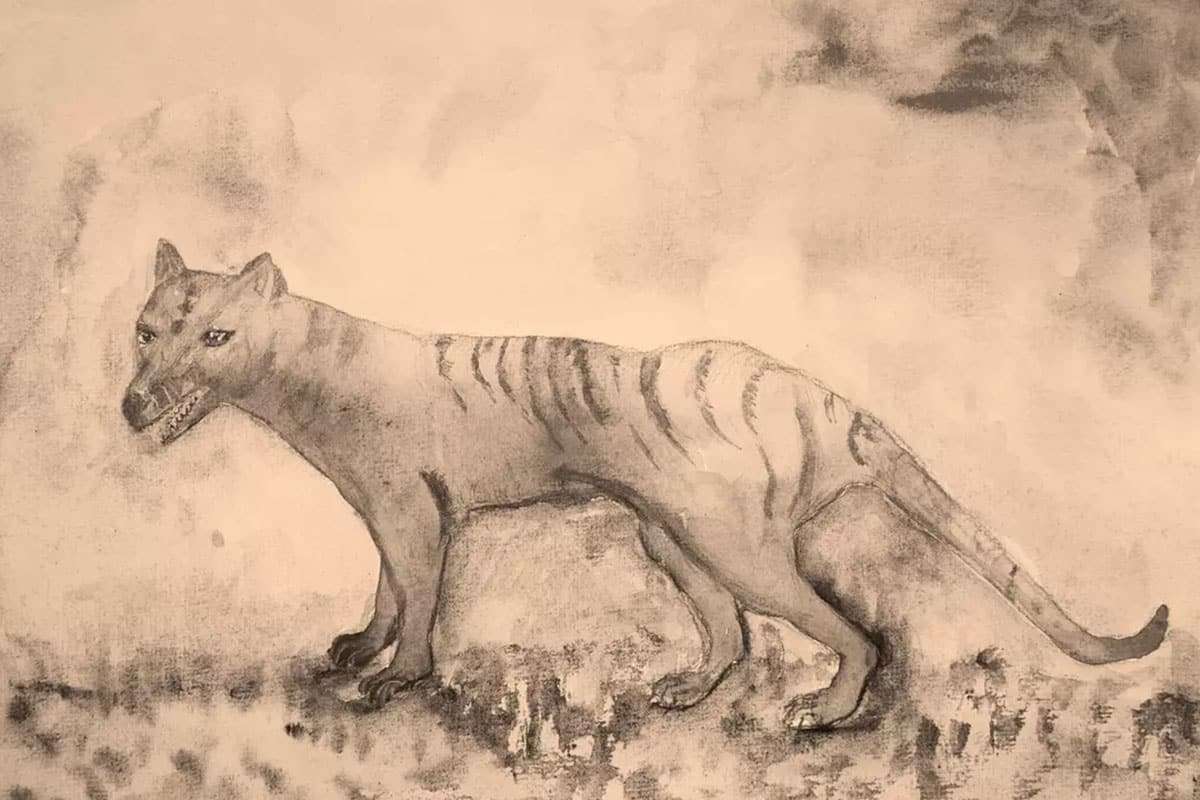
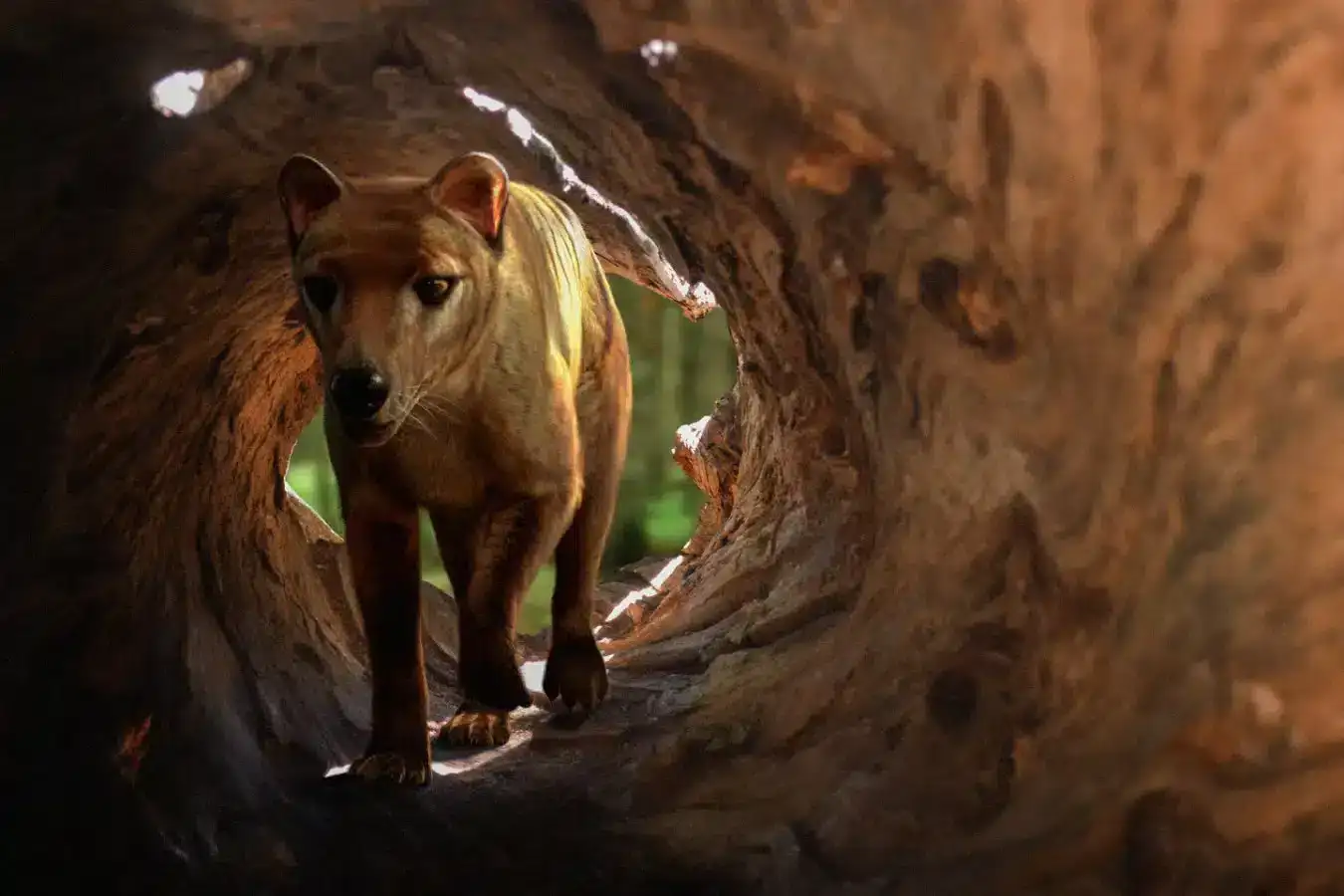
Recognized by its unmistakable striped fur and resemblance to canines, the Tasmanian tiger vanished from the wild in 1936. As the apex predator of Tasmania, it was vital in regulating the island’s ecosystem. Its extinction led to an increase in smaller herbivores, such as wallabies, which in turn harmed local vegetation and disrupted ecological balance. Modern scientists believe reintroducing this predator could help restore equilibrium to the environment.
Colossal Biosciences Takes on the Challenge of De-Extinction
Leading this ambitious project is Colossal Biosciences, an American biotechnology firm also recognized for its mammoth revival initiatives. With a $75 million investment, the company collaborates with the University of Melbourne, aiming to overcome the genetic obstacles involved in resurrecting extinct species. By assembling thylacine DNA fragments, they have managed to sequence an impressive 99.9% of the species’ genome—an essential step for creating a viable clone.

Researcher Andrew Pask told New Scientist, “The DNA samples we obtained were remarkably intact, allowing us to recover long fragments exceeding several thousand bases.” Using a specimen housed at Melbourne’s Victoria Museum, his team extracted well-preserved sections of both DNA and RNA, enabling precise genetic reconstruction.
“We’re at an unprecedented stage,” Pask added, who leads the genetic restoration laboratory at the university. Their strategy involves integrating thylacine genetic material with that of a close relative, the numbat, employing cutting-edge CRISPR gene-editing techniques. Although certain parts of the genome are still missing, the team hopes to witness the birth of a thylacine-like creature within five years.
Innovative Reproduction Techniques and Ethical Dilemmas
Beyond DNA sequencing, Colossal is developing artificial reproduction technologies to support the species’ rebirth. These include creating synthetic wombs capable of nurturing embryos and designing artificial pouches mimicking the marsupial environment necessary for young thylacine development. While these advancements open new frontiers, they also prompt significant ethical debates.
Some conservation advocates suggest conserving endangered species should take precedence over reviving extinct animals. Ecologist Chris Johnson from the University of Tasmania cautions that while restoring the thylacine might aid ecosystem stability, the animal could face difficulties adapting to modern Tasmania, which now hosts invasive predators like foxes.
Indigenous Perspectives and the Rewilding Conversation
The initiative has sparked dialogue among Tasmania’s indigenous communities, who warn against interfering with natural processes. Emma Lee, a respected Aboriginal elder and environmentalist, criticizes the project as a “colonial” scientific endeavor. She advocates prioritizing living species conservation and highlights that the thylacine’s extinction was largely due to European settlers’ actions. For many in the community, the moral questions surrounding the project are as pressing as the scientific ones.
Supporters argue that humans have a duty to remedy extinctions caused by their impact. Colossal has committed to engaging meaningfully with indigenous groups and environmental specialists to conduct any reintroduction in a thoughtful, responsible manner.
The Broader Implications of Reviving the Tasmanian Tiger
If realized, the thylacine revival could become a model for bringing back extinct species with conservation goals in mind. The novel reproductive technologies developed through this project may also benefit endangered marsupials such as koalas, which are threatened by habitat destruction and disease. While challenges remain, the project promises transformative advances in ecology and genetics, blending innovative science with a respect for the planet’s lost biodiversity.










0 comments
Sign in to Comment