
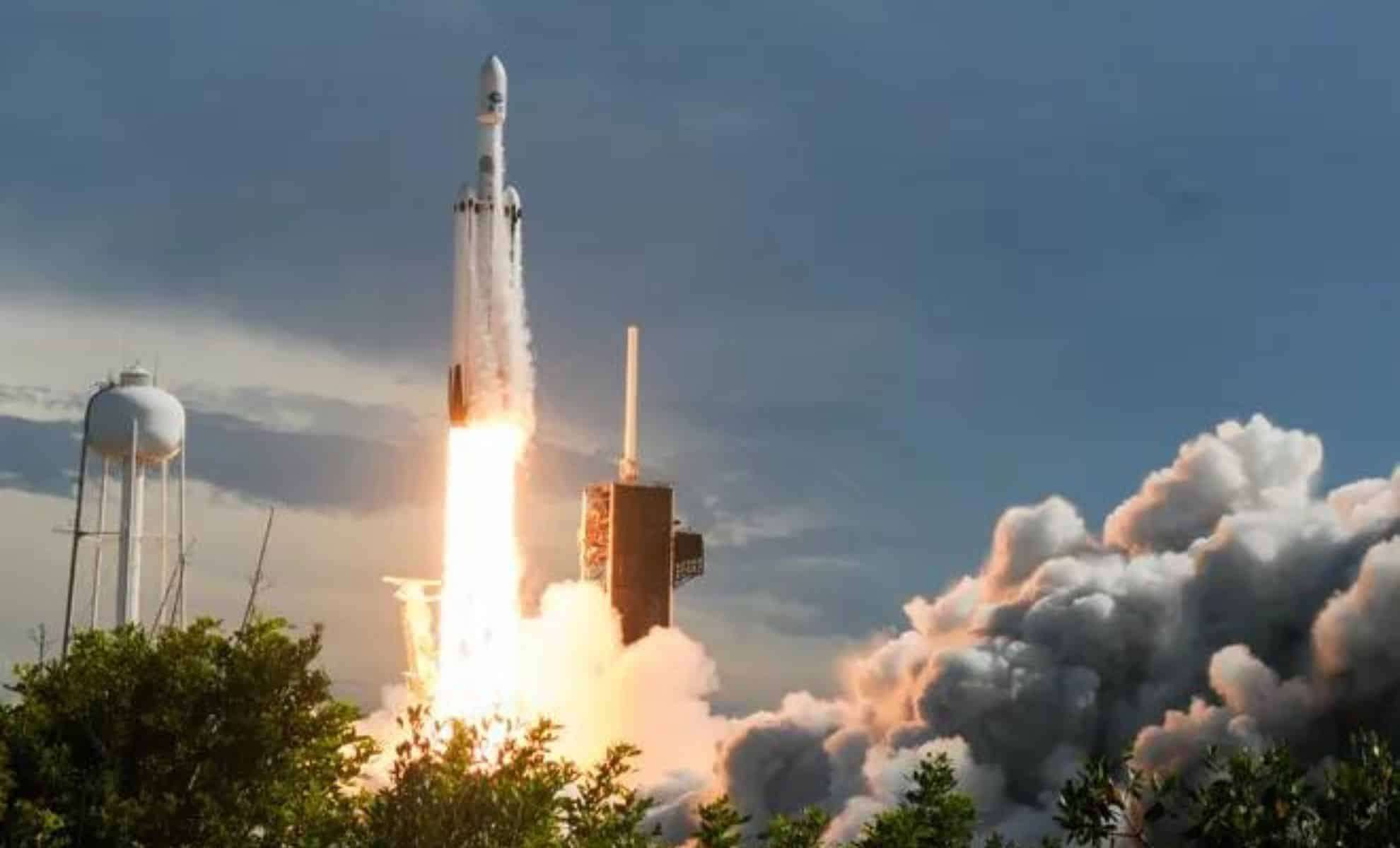
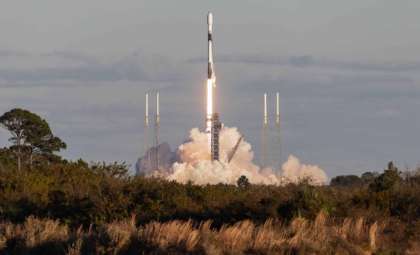
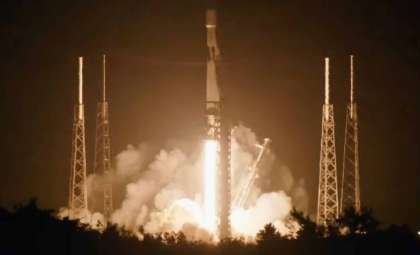
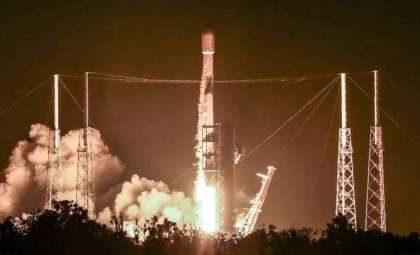
On June 25, 2024, SpaceX achieved a successful launch of the GOES-U weather satellite aboard its Falcon Heavy rocket from Kennedy Space Center, marking a notable milestone in satellite technology and meteorological advancements.
Mission Overview and Launch Timeline
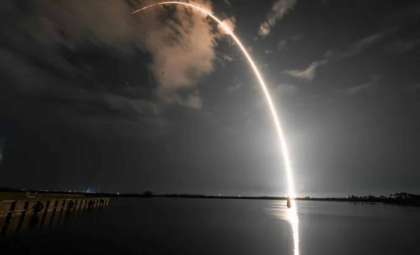
The Falcon Heavy blasted off at 5:26 p.m. EDT, carrying the GOES-U satellite into its intended orbit. This mission focuses on enhancing capabilities for weather observation and forecasting.
With its ability to collect vital data on various atmospheric and space weather phenomena, GOES-U aims to improve the analysis and forecast of extreme weather events significantly.

The successful placement of GOES-U into orbit marks a crucial advancement in the accuracy and dependability of weather data crucial for forecasters and emergency management teams alike.
Cutting-Edge Features of GOES-U
Regarded as the most sophisticated weather satellite launched to date, GOES-U features unparalleled imaging capabilities, capturing highly detailed visuals of Earth's weather systems and environmental landscapes.
Experts highlight that GOES-U offers image resolution so fine that it is comparable to spotting home plate at Wrigley Field from Times Square in New York City. This extraordinary detail will empower meteorologists to monitor weather developments with unprecedented clarity, improving warning lead times for severe conditions.
Transforming Weather Surveillance
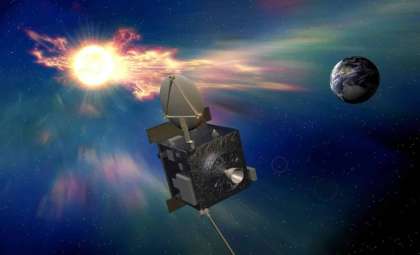
GOES-U's deployment is poised to transform weather monitoring by providing continuous observation of severe weather events, such as hurricanes, storms, and solar disturbances impacting Earth’s atmosphere.
Equipped to deliver near-instantaneous data, the satellite enables more accurate and timely weather predictions, vital for disaster readiness and response.
The advanced sensors aboard GOES-U facilitate earlier alerts of dangerous weather phenomena, offering communities valuable time to prepare and potentially mitigating natural disaster impacts. This technological leap not only advances scientific capability but also enhances public safety and infrastructure protection.
Public Enthusiasm and Spectacle
The Falcon Heavy launch featuring GOES-U garnered widespread public interest, drawing crowds near Patrick Space Force Base and Cape Canaveral eager to witness the event firsthand.

The spectacle of the Falcon Heavy rising toward orbit, coupled with the triumphant landing of its reusable side boosters at Cape Canaveral Space Force Station, triggered widespread excitement.
These booster recoveries highlight SpaceX’s innovation in reusable rocket technology, dramatically lowering launch costs. The public’s keen interest reflects growing enthusiasm and support for space exploration and engineering breakthroughs.
SpaceX’s Role in Advancing Spaceflight
This milestone launch showcases SpaceX’s continual progress in maximizing the capabilities of Falcon Heavy to serve both governmental and commercial missions.
As SpaceX advances space technologies, satellites like GOES-U deliver invaluable tools for enhancing weather prediction, environmental monitoring, and climate science.
The mission underscores a pivotal effort to harness cutting-edge technology to tackle global challenges. GOES-U exemplifies how next-generation satellites will propel future discoveries in Earth observation and space exploration, fostering benefits that will expand in the years ahead.





0 comments
Sign in to Comment