
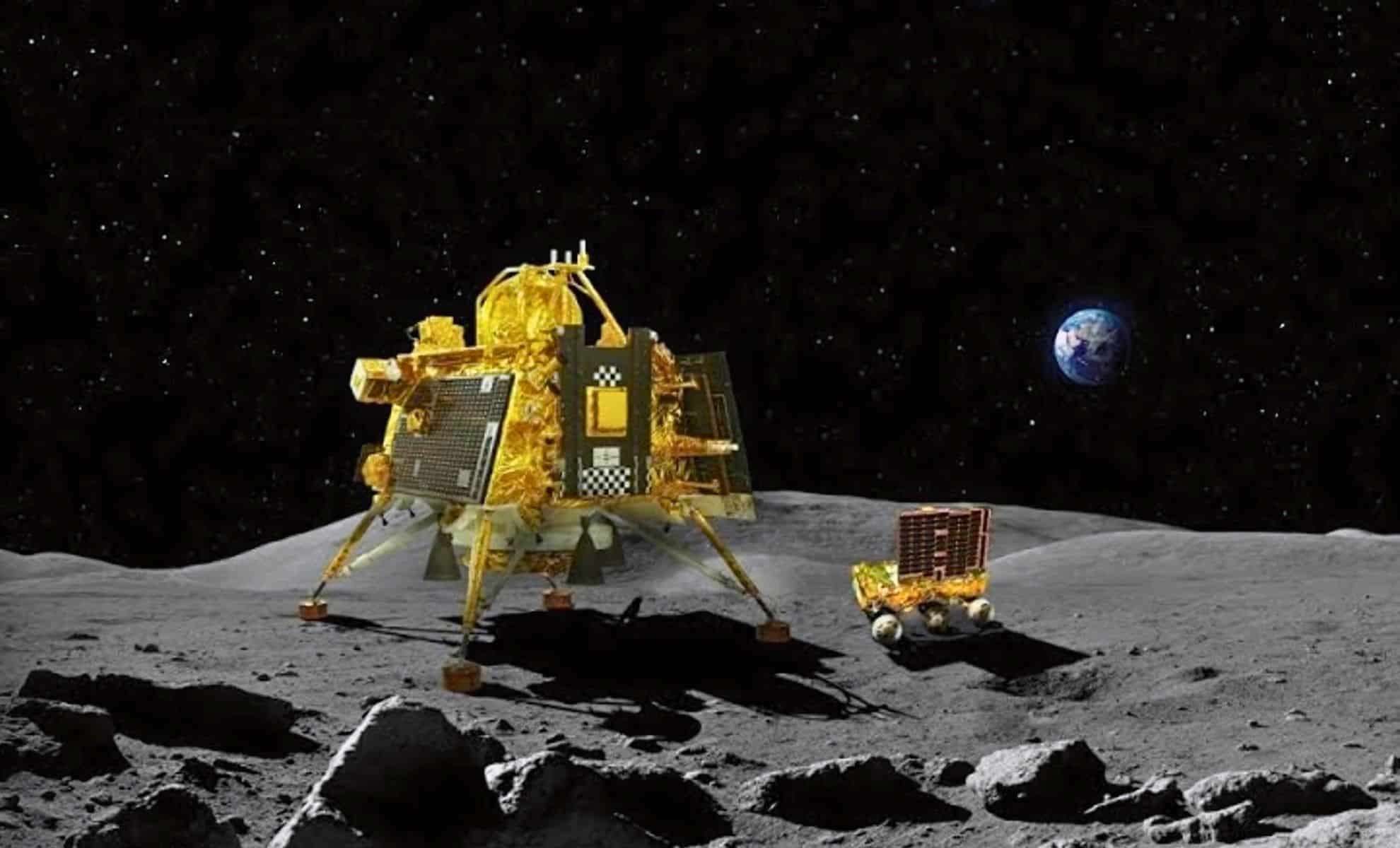
The Indian Space Research Organization (ISRO) has unveiled new findings from their Pragyan rover, a key element of the Chandrayaan-3 mission, revealing unexpected subsurface motion near the moon’s South Pole. This discovery challenges previous assumptions about lunar geology and hints at underlying dynamic processes beneath the surface.
India’s Trailblazing Pragyan Rover Explores the Moon’s South Pole
In August 2023, India achieved a significant milestone when the Vikram lander of the Chandrayaan-3 mission successfully landed close to the moon’s South Pole, marking the first such accomplishment in this location. Pragyan rover, equipped with the Instrument for Lunar Seismic Activity (ILSA), was tasked with detecting seismic vibrations and movements within the moon’s crust. Its sensitive accelerometers translate ground movements into measurable electrical signals, enabling precise detection of both naturally occurring and induced lunar phenomena.
Here is an overview of the key findings recorded by the Pragyan rover:

- Mission Achievement: First-ever successful touchdown on the moon’s South Pole (August 2023).
- Seismic Instrument: ILSA featuring advanced high-sensitivity accelerometers.
- Detected Vibrations:
- August 25, 2023: Initial seismic event detected beneath the lunar surface.
- August 26, 2023: A subsequent similar seismic occurrence recorded.
- Possible Explanations for the Activity:
- Natural lunar quakes
- Crustal shifts from impacts or thermal contraction
Seismic Signals Captured by the ILSA Instrument
ISRO confirmed that on August 25, 2023, its ILSA system detected distinct seismic vibrations signifying a subsurface event. The data, presented in a graph publicly released by ISRO, illustrates these unusual signals. A follow-up event was also recorded the next day, prompting deeper investigation into the origin of these vibrations, which are most likely natural but notably rare given the moon’s usually quiet geological state.
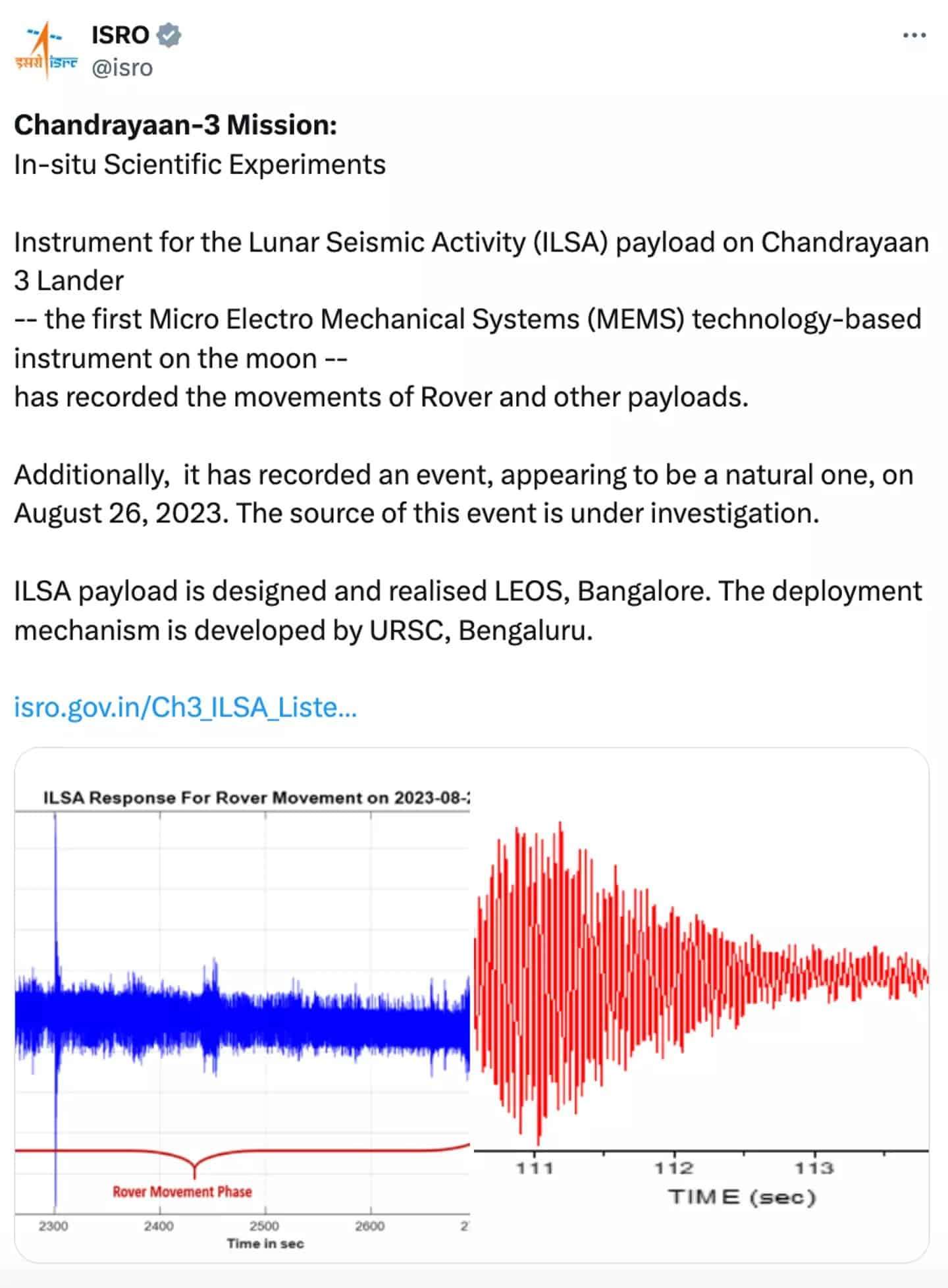
Unraveling the Causes of Subsurface Motion on the Moon
Potential explanations for these movements include natural moonquakes or shifts caused by meteorite impacts. These results shine a light on a more active moon beneath its quiet exterior. Ongoing research by ISRO aims to determine whether these tremors emerge from internal geological adjustments or external influences.
Though the moon lacks plate tectonics like Earth, tiny subsurface movements could be driven by gradual cooling and contraction of its crust over time.
- Categories:
- News









0 comments
Sign in to Comment