
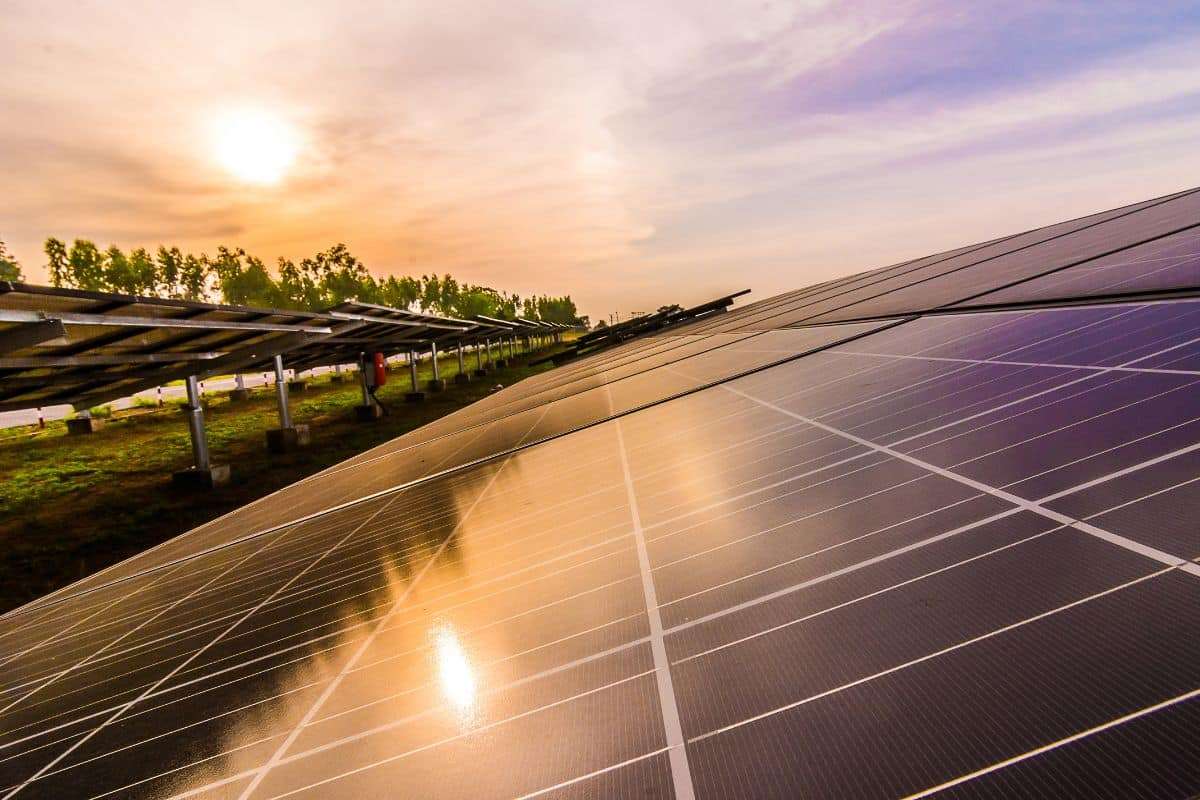
Researchers have pioneered a method to generate solar power using materials derived from simulated lunar soil, potentially transforming energy supply systems for future lunar exploration. Their technique converts anorthositic regolith—prevalent in the Moon’s highlands—into moonglass, which acts as both the base and protective shield for advanced perovskite solar cells. A study released on April 3, 2025, in the journal Device highlights how this innovation could slash the dependence on Earth-imported materials by nearly 99%, while enhancing resistance to space radiation and offering improved power-to-weight ratios compared to current photovoltaic technologies.
Advancing Energy Solutions for Space Missions
While existing space solar cells demonstrate impressive efficiencies of 30-40%, they are hindered by their high cost and heavy construction.
Felix Lang, who leads the study at the University of Potsdam, Germany, remarks, “Current space solar panels achieve remarkable efficiencies of 30% up to 40%, but these come with substantial financial and logistical challenges.”
He notes that the weighty and expensive components like thick glass or foil complicate transportation to space.

Utilizing Lunar Surface Material for Energy
To circumvent reliance on Earth-supplied materials, Lang’s research team harnessed the Moon’s own surface rock—known as lunar regolith. They transformed this loose, rocky substance into moonglass, a glass variant that could replace conventional types used in solar arrays.
Adoption of moonglass offers groundbreaking advantages: it can reduce the launch mass for solar panels by an extraordinary 99.4% and decrease transportation expenses by 99%. This breakthrough may pave the way for sustainable, long-term lunar habitats.
The Mechanism Behind Moonglass-Based Solar Panels
Simulated Moon dust was melted into moonglass and combined with perovskite crystals—a cost-effective, efficient material well-suited for capturing solar energy.
This synergy generates solar cells that outperform traditional panels considerably, producing up to 100 times more energy per gram compared to Earth-fabricated alternatives. Lang explains, “Reducing the mass by 99% means we don’t require ultra-efficient 30% solar cells. Instead, we build more cells directly on the Moon.”
Enhanced Durability Against Space Radiation
Cosmic radiation often damages conventional solar panels, degrading their performance over time. In contrast, cells made with moonglass naturally resist radiation effects.
While ordinary glass tends to darken in space—diminishing sunlight transmission—moonglass already contains a brown tint from lunar impurities, stabilizing it against further darkening and radiation damage.
Obstacles and Future Directions
Significant challenges persist despite the promising results. The Moon’s weak gravitational pull could alter moonglass formation, impacting its clarity and internal structure. Additionally, extreme temperature fluctuations from scorching daytime heat to frigid nights might challenge the cells’ longevity.
Chemical processing complexities also exist; Earth-based solvents used with perovskite manufacturing may perform poorly in the Moon’s vacuum, complicating on-site production. Nevertheless, the team is optimistic, planning a small demonstration mission to evaluate the technology directly on the lunar surface.
“Scientists have long been exploring the use of Moon dust—from extracting water to fabricating building materials,” Lang says. “Now, converting it into solar cells could provide the vital energy infrastructure for future lunar colonies.” This progress could signify a major advancement in establishing autonomous extraterrestrial settlements.
- Categories:
- News









0 comments
Sign in to Comment