
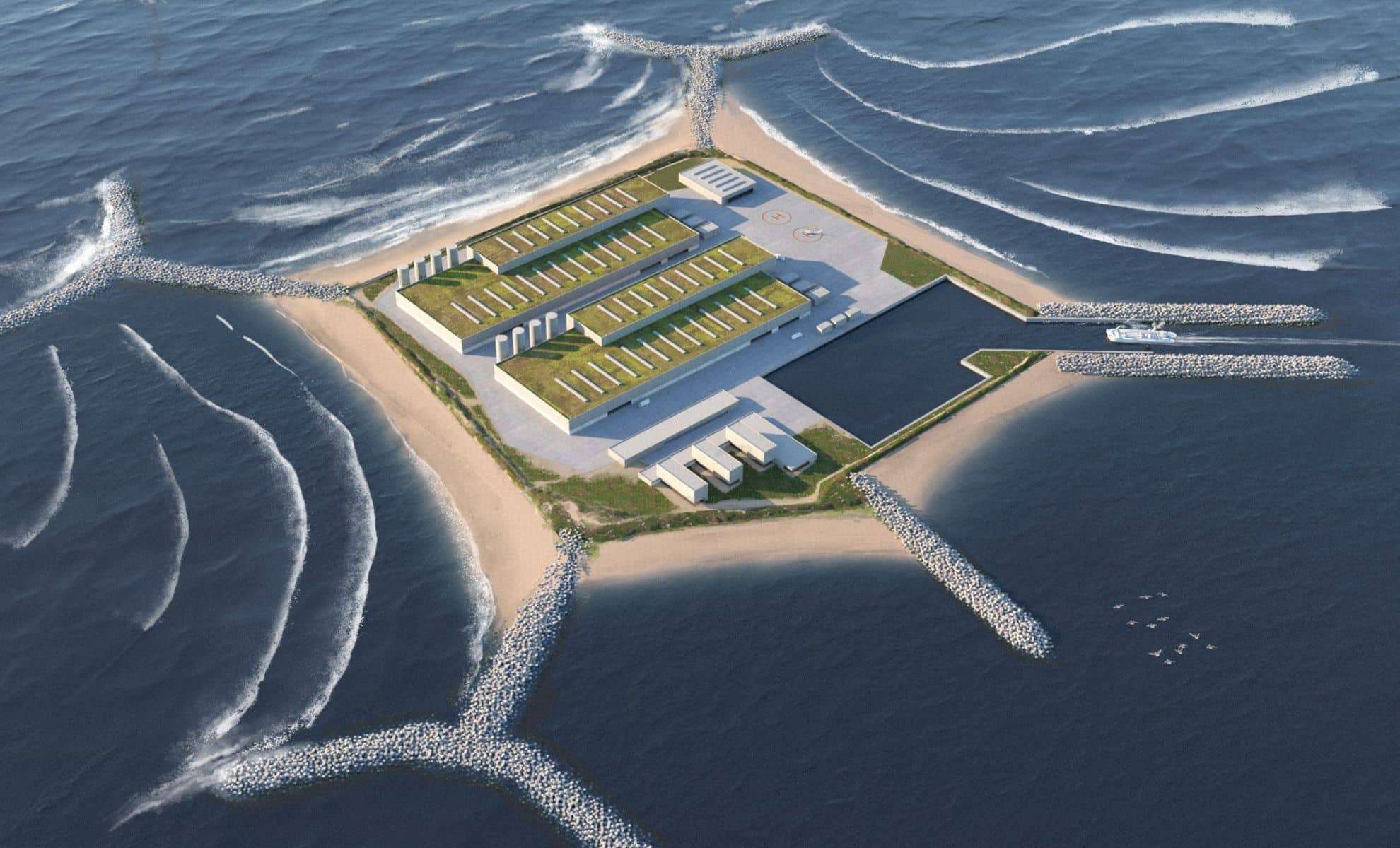
An ambitious initiative is currently unfolding beneath the waves, promising to reshape how energy is generated and viewed globally. Deep in the waters of the North and Baltic Seas, expansive artificial energy islands are being developed to function as central nodes for renewable power across Europe. These constructed hubs aim to revolutionize clean energy production by linking offshore wind farms into a cohesive, multinational electrical grid. This venture represents a landmark achievement for both environmental sustainability and energy innovation.
Defining the Concept of a “New Continent” Beneath the Ocean
The phrase “new continent” might evoke images from science fiction, but this groundbreaking effort entails fabricating man-made islands to harness wind energy at sea. These islands will underpin a comprehensive energy network designed to supply millions of households with clean electricity. The remarkable scale and environmental purpose make this an unprecedented endeavor with far-reaching international impacts.
Currently, construction is underway on two such islands within the North and Baltic Seas, intended to interconnect surrounding offshore wind resources with terrestrial power systems. This infrastructure is poised to deliver vast amounts of renewable energy, promoting sustainability alongside transnational collaboration.

Revolutionizing Energy Generation with Offshore Islands
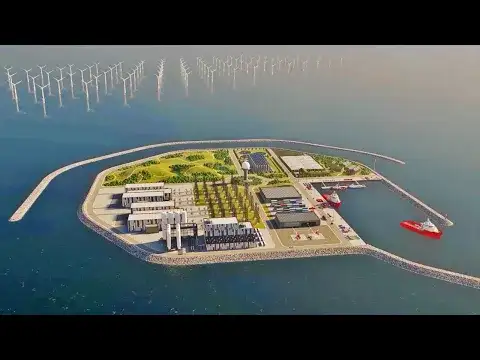
More than mere energy producers, these offshore islands will serve as pivotal hubs that boost the output capacity of nearby wind farms. Strategically situated in locations with some of the globe’s strongest and most reliable winds, they will generate substantial quantities of renewable power.
The joint venture between Denmark and Germany, spearheaded by corporations such as Energinet and 50Hertz, targets the creation of a seamless, integrated European electrical grid. The inaugural island will initially supply countries including Denmark, Germany, and potentially nearby regions, contributing significantly to reducing fossil fuel reliance and combating climate change.
Balancing Energy Production with Marine Conservation
These artificial islands are designed to fulfill a dual purpose: in addition to generating electricity, they aim to foster marine biodiversity. Their eco-conscious engineering provides habitats that support aquatic ecosystems, transforming industrial zones into protected sanctuaries.
The project employs advanced engineering techniques, including the installation of robust foundations capable of withstanding ocean currents and the implementation of sophisticated energy transmission and storage systems. Environmental assessments and archaeological evaluations are expected to conclude by 2025, paving the way for construction to commence.
International Collaboration and Visionary Ambitions
While based in Europe, this initiative exemplifies worldwide cooperation to mitigate climate change through renewable resources. Its success is likely to inspire similar projects globally. Nations like the U.S. and Japan have expressed interest in adopting this offshore energy hub model to modernize their own energy frameworks.
The overarching mission is to establish a global web of sustainable energy networks that reduce emissions and enhance international partnership for a cleaner planet.
Upcoming Milestones and Forward-Looking Strategies
Work on the first energy island is planned to begin between 2024 and 2025, commencing with the assembly and deployment of massive caisson structures that will form the island foundations. Subsequent installation of electrical systems will link these hubs to onshore grids, finalizing their integration within Europe’s electricity infrastructure.
Parallel to this, organizations such as Copenhagen Infrastructure Partners (CIP) are developing analogous projects across Southeast Asia and adjacent seas. By leveraging proven wind technologies in innovative and cost-efficient configurations, these efforts aim to bring offshore renewable energy to new global markets.
Global Implications and the Future of Clean Energy
The emergence of these energy islands could trigger a transformative shift in the worldwide renewable energy landscape. The collective advancements and multinational cooperation fueling this vision highlight a promising path toward sustainable power generation.
Confronted with the intensifying challenges of climate change, this pioneering project demonstrates how human creativity and international solidarity can deliver a cleaner, greener future, showing the potential for nations to collaboratively tackle critical environmental issues.
- Categories:
- News ,
- Science ,
- Climate change









0 comments
Sign in to Comment