
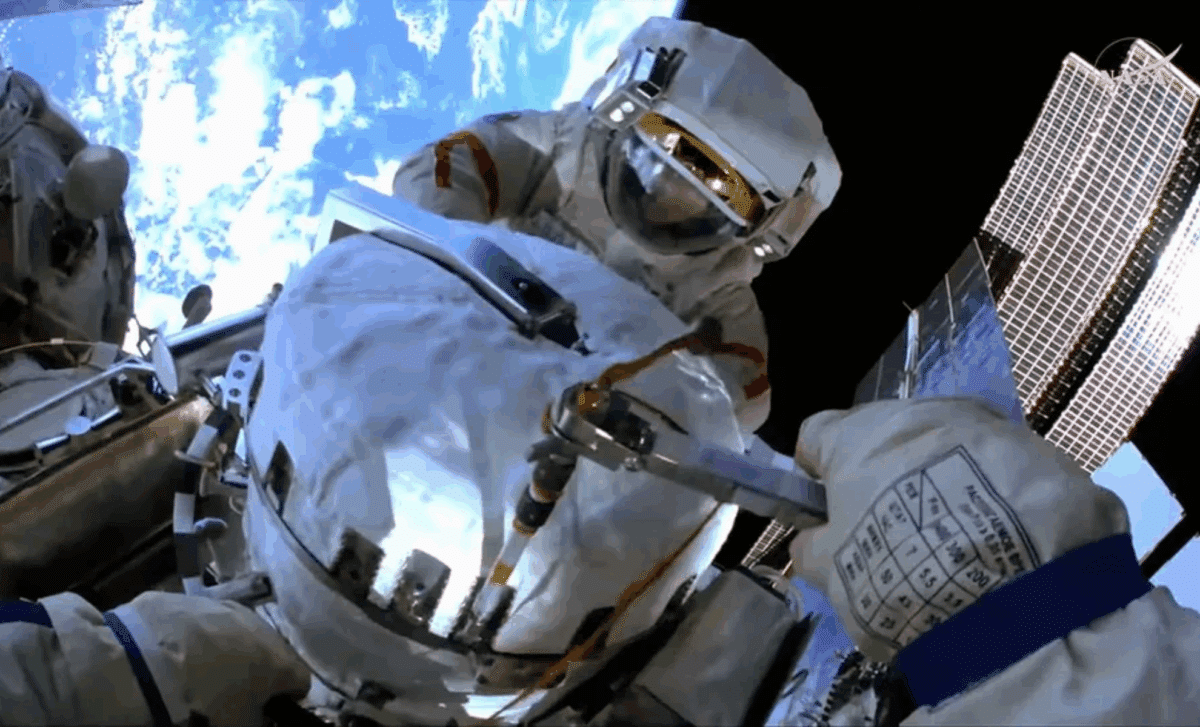
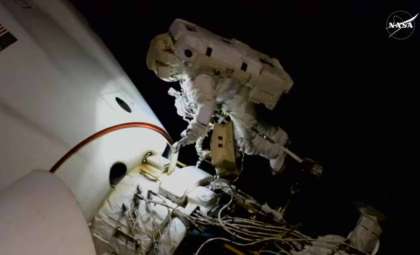
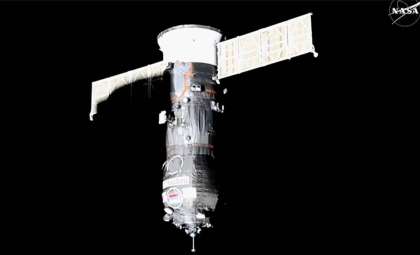
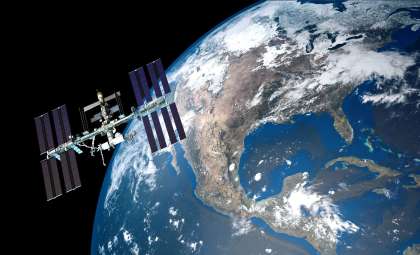
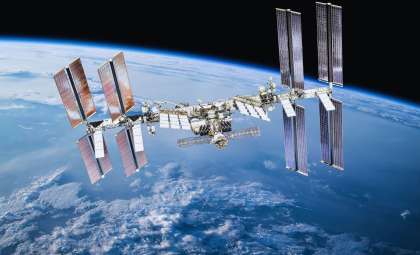
On October 16, 2025, cosmonauts Sergey Ryzhikov and Alexey Zubritsky embarked on a crucial spacewalk outside the International Space Station (ISS), achieving a milestone in space science and technology. Over more than six hours, they successfully mounted an advanced semiconductor experiment and cleared away outdated gear that had been attached to the station for years. This dual approach of innovation and upkeep highlights continuing efforts to enhance space research while preserving the ISS as a premier hub for global scientific exploration.
Revolutionizing Semiconductor Research in Microgravity
A highlight of the spacewalk was the installation of Ekran-M, an innovative semiconductor material experiment. This project focuses on developing ultra-thin materials that cannot be reliably produced under Earth’s gravity. Utilizing the unique microgravity environment on the ISS, the experiment seeks to explore novel methods for semiconductor fabrication, potentially transforming industries such as computing and telecommunications.
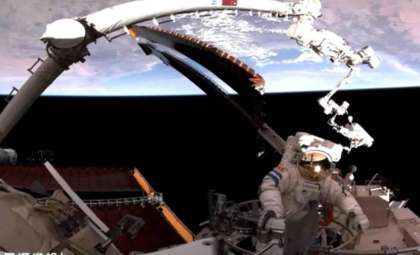
Ryzhikov, stationed on the European Robotic Arm (ERA), carefully positioned the experiment on the Nauka multipurpose laboratory module. The procedure included linking power connections and fitting a replaceable cassette, allowing future crew members to swap experiment components. This successful installation marks a significant advance in materials science, offering fresh perspectives on how space conditions can foster technological progress.

Removing Legacy Hardware: Safe Disposal in Orbit
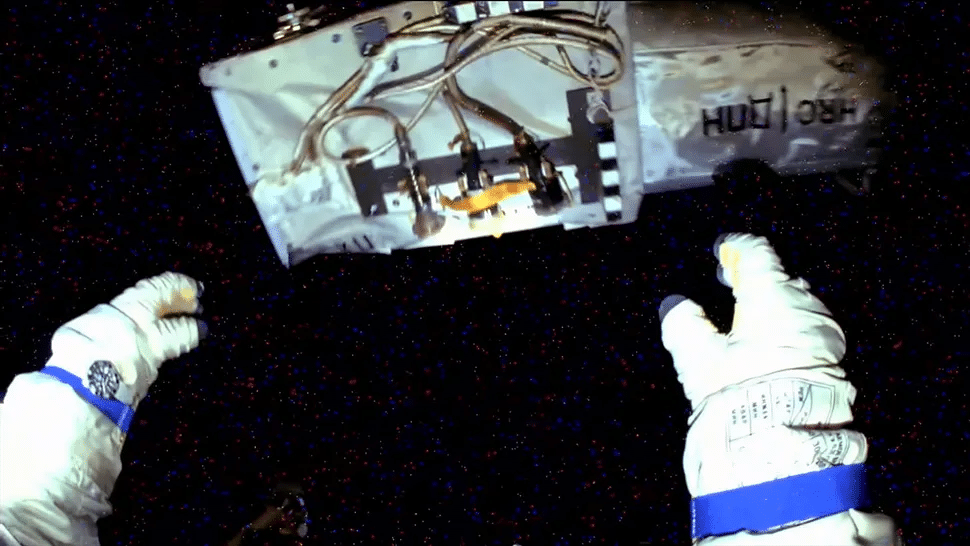
Alongside deploying new technology, the cosmonauts were responsible for dismantling aging equipment from the ISS. This involved detaching a high-definition television (HDTV) camera originally part of a Canadian commercial payload that was no longer required. After removal, Zubritsky, positioned at the ERA’s end, released the camera into space. He confirmed the operation’s success over radio with the message, “It is going so well. Jettison is complete.”
Discarding the 180-pound camera helps reduce orbital debris risks to the ISS and other spacecraft. The camera will safely burn up as it reenters Earth’s atmosphere, preventing long-term space clutter. This careful disposal was essential for maintaining station safety and highlights the meticulous planning behind managing aging hardware in orbit.
Milestones and Teamwork on the Spacewalk
This excursion was notable as it marked Zubritsky’s inaugural EVA (extravehicular activity) and Ryzhikov’s second. Accumulating over 12 hours of spacewalking experience across missions, Ryzhikov demonstrated his expertise, while Zubritsky showcased precise coordination in experiment installation and equipment disposal.
The operation also underscored the value of international teamwork aboard the ISS. While Russian cosmonauts frequently collaborate with NASA astronauts on such missions, this effort between Roscosmos and NASA highlights the importance of global partnerships in sustaining and advancing station-based scientific inquiry. These technically demanding tasks epitomize the long-term collaborative spirit driving the future of space exploration.
- Categories:
- News





0 comments
Sign in to Comment