
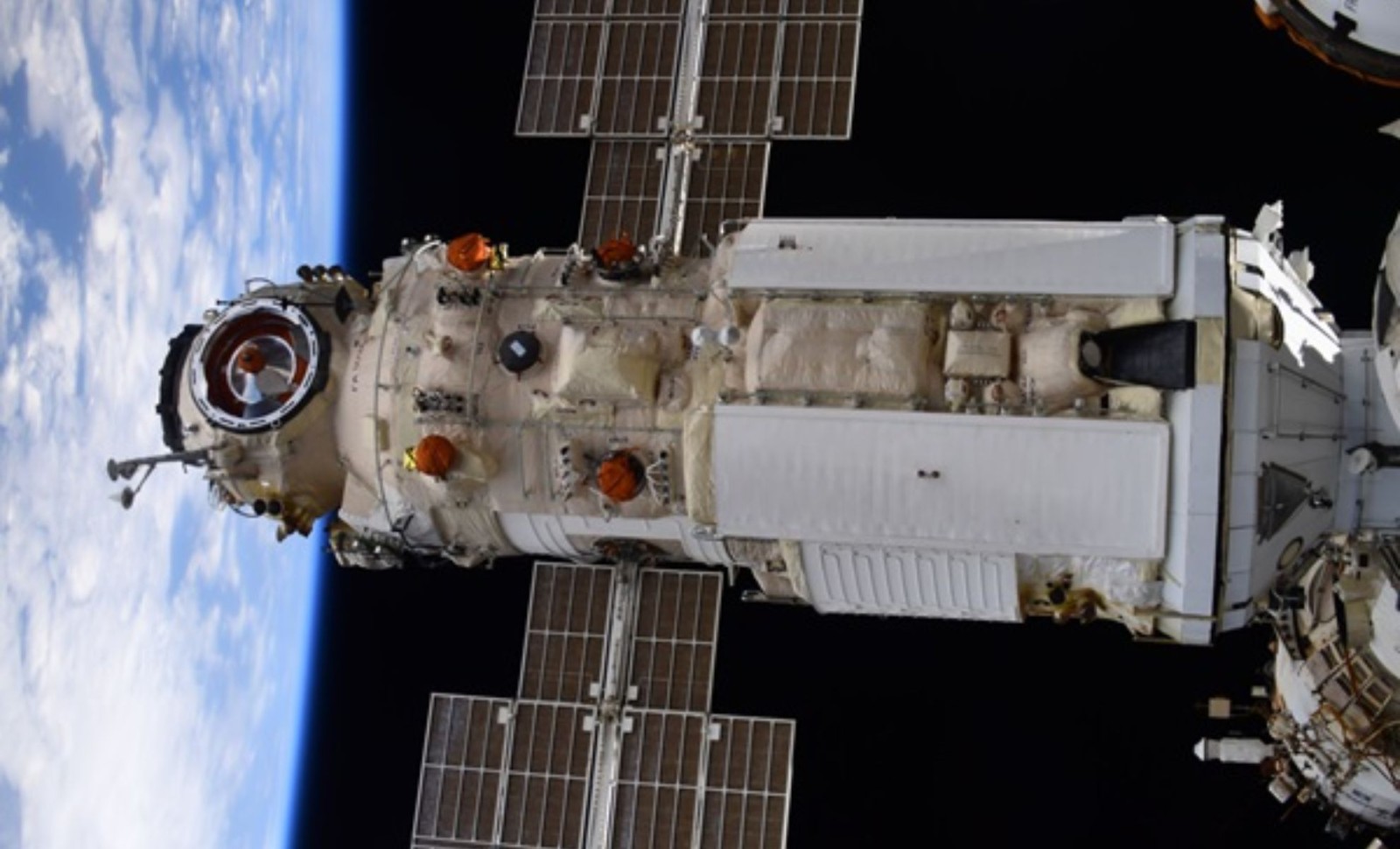
Roscosmos, Russia’s space agency, is embracing a novel strategy for its upcoming space station by repurposing existing modules from the International Space Station (ISS). As the ISS prepares for decommissioning, Russia plans to detach several Russian-made modules to serve as the foundation for their new orbital platform.
The upcoming Russian Orbital Station (ROS) will integrate modules such as Zarya, Zvezda, Poisk, Rassvet, Nauka, and Prichal. These components, some of which have been orbiting Earth for nearly three decades, will be detached following the ISS’s retirement to create a new space habitat. This ambitious approach raises questions about the durability and scientific potential of reusing such aged hardware.
Russia’s Evolving Vision for Its Spacefrontier
For many years, Roscosmos has considered launching an independent orbital station. Initially known as the Russian Orbital Service Station (ROSS), and previously under the Orbital Piloted Assembly and Experiment Complex (OPSEK) project, the plan was to develop entirely new infrastructure free from the ISS’s aging elements. However, by 2021, the vision shifted dramatically toward reutilizing hardware that has been in space for decades.

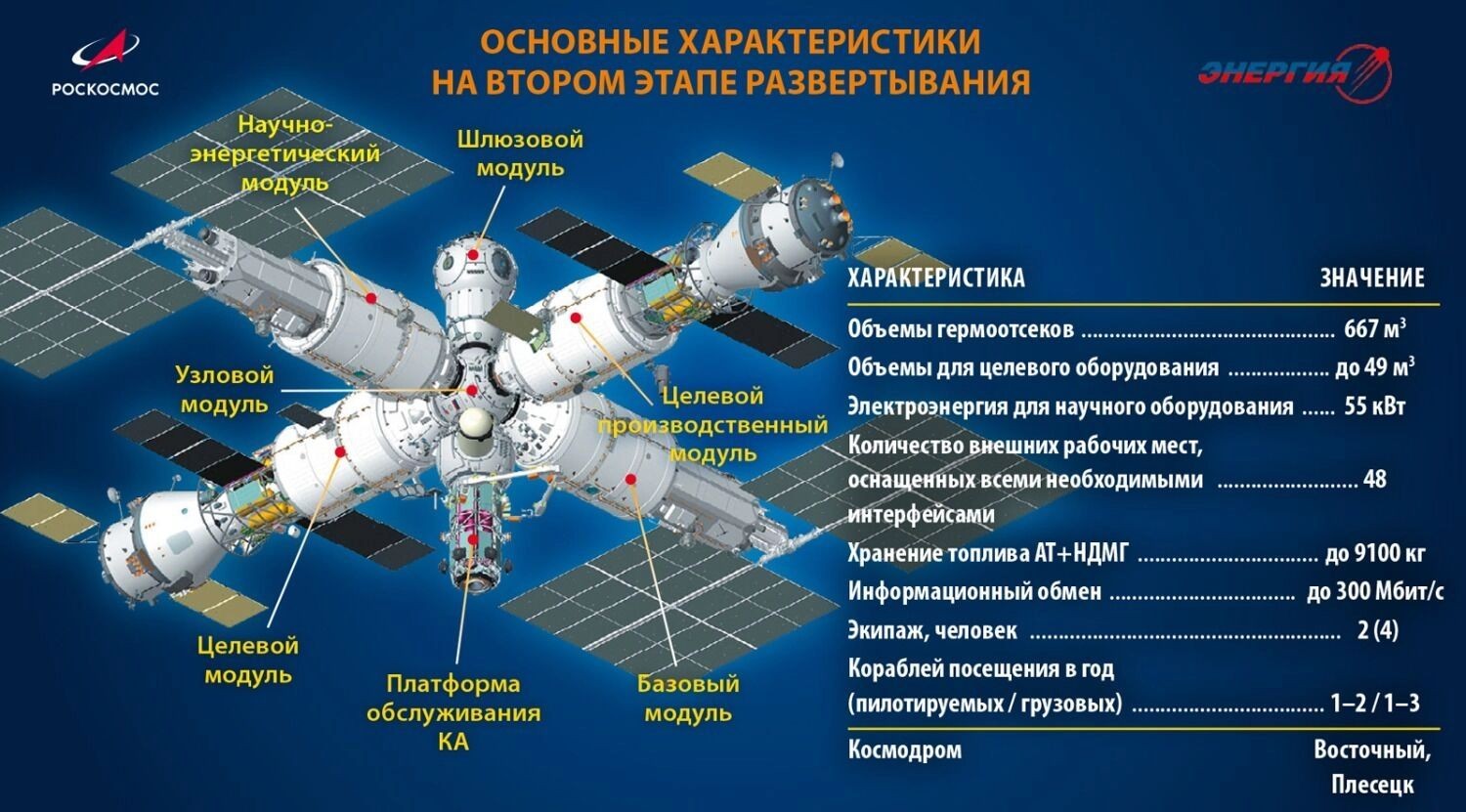
A report from Universe Today highlights that reusing ISS components represents a major change in Roscosmos’ approach. According to a recent statement from Oleg Orlov, director of the Institute of Biomedical Problems at the Russian Academy of Sciences (RAS), this change reflects financial challenges and geopolitical realities Russia currently faces.
Many of the ISS modules, especially those of Russian origin, are aging and may struggle with continued operation. While recycling these modules might be perceived as a budget-friendly strategy, experts express doubts over the practicality of extending the lifespan of these old systems.
Challenges Due to Aging Infrastructure
The idea of reusing ISS modules raises substantial concerns regarding the physical state of these components. Maria Sokolova from New Izvestia notes that some Russian modules have exceeded 25 years in orbit and suffered considerable degradation. For example, the Zarya module is 27 years old, with Zvezda also reaching advanced operational age.
These modules were originally engineered for much shorter service periods. Prolonged exposure to extreme temperature variations and cosmic radiation has further degraded their condition. However, facing limited funding and restricted options, Roscosmos may view reusing these modules as the most viable way to maintain a Russian presence in low Earth orbit.
- Categories:
- Space







0 comments
Sign in to Comment