
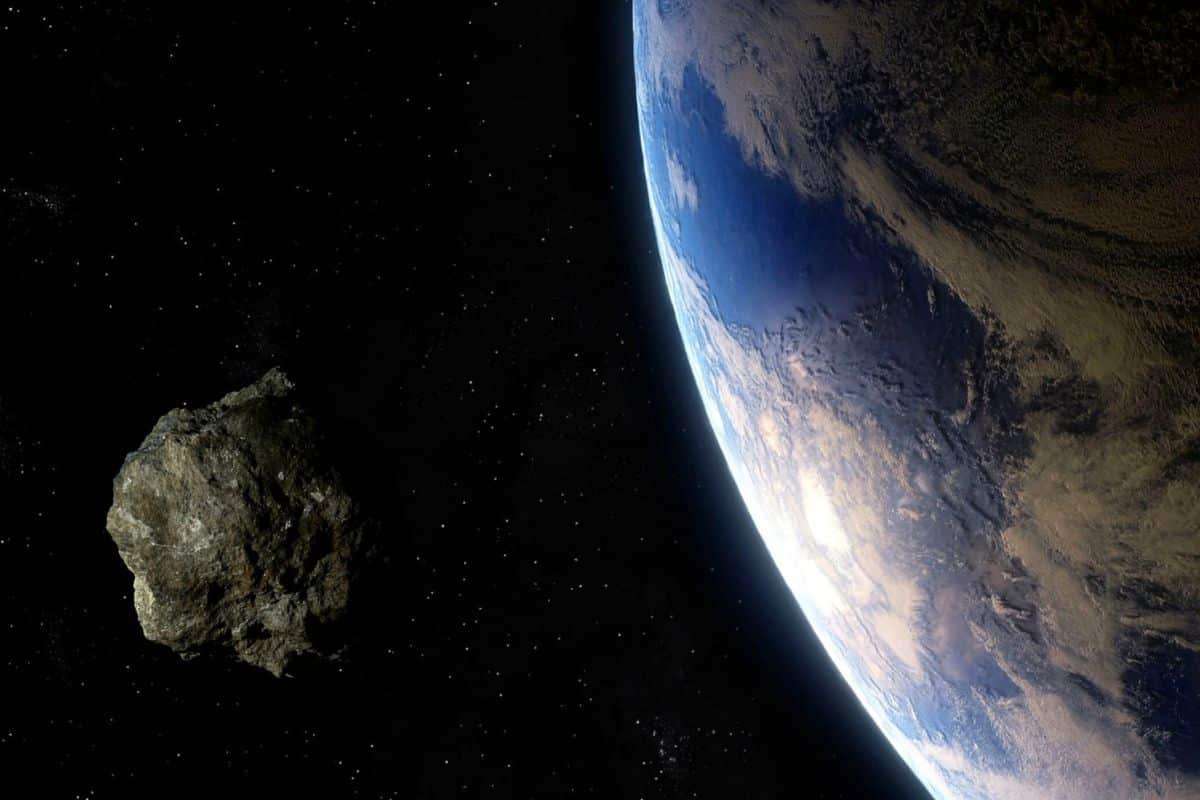
NASA’s James Webb Space Telescope has delivered unprecedented insights into asteroid 2024 YR4, a near-Earth object roughly 200 feet across once considered a potential impact threat. Though now deemed safe from collision, the asteroid revealed unexpected and intriguing features.
Reevaluating Asteroid 2024 YR4's Threat Level
Earlier in 2024, asteroid 2024 YR4 briefly alarmed scientists with projections suggesting a possible Earth impact in 2032.
This prompted intensified surveillance from NASA and worldwide observatories. However, by late February, refined measurements drastically lowered the chance of impact to nearly zero.
With the threat diminished, attention shifted to studying the object in detail using the Webb telescope, one of the most sophisticated instruments in space.
Led by Andy Rivkin from Johns Hopkins University’s Applied Physics Laboratory, researchers secured time via Webb’s Director’s Discretionary Time program to examine the asteroid’s dimensions, composition, and heat characteristics.

Smallest Space Rock Yet Captured by Webb Reveals Unexpected Traits
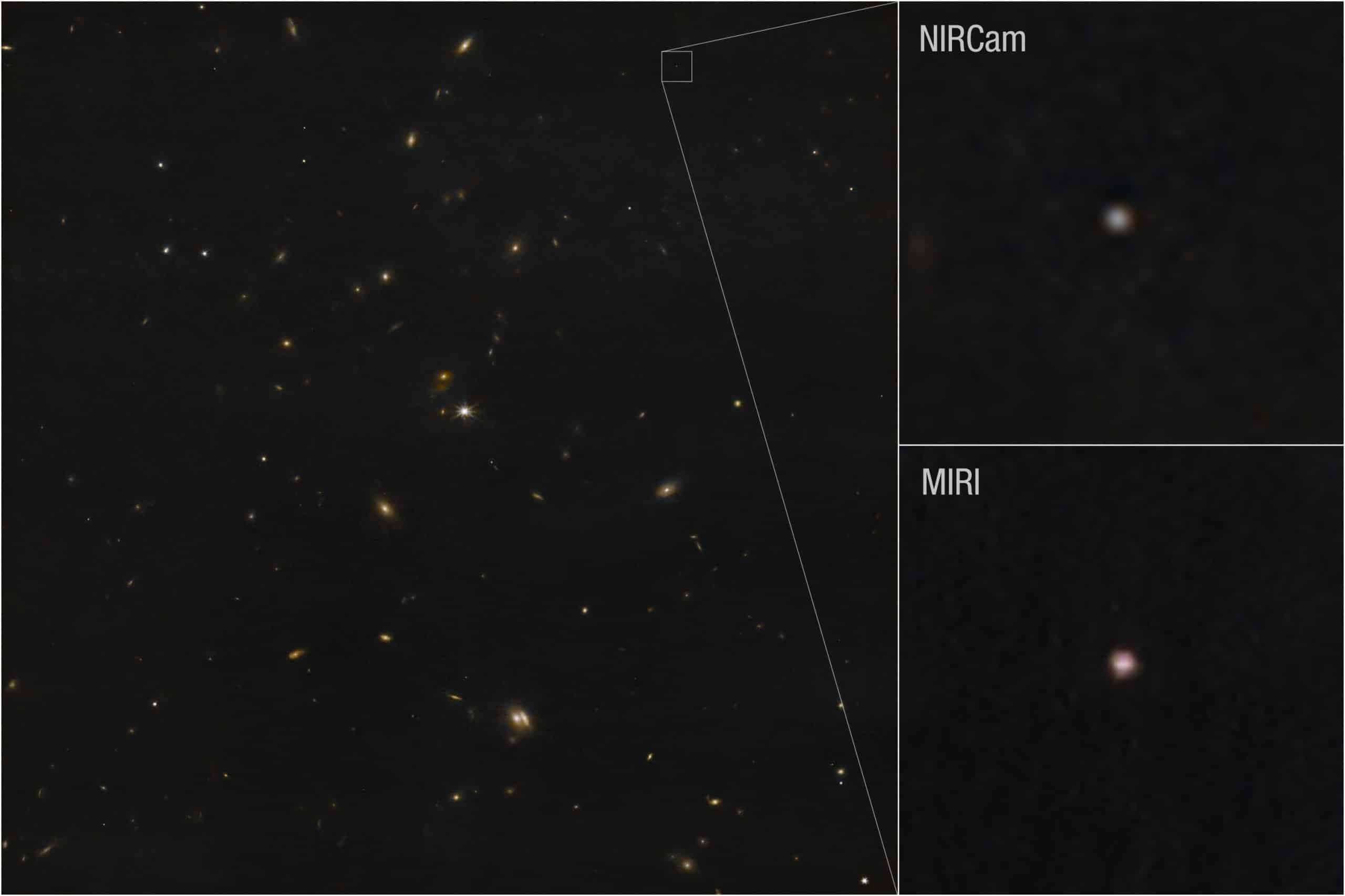
SciTechDaily reports that this asteroid, measuring around 60 meters wide—comparable to a mid-rise building—is the tiniest object Webb has studied so far. However, its uniqueness lies beyond sheer size. Observations from both Webb’s NIRCam (Near-Infrared Camera) and MIRI (Mid-Infrared Instrument) uncovered surprising surface properties.
The combined data set enabled precise measurement of the asteroid’s diameter and reflectivity, shedding light on the mineralogy and texture of its outer layer. The findings challenged existing paradigms about such small asteroids.
Rapid Rotation and Rocky Terrain Define 2024 YR4
One standout discovery was how quickly 2024 YR4’s surface alternates between heating and cooling phases—behavior that differs markedly from larger asteroids. This thermal pattern indicates the surface is largely devoid of the fine dust found on similar bodies. Rather, it is dominated by rough, fist-sized rocks likely shaped by its fast spin.
This swift rotation likely prevents loose particles from settling, resulting in a rugged, exposed surface. The researchers suggest this combination of high rotational speed and coarse exterior creates a distinctive environment rarely observed on asteroids of this scale.
Scientific and Planetary Defense Significance
While 2024 YR4 no longer threatens Earth, analyzing its characteristics provides valuable information for future risk assessments. With forthcoming detection technologies, the number of known near-Earth objects is expected to rise sharply. Webb’s success in characterizing YR4 sets an important example for using space observatories in planetary defense.
Combining Webb’s infrared observations with ground-based data refines orbit models and enhances understanding of small, fast-rotating asteroids. These objects, despite their size, may pose serious impact risks due to their high kinetic energy.
Preparing for Future Near-Earth Challenges
Webb’s observation of asteroid 2024 YR4 underscores the importance of detecting and studying small near-Earth bodies that often escape notice but could threaten Earth.
The results demonstrate how cutting-edge observatories like Webb enhance readiness for emergent space hazards. Although YR4 proved harmless, it’s a reminder that future dangers may arrive with little warning.
- Categories:
- Space








0 comments
Sign in to Comment