
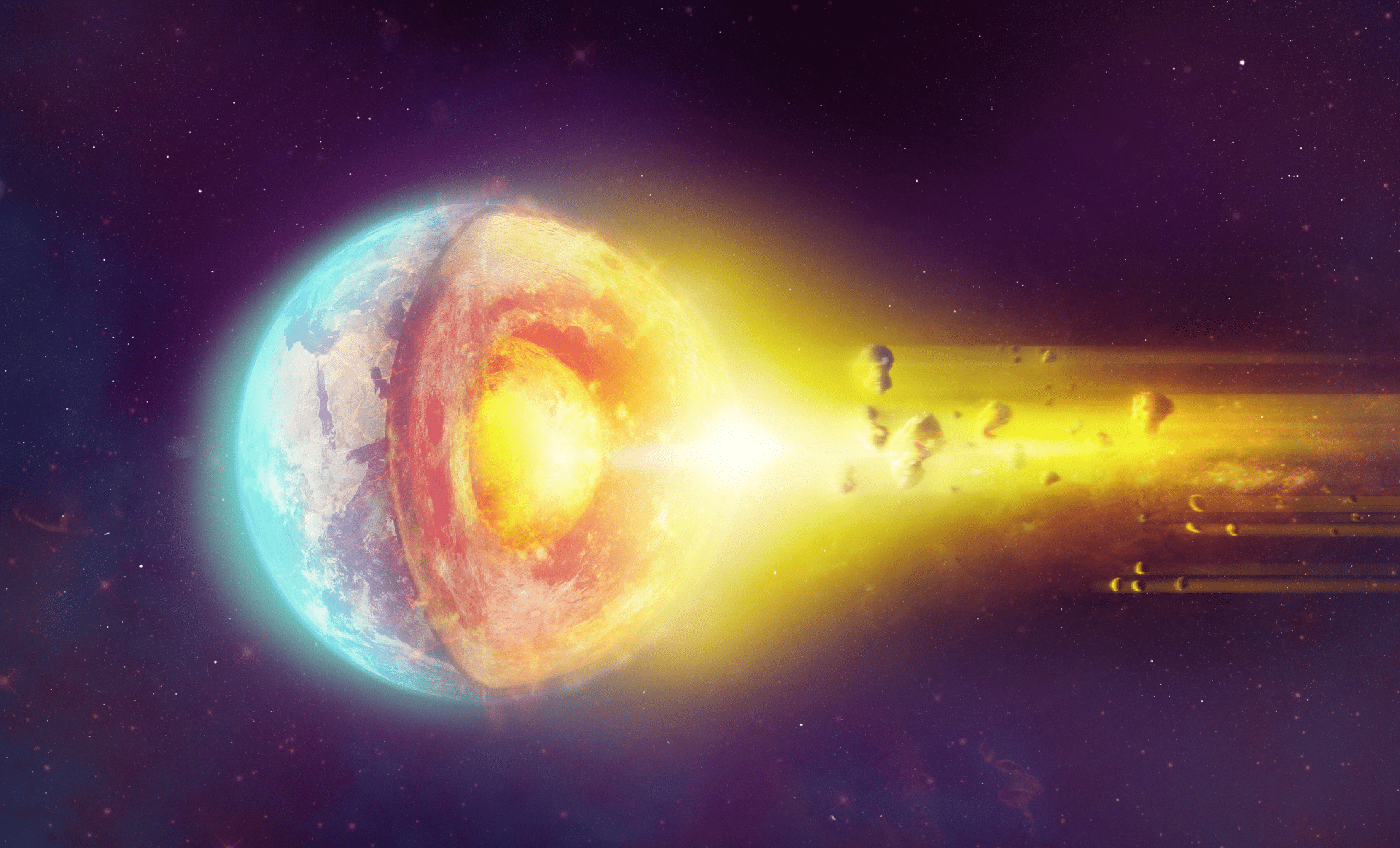
A groundbreaking Nature report has identified surprising activity occurring far beneath Earth’s surface, close to its core. Detected by satellites orbiting our planet, these findings point to complex dynamic processes thousands of kilometers underground, which scientists are only beginning to explore.
Tracking Earth’s Subsurface Fluctuations via Satellites
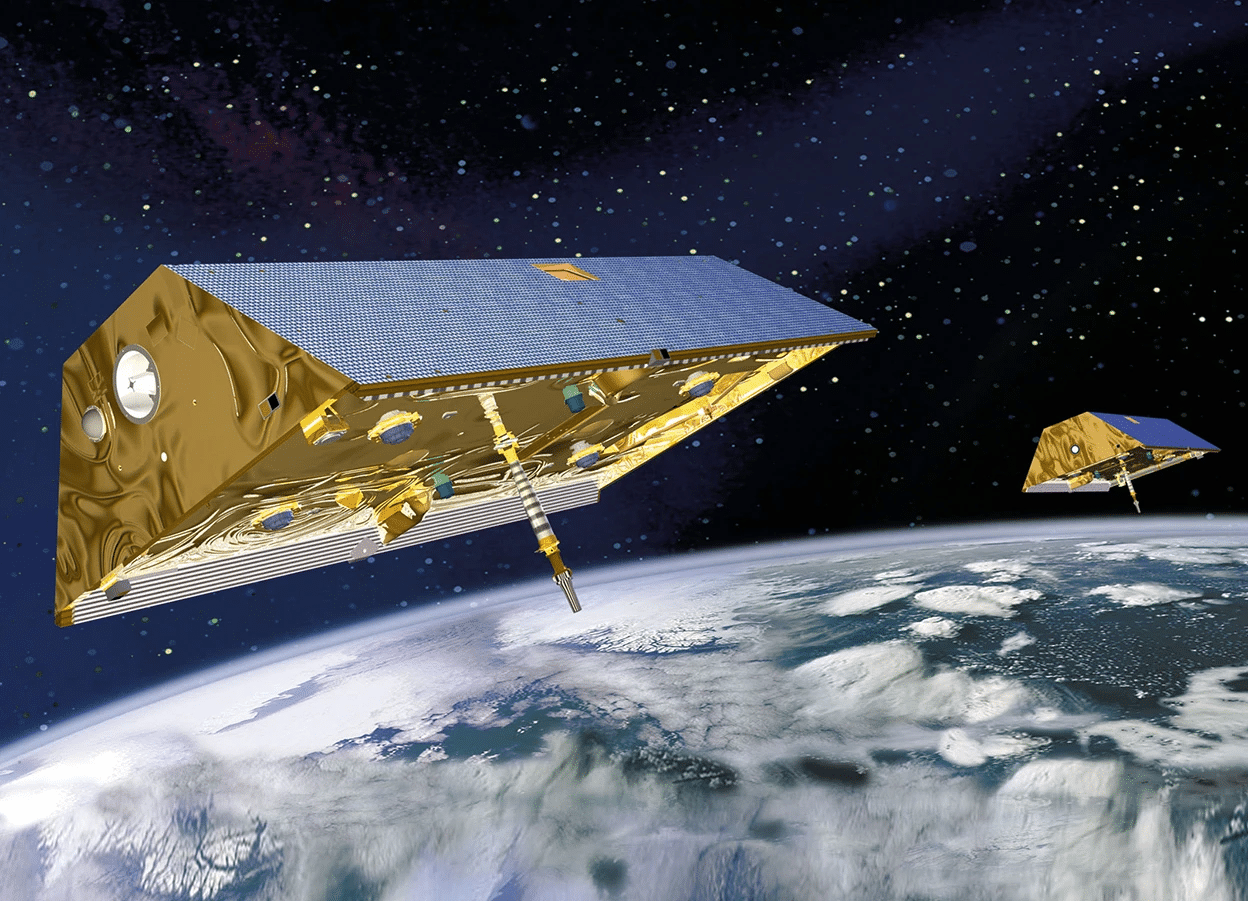
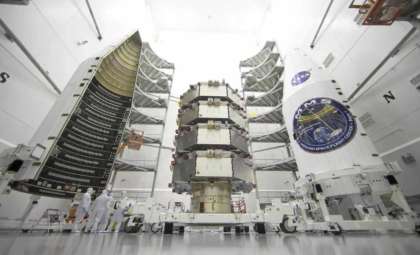
The Gravity Recovery and Climate Experiment (GRACE) satellites, developed collaboratively by the United States and Germany, have been essential in mapping changes in Earth’s water distribution. Flying in tandem, these satellites precisely measure tiny variations in the distance between them caused by shifts in Earth’s gravitational field. While traditionally used to monitor surface phenomena like groundwater loss and glacier retreat, newer investigations reveal that GRACE data also uncovers more profound geological movements.
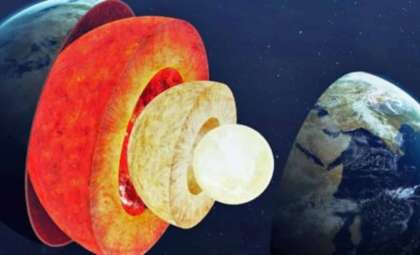
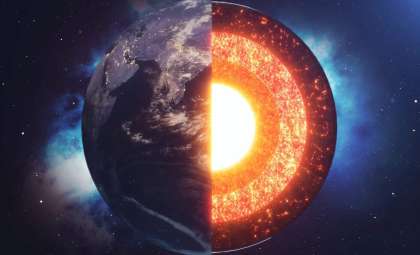
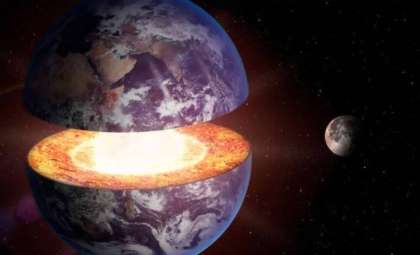
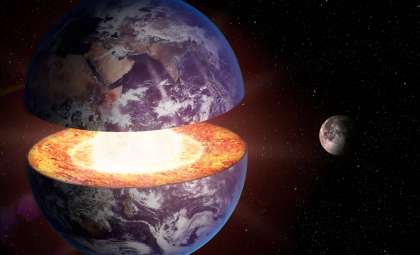
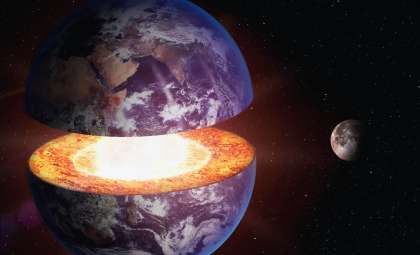
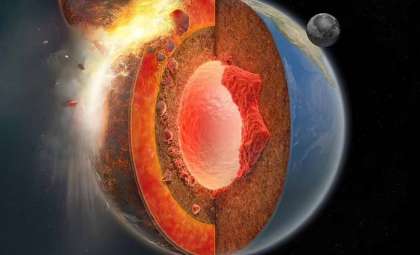
Data recorded between 2006 and 2008 revealed an unusual gravitational anomaly. The leading satellite moved away from the trailing one in a pattern unaccounted for by changes in surface water or ice masses. Instead, researchers localized this anomaly to the interface between the solid mantle and the fluid outer core, approximately 2,900 kilometers below the Earth’s surface. This insight showcases how space-based measurements can probe deep geological activity previously inaccessible.

Exploring the Core-Mantle Interface
The boundary separating the mantle and core, though hidden from direct view, is a critical component of Earth’s internal dynamics. Variations at this zone influence not only our planet’s magnetic field but also earthquake behavior and the circulation of mantle materials. Scientists such as Isabelle Panet and Charlotte Gaugne Gouranton suggest that mineral transformations occurring here increase rock density, impacting the local gravitational environment.
This subtle geological phenomenon reveals that Earth’s interior remains highly dynamic. These changes may affect the transfer of heat and matter from the core upward, with downstream effects on volcanic activity and long-term surface conditions. The GRACE findings offer a rare window into such deep Earth processes and open new paths for geophysical investigation.
The Significance of Deep Earth Movements for Science
Detecting mass redistribution in such inaccessible regions holds broad scientific significance. By observing interactions between the core and mantle, researchers can enhance understanding of earthquake origins. Moreover, knowledge about deep-Earth materials supports improved models of the geodynamo, the mechanism sustaining Earth’s protective magnetic shield.
This study highlights how even minimal gravitational fluctuations invisible on the surface can yield vital clues about our planet’s inner workings. Ongoing satellite monitoring promises to advance forecasts of geological phenomena and refine models of Earth’s evolving interior. These findings emphasize the importance of incorporating satellite gravity data into comprehensive Earth science research.
- Categories:
- News




0 comments
Sign in to Comment